
 +86-18343147735







0102030405
Your Complete Guide to 10 and 14 Parameter Urinalysis Strips
2025-10-29
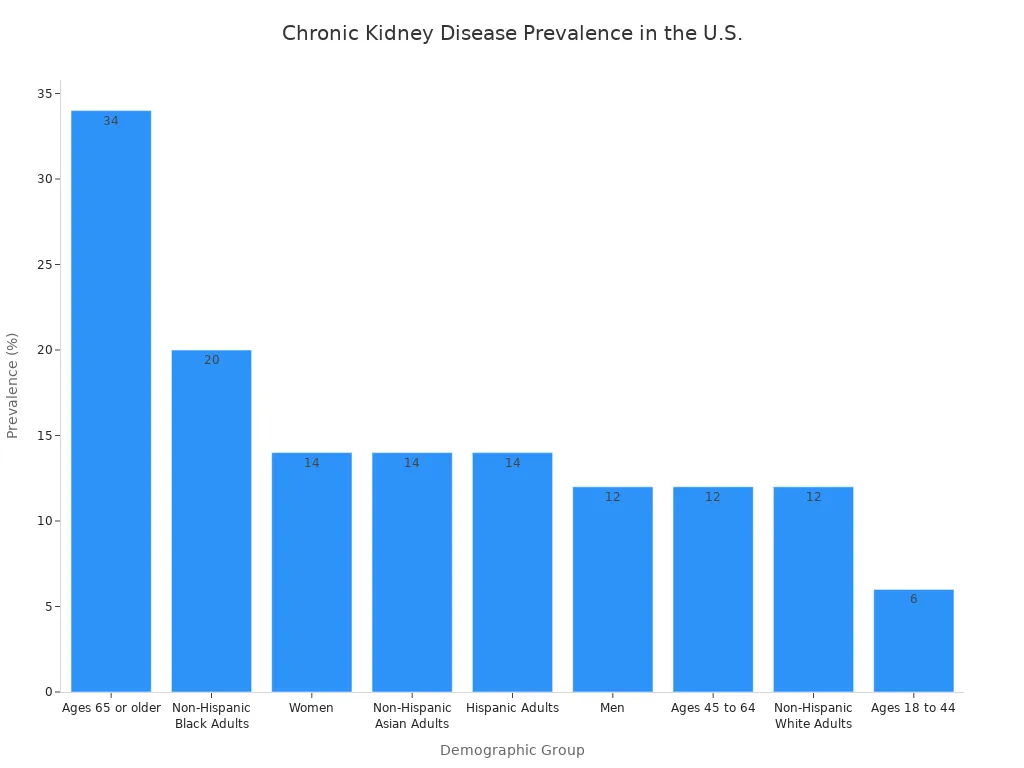
You can monitor your general wellness with a simple urine test. Basic strips check 10 health markers. However, you may need 14 Parameter Urine Test Strips for Urinalysis Tests for Ketone Calcuim to detect early kidney issues. These advanced Strips for Urinalysis Tests for Ketone Calcuim are crucial given the widespread prevalence of chronic kidney disease.
Key Takeaways
- A 10-parameter strip checks 10 basic health markers. It helps you monitor general wellness and diet.
- A 14-parameter strip adds 4 tests. These extra tests give a deeper look at kidney health. They are important if you have risks for kidney disease.
- These strips help you screen for health issues. Always see a doctor for a diagnosis and treatment.
The 10 Foundational Health Indicators
A 10-parameter strip gives you a broad overview of your health. These tests check for key markers related to your metabolism, kidney function, and potential infections.
Leukocytes and Nitrite
You can use these two markers to check for signs of a urinary tract infection (UTI). Leukocytes are white blood cells that fight infection. Nitrites appear when certain bacteria are present.
| Parameter | Normal Range | Clinical Significance (Positive Result) |
|---|---|---|
| Leukocytes | Absent | Signals a urinary tract or bladder infection. |
| Nitrite | Negative | Suggests bacteria, often from a UTI. |
Urobilinogen and Bilirubin
These substances are related to your liver function and red blood cell health. Elevated levels can point to underlying health conditions. Issues that may raise these levels include:
- Liver disease (cirrhosis, hepatitis)
- Blood cell abnormalities (hemolytic anemia)
- Bile duct blockages
- Congestive heart failure
Protein
Finding protein in your Urine is known as proteinuria. While temporary causes include intense exercise or fever, persistent protein can signal kidney problems. If you notice your urine looks foamy or bubbly, it may be a sign of high protein levels.
pH and Specific Gravity
These tests measure your urine's acidity (pH) and concentration (specific gravity). They offer clues about your hydration status and how well your kidneys are balancing water and waste.
Note: High specific gravity can suggest dehydration, while a low pH (acidic urine) is often linked to high-protein diets or diabetes.
Blood
Detecting blood in your urine (hematuria) is a sign that you should consult a doctor. Many conditions can cause it, such as:
- Urinary tract or kidney infections
- Kidney or bladder stones
- Kidney disease
- Enlarged prostate
Ketone and Glucose
These tests are especially useful for managing diabetes or following a ketogenic diet. Ketones show your body is burning fat for energy. While expected on a keto diet, high ketone levels combined with high glucose can be a warning sign for a serious condition called diabetic ketoacidosis (DKA).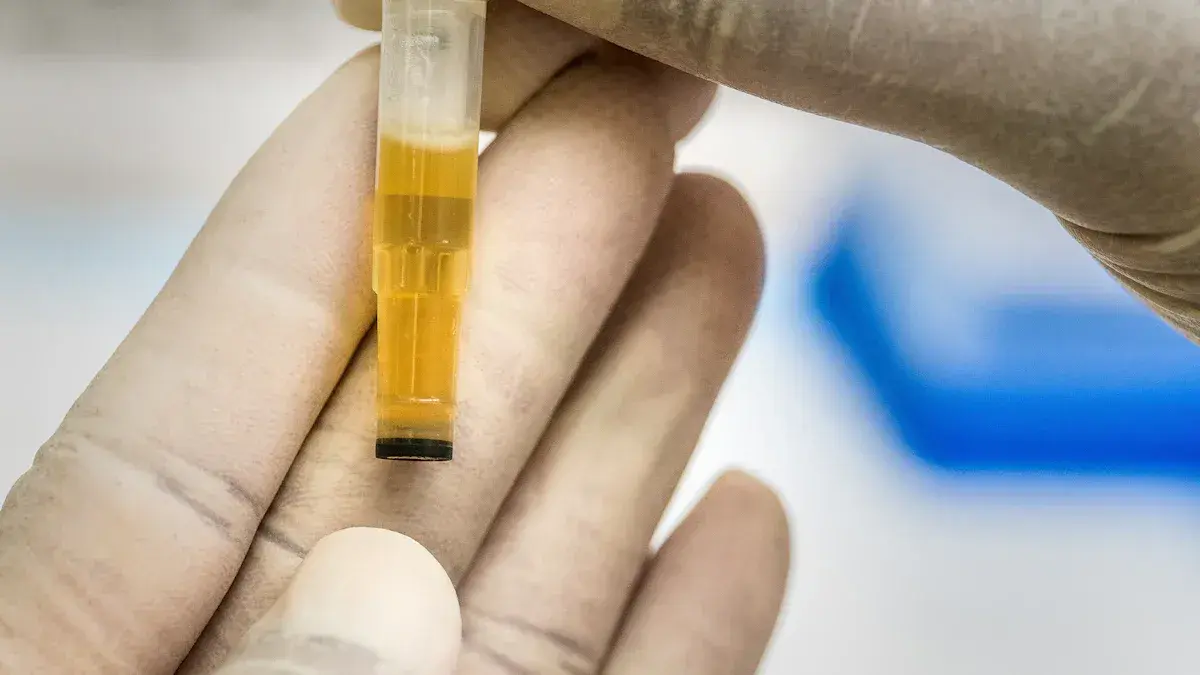
The 4 Advanced Tests on a 14-Parameter Strip
A 14-parameter strip includes the 10 foundational tests plus four specialized markers. These additions provide a deeper look into your kidney health and can help identify potential issues with test accuracy.
Ascorbic Acid (Vitamin C)
You might wonder why a urine strip tests for Vitamin C. This test does not check for a deficiency. Instead, it acts as a quality control check for your other results. High levels of ascorbic acid in your urine can interfere with the accuracy of certain test pads, especially Glucose And Blood.
A study found ascorbic acid in nearly 23% of routine urine samples. This presence caused a high rate of false-negative results for blood (hemoglobin) and glucose. Even a small 100 mg dose of Vitamin C or drinking Fruit juice can be enough to affect the test outcome.
Important Note: A positive result for ascorbic acid means you should be cautious when interpreting your glucose and blood readings. They might appear negative even if glucose or blood is actually present in your urine.
Creatinine
Your body produces creatinine as a waste product from normal muscle wear and tear. Your kidneys filter it out into your urine. The creatinine test on a urine strip helps standardize your results by measuring your urine's concentration. This is especially important for interpreting the microalbumin test.
Measuring urine creatinine is clinically important for several reasons:
- It is essential for calculating the urine albumin-to-creatinine ratio (UACR). This ratio helps doctors detect early kidney damage.
- It provides a more precise measurement of albumin, a key indicator of kidney health.
- Doctors can compare blood and urine creatinine levels to estimate how well your kidneys are filtering waste.
Normal creatinine levels can vary based on your muscle mass, age, sex, and hydration.
| Age Group | Sex | Normal Creatinine Range (mg/dL) |
|---|---|---|
| >12 years | Male | 20–370 |
| >12 years | Female | 20–320 |
Calcium
You can find calcium in your urine, and its level offers clues about your kidney health and diet. Your kidneys work to filter excess calcium from your blood. An unusually high amount of calcium in your urine can contribute to the formation of painful kidney stones.
This condition is sometimes linked to an overactive parathyroid gland (hyperparathyroidism). These glands release a hormone that controls calcium. Too much of this hormone raises blood calcium levels. Your kidneys then filter this extra calcium, which can crystallize into stones. Using 14 Parameter Urine Test Strips for Urinalysis Tests for Ketone Calcuim helps you monitor this marker.
Several dietary factors can also influence your urine calcium levels:
- A high-sodium diet increases the amount of calcium your body loses through urine.
- Your protein and calcium intake can significantly change urine calcium levels.
- Vitamin D helps your body absorb calcium, so a deficiency can affect levels.
- Foods high in oxalates, like spinach and nuts, can bind with calcium and contribute to stone formation.
Microalbumin
Microalbumin is a crucial early warning sign for kidney disease. Albumin is a small protein normally kept in your blood by healthy kidneys. When your kidneys are damaged, they start to leak small amounts of albumin into your urine. This is called microalbuminuria.
This marker is more sensitive than the standard protein test. It can detect tiny amounts of albumin that regular dipsticks miss. This allows you to spot the earliest signs of damage to the kidney's filtering units (glomeruli). Detecting microalbuminuria is especially important if you have diabetes or high blood pressure, as these conditions increase your risk for kidney disease.
Doctors diagnose microalbuminuria using the albumin-to-creatinine ratio (ACR). An ACR between 30-300 µg/mg is a sign of microalbuminuria. Because levels can vary, a diagnosis often requires two out of three abnormal test results.
| Category | Spot Collection (µg/mg creatinine) |
|---|---|
| Normal | Less than 30 |
| Microalbuminuria | 30–300 |
| Clinical albuminuria | More than 300 |
Using 14 Parameter Urine Test Strips for Urinalysis Tests for Ketone Calcuim
The four extra tests on 14 Parameter Urine Test Strips for Urinalysis Tests for Ketone Calcuim give you a more detailed picture of your kidney health. These markers work together to provide early warnings and ensure your results are accurate.
Why Compare Protein to Creatinine?
You compare protein to creatinine to get a more reliable result. Your urine concentration changes with how much water you drink. Creatinine measurement helps standardize the test. This creates a protein-to-creatinine ratio (PCR). This ratio gives a stable measurement of protein loss. A calculated ratio is a strong tool for predicting kidney failure risk.
Why Test for Microalbumin?
You test for microalbumin to find the earliest signs of kidney damage. This test is more sensitive than the standard protein test. It can detect tiny amounts of a protein called albumin. In some studies, over 37% of people with type II diabetes have microalbuminuria.
Early detection is critical. It signals an increased risk for cardiovascular events like heart attacks and strokes. Finding it early allows you to start treatments that can protect your heart and kidneys.
Why Check for Calcium?
You check for calcium to help assess your risk for kidney stones. High levels of calcium in your urine can lead to calcium oxalate stones, the most common type. Several factors increase your risk for developing these stones:
- A family history of kidney stones
- Not drinking enough fluids
- A diet high in sodium and protein
Using 14 Parameter Urine Test Strips for Urinalysis Tests for Ketone Calcuim helps you monitor your urinary calcium.
Why Monitor Ascorbic Acid?
You monitor ascorbic acid to check the accuracy of your other results. This pad is a quality control measure. High levels of Vitamin C (ascorbic acid) in your urine can cause false-negative results for the blood and glucose pads. This means you could have an issue that the strip does not show. The 14 Parameter Urine Test Strips for Urinalysis Tests for Ketone Calcuim include this check so you can trust your readings.
Decision Guide: Which Strip Is Right for You?
Choosing the right urinalysis strip depends on your personal health goals and risk factors. You can select the best tool for your needs by understanding what each strip offers.
Choose a 10-Parameter Strip For
You should choose a 10-parameter strip for routine health monitoring. It gives you a broad overview of your wellness. You can detect a wide range of abnormalities with it. This includes metabolic or systemic diseases that may not show obvious symptoms yet. This information allows you to take proactive steps toward better health.
This strip is especially useful if you are tracking specific dietary or wellness goals. The foundational markers help you monitor progress and stay on track.
| Parameter | You Can Monitor This For... |
|---|---|
| Ketones & Glucose | Managing diabetes or a ketogenic diet. |
| Protein | General kidney and urinary tract health. |
| Specific Gravity | Your daily hydration status. |
| Urobilinogen & Bilirubin | Basic liver function. |
| Leukocytes & Nitrite | Signs of a possible urinary tract infection. |
| pH | Your body's acid-base balance. |
| Blood | The presence of hidden blood in your urine. |
A 10-parameter strip is an excellent choice for general wellness checks, diet management, and monitoring your hydration.
Choose a 14-Parameter Strip For
You need a 14-parameter strip for a deeper analysis of your kidney health. This is the right choice if you have specific risk factors for chronic kidney disease (CKD). Health organizations like the National Kidney Foundation (NKF) promote early screening through initiatives like KDOQI (Kidney Disease Outcomes Quality Initiative). Their guidelines recommend regular screening for high-risk individuals.
You are in a high-risk group and should consider more detailed testing if you have:
- Diabetes
- Hypertension (high blood pressure)
- Autoimmune diseases
- A family history of kidney disease
- A personal history of acute kidney failure
|The 14 Parameter Urine Test Strips for Urinalysis Tests for Ketone Calcuim align with these screening recommendations by testing for microalbumin and creatinine. These markers help you detect the earliest signs of kidney damage, often years before symptoms appear.
The NKF's CKDintercept program highlights a critical fact: only 10% of people with chronic kidney disease know they have it. Early detection is your best defense.
If you want the most comprehensive at-home health picture or have any risk factors for kidney disease, the 14-parameter strip offers valuable peace of mind and crucial early warnings.
A 10-parameter strip is your go-to for routine wellness checks and diet monitoring. A 14-parameter strip provides critical early warnings for kidney disease, making it a wise choice for those with risk factors. Your decision should align with your personal health profile and goals.
⚠️ Important: Always consult a healthcare professional to understand your results. They can connect the test to your health and recommend the right next steps for diagnosis and treatment.