
 +86-18343147735



0102030405
Understand in 10 Minutes: Home Test vs. Lab Test — What Really Sets Them Apart
2025-06-11
🧪 At-Home Testing ≠ Unreliable
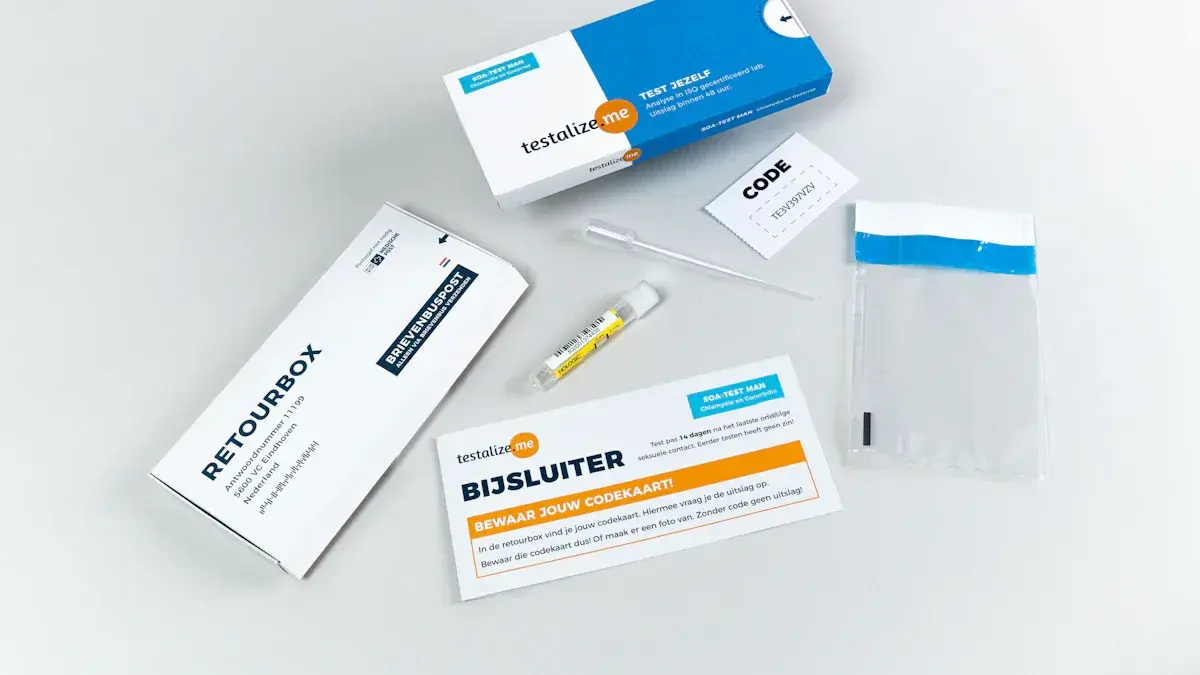
Many assume home testing is “less accurate” or “unprofessional.” In fact, certified home-use kits rely on the same biological principles as lab-based tests—only the scenario, interpretation, and detection depth vary.
🧬 The Same Science Behind It
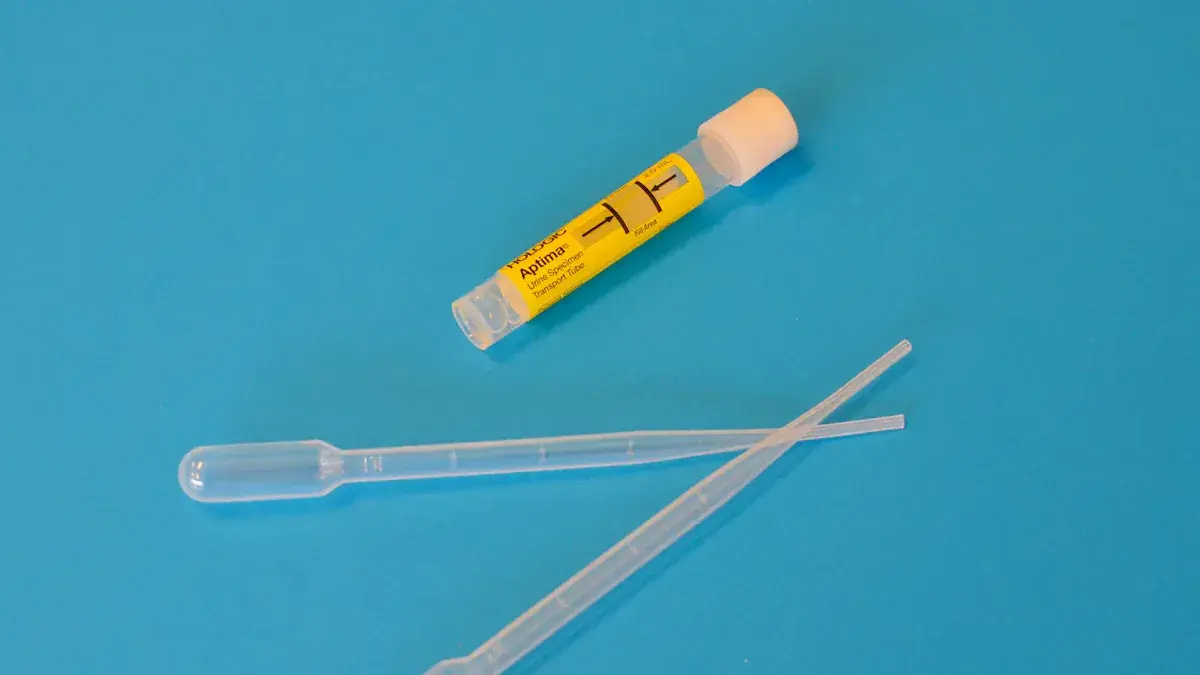
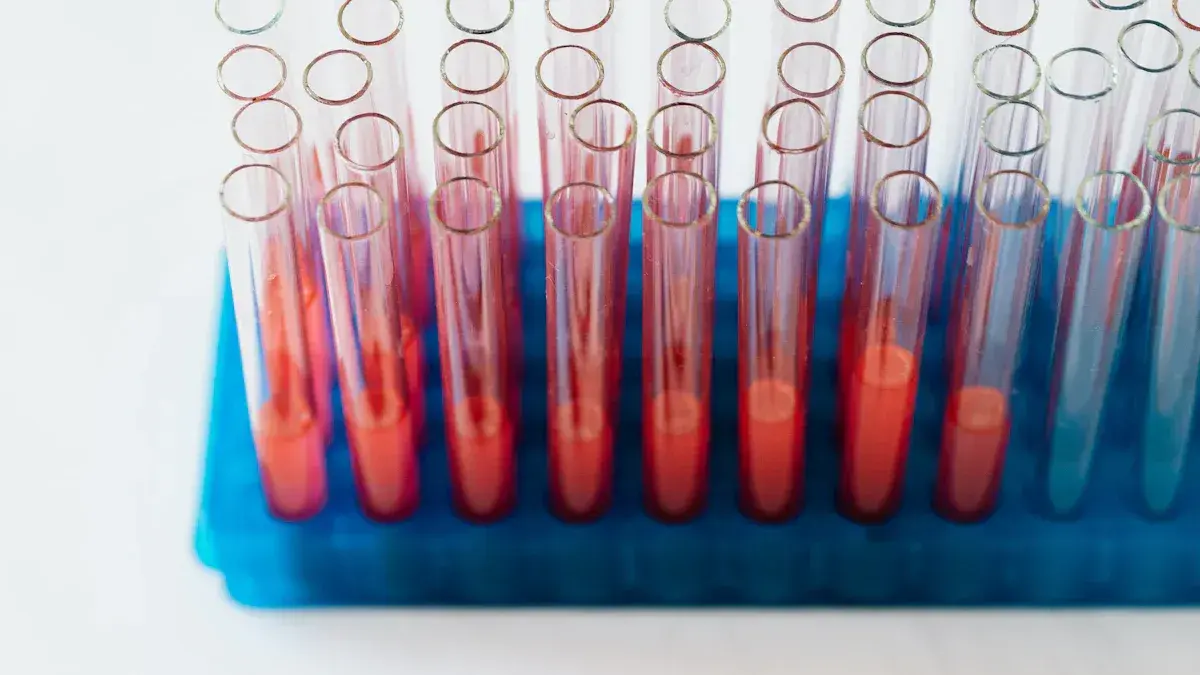
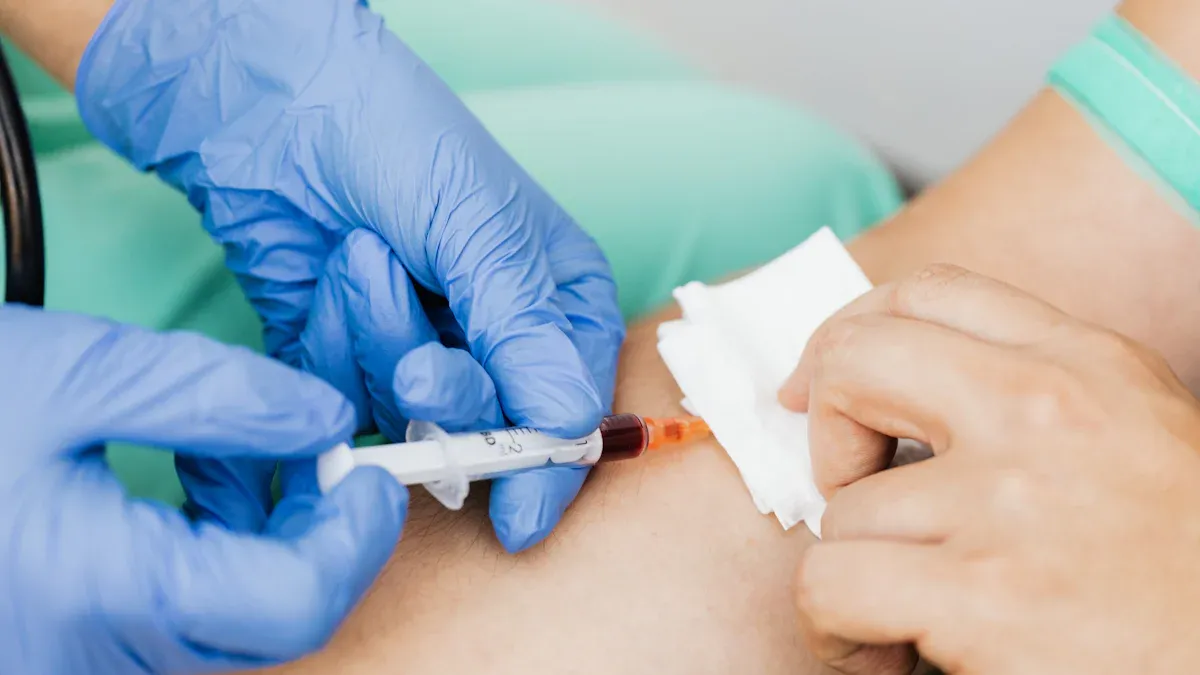
Home tests and lab tests are both based on immunochromatography, using antibodies to detect specific molecules in Urine, blood, or saliva. Common technologies include:
Colloidal Gold
Dry Chemistry
Fluorescence Assay
ELISA (Enzyme-Linked Immunosorbent Assay)
📊 One Table to See the Difference
Feature Home Test (POCT) Lab Test (Clinical)
Technology Immunochromatography / Dry Chemistry Immunoassay, Mass Spec, Molecular
Accuracy 90–98% (FDA-cleared kits) >99% (High-sensitivity methods)
Operation Self-use + visual readout Professional + instrument-based
Time to Result 5–15 minutes Hours to several days
Cost Low (USD $1–10/test) High (USD $20–100+/test)
Use Scenarios Home, school, workplace, pharmacy Hospitals, labs, research centers
Portability ✅ ❌
🧠 Who Should Use Home Testing?
Parents concerned about youth substance use
Employers screening new hires
Chronic disease patients tracking urine sugar, protein, leukocytes, pH
Pet owners investigating strange behavior
General users checking food or water quality at home
🏛 How Does the FDA Regulate Home Tests?
In the U.S., at-home test kits must:
Pass 510(k) clearance or receive CLIA-waived status
Demonstrate equivalent or near-equivalent accuracy to clinical methods
Be proven safe and easy to use by laypersons
Once approved, these devices may be sold as legal OTC (over-the-counter) products nationwide.
✅ Final Word: Home Tests Don’t Replace Labs — They Complement Them
Home testing acts like a personal health radar. It helps screen for issues before you even think about going to the lab. With certified tools, a 10-minute test can offer peace of mind, faster action, and smarter choices.
Science doesn’t only live in hospitals.
It can live in your medicine cabinet, too.