
 +86-18343147735







0102030405
reclassifying hepatitis B and syphilis tests
2025-06-24
《FDA Advances Home‑Use Diagnostic Landscape: Reclassification & Support for POCT》-style report on the FDA’s recent POCT‑focused regulatory shifts — especially reclassifying hepatitis B and syphilis tests — highlighting implications for patients, manufacturers, and future market trends:
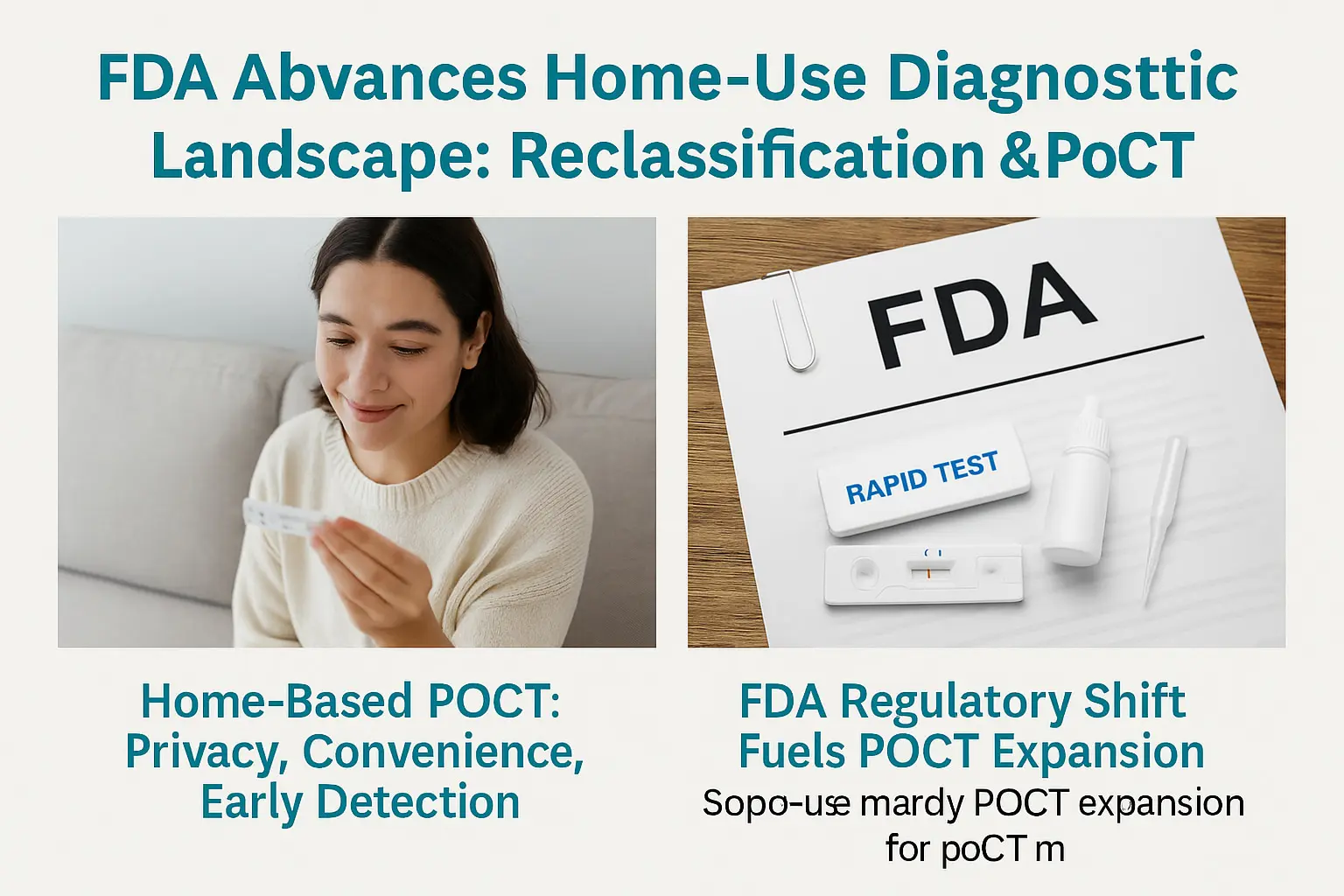
🧬 FDA Advances Home‑Use Diagnostic Landscape: Reclassification & Support for POCT
In June 2024, the FDA proposed down‑classifying several hepatitis B virus (HBV) assays — including antigen, antibody, and nucleic acid-based tests — from Class III to Class II, permitting streamlined 510(k) premarket notifications instead of full PMA submissions . This marks a major acknowledgment of the strong safety record and growing viability of Point‑of‑Care Testing (POCT).
⚠ Why It Matters:
Lower regulatory barriers: Class II certification significantly reduces development timelines and costs, enabling faster market entry.
Special controls in place: FDA introduced labeling guidance and design standards to ensure quality, mitigate risks of false results, and support patient safety
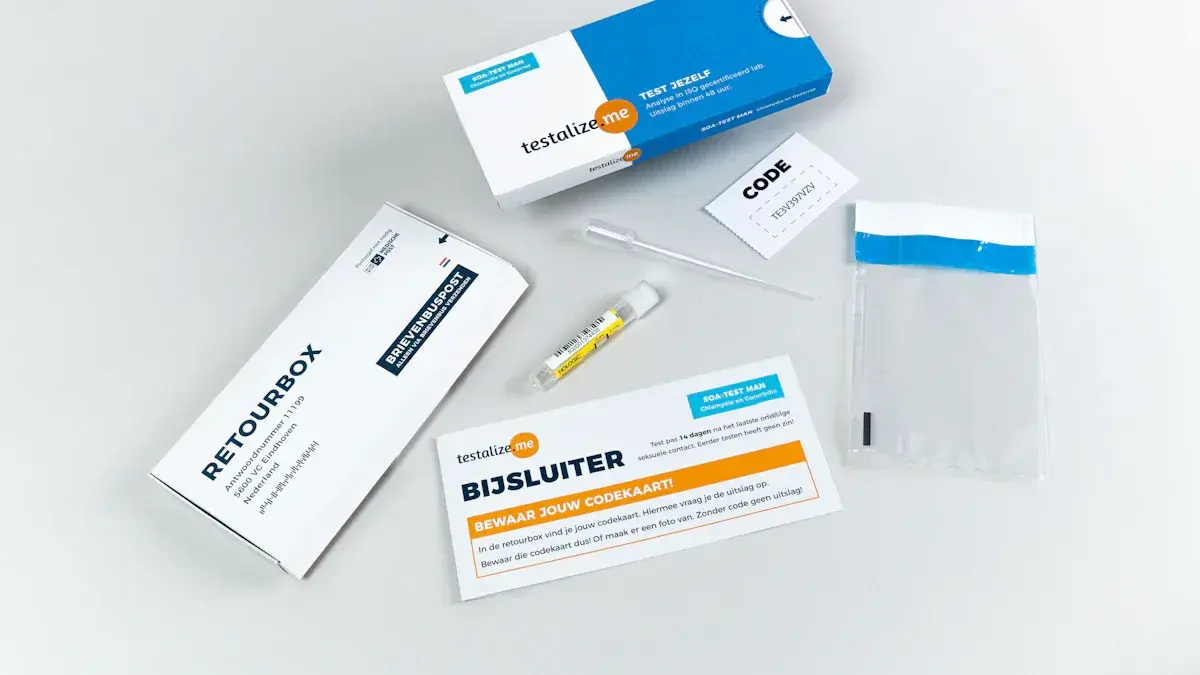
Patient empowerment: With diseases like hepatitis B & syphilis being reclassified, consumer-ready home tests become viable, offering privacy, convenience, and improved screening access, especially in underserved communities .
🏠 Home‑Test Milestones:
Syphilis: In August 2024, NOWDiagnostics received FDA De Novo authorisation for its First‑To‑Know Syphilis Test, the first OTC, at‑home syphilis antibody test (~15 mins)
STIs: In March 2025, Visby Medical launched the first completely home-use combined chlamydia, gonorrhea, and trichomoniasis assay (~30 mins), opening the 510(k) path for other STI POCT tools
📈 Market & Clinical Impact
Trend toward Home Diagnostics: These regulatory changes reflect FDA’s increasing support for decentralized healthcare, enabling early detection outside clinical settings.
Manufacturer incentives:
style report on the FDA’s recent POCT‑focused regulatory shifts —
Broader reach: Class II allows expansion of test use cases (professional + home) and increases commercial appeal.
Patient benefits:
Timely screening leads to earlier diagnoses and treatment.
Privacy and autonomy encourage people who might avoid clinical testing.
Reduced healthcare burden through self‑testing, particularly in remote or underserved regions.
Outlook & Opportunities
Pipeline acceleration: Analogous reclassifications likely for other blood-borne or antigen/antibody-based assays (e.g., HIV, HCV).
Policy momentum: FDA’s broader initiative to shift more IVDs from Class III to II suggests sustained support for lab-quality home and POCT diagnostics
.
Commercial uptick:Expect more Rapid Tests to emerge in U.S. pharmacies and online platforms, including for viruses, chronic conditions, metabolic markers, and lifestyle monitoring.
🧾 Summary Table
Focus Area FDA Action Impact
HBV Tests Class III → Class II, 510(k) Faster approval, greater access
Syphilis First OTC test authorised Home-based screening enabled
STI Panel Combined home-use test approved Multi-disease POCT feasible
FDA Strategy Broader Class II reclassification Expansion of decentralizeD Diagnostics
✅ Final Thoughts
These FDA moves—through reclassification efforts and approvals of home-use assays—serve as a clear signal: POCT and home diagnostics are a priority area. Reduced regulatory friction, backed by special controls, will empower manufacturers to innovate and bring safe, reliable, patient-facing tests to market more swiftly.