
 +86-18343147735







0102030405
Innovative Approaches to A1 A2 Milk Testing Beyond Genetics
2025-09-22
You want a quick and reliable Milk Test, right? You can skip genetics and go straight to the source. Tools like ELISA, mass spectrometry, and even an A1 A2 Milk Test Kit let you spot beta-casein types in your Milk. These options make testing simple and direct.
Key Takeaways
- Skip genetic testing for faster results. Use methods like ELISA or lateral flow immunoassays to test milk directly.
- Choose the right testing method based on your needs. Consider speed, accuracy, cost, and ease of use when selecting a milk testing approach.
- A1 A2 Milk Test Kits offer a simple solution for home testing. They provide quick results without needing special training or equipment.
Why Look Beyond Genetic Testing?
Limitations of Genetic Testing
You might think genetic testing gives you all the answers, but it often slows you down. If you want to check your milk for A1 or A2 beta-casein, you need to test every cow in your herd. That takes a lot of time and effort. You have to collect samples, prepare them, and then wait for results. This process can drag on, especially if you run a large dairy farm. You probably want results fast, not after days of waiting.
Genetic testing also means you spend more money and resources. You need special equipment and trained staff. For many producers, this just isn’t practical. If you want to keep up with demand and make sure your milk meets quality standards, you need a quicker way.
- Testing every cow takes too long.
- Sample preparation and data processing slow things down.
- Large-scale operations find genetic testing inefficient.
Demand for Direct Milk Analysis
You’re not alone if you want a better solution. More people now ask for A2 milk, and you need to prove your product matches their expectations. Direct milk analysis lets you test the milk itself, not just the cows. This approach helps you confirm your claims and avoid mistakes or fraud.
You can use these methods right at the dairy or even on-site. You get results faster, and you don’t have to worry about missing something in the genetic data. Direct testing gives you confidence that your milk is exactly what you say it is. That’s why so many producers and consumers prefer these innovative options.
ELISA-Based Assays

How ELISA Detects A1 and A2 Proteins
You might wonder how ELISA works for milk testing. ELISA stands for Enzyme-Linked Immunosorbent Assay. This test uses special antibodies that stick only to A1 or A2 beta-casein proteins in your milk. When you add your milk sample, the antibodies grab onto the target protein. If the protein is there, you see a color change. The stronger the color, the more of that protein you have. It’s a bit like a lock and key—only the right protein fits.
Advantages of ELISA Methods
ELISA gives you fast and reliable results. You don’t need fancy equipment or a big lab. You can use it for routine checks, even if you have lots of samples. The test is sensitive, so you can spot tiny amounts of A2 protein—down to just 2 nanograms per milliliter. ELISA also avoids mistakes from cross-reactivity, so you know you’re getting the right answer.
ELISA is a favorite for many producers because it balances speed, cost, and accuracy.
Here’s a quick look at how ELISA performs:
| Parameter | Value |
|---|---|
| Specificity | No cross-reactivity with A1 |
| Sensitivity | Minimum detection of 2 ng/mL A2 |
Limitations and Considerations
ELISA does have a few limits. If the milk proteins break down, the test might not work well. Sometimes, you might see cross-reactivity, but this is rare with good kits. You also need to follow the steps carefully to avoid mistakes. When you compare ELISA to other methods, you see it stands out for routine screening, but it may not work for every situation.
| Method | Advantages | Limitations |
|---|---|---|
| ELISA | High sensitivity and specificity; fast; suitable for routine screening | Cross-reactivity; ineffective if target proteins are degraded |
| Mass Spectrometry | High multiplexing and quantification capability; species-level resolution | High cost; requires advanced instruments, skilled personnel, and complex data processing |
| Spectroscopic Methods | Rapid; non-destructive; high throughput; some methods are portable | Dependent on large spectral databases; expensive for high-resolution platforms |
You get a great mix of speed, accuracy, and cost with ELISA, but always check if it fits your needs.
LC-MS/MS and Mass Spectrometry
How Mass Spectrometry Identifies Beta-Casein Variants
You might wonder how mass spectrometry can tell the difference between A1 and A2 proteins in milk. The process starts with breaking down the milk proteins into smaller pieces called peptides. You use an enzyme to do this. Then, the LC-MS/MS machine looks for special peptides that only come from A1 or A2 beta-casein. Each type has its own “fingerprint.” The machine measures the weight and pattern of these peptides. This way, you can spot even tiny amounts of A1 or A2 in your sample.
Here’s a quick look at how sensitive LC-MS/MS can be:
| Variant | Detection Limit (LOD) | Quantification Limit (LOQ) |
|---|---|---|
| A1 | 0.8 µg/mL | 3.0 µg/mL |
| A2 | 1.2 µg/mL | 10.0 µg/mL |
Benefits of LC-MS/MS for Milk Testing
You get some big advantages with LC-MS/MS. This method gives you high sensitivity and accuracy. You can trust the results, even if you have a tricky sample. LC-MS/MS can find both A1 and A2 proteins at very low levels. You also get clear answers, so you know exactly what is in your milk. Many commercial dairy labs use this method because it works well for protein analysis.
- Mass spectrometry, especially LC-MS, helps you find A1 and A2 peptides after breaking down the proteins.
- The method offers high sensitivity, accuracy, and specificity.
- It works better for detecting peptides than for separating whole proteins.
Challenges and Accessibility
You might face some hurdles with LC-MS/MS. The machines cost a lot, and you need trained staff to run them. Not every dairy can afford this setup. The process also takes time because you must prepare the samples carefully. If you want fast, on-site results, LC-MS/MS might not be the best fit. Still, if you need the most accurate answer, this method stands out.
Mid-Infrared Spectroscopy
Principles of Mid-Infrared Analysis
You might wonder how mid-infrared spectroscopy works for milk testing. This method shines mid-infrared light through your milk sample. The milk absorbs the light in a special way. Each protein, including A1 and A2 beta-casein, leaves a unique pattern. The machine reads these patterns and tells you what is in your milk. You do not need to add chemicals or break down the proteins. The process is quick and does not damage your sample.
Application for Large-Scale Milk Screening
If you run a big dairy, you want a method that handles lots of samples fast. Mid-infrared spectroscopy fits this need. You can test hundreds of milk samples every day. The cost stays low because you do not need expensive chemicals or lots of staff. Many dairies already use this technology to check milk quality. You can also use it to predict other traits, like health markers, from the same sample. This makes your work easier and saves money.
Pros and Cons
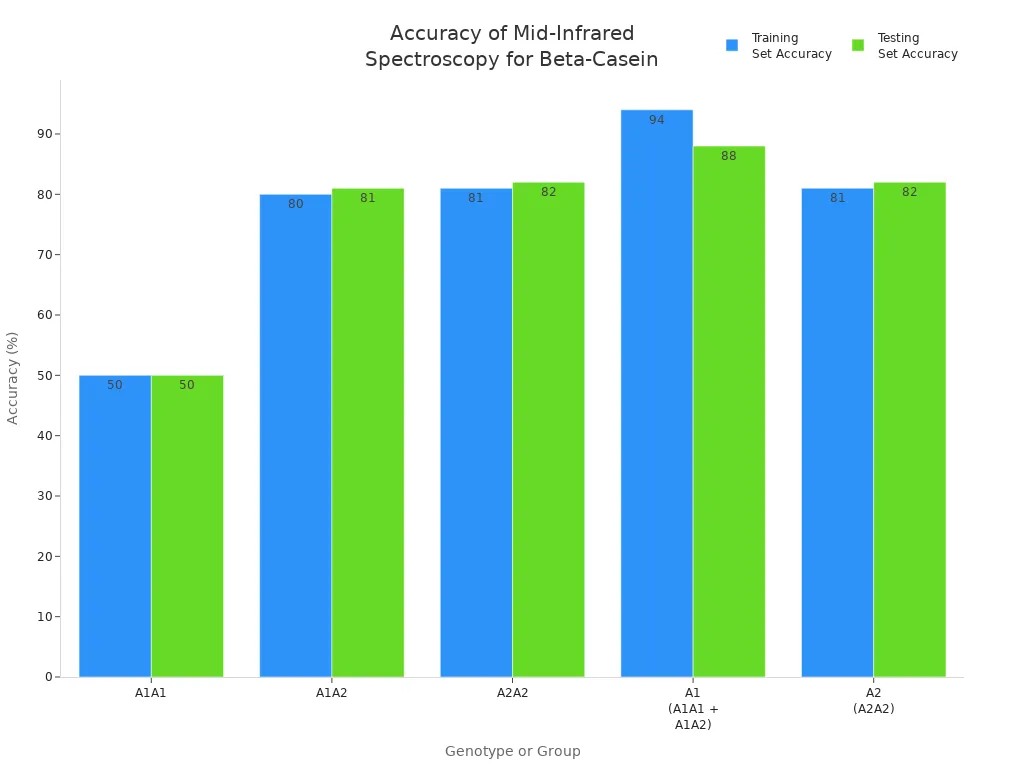
Mid-infrared spectroscopy gives you speed and high throughput. You get results quickly, and the process costs less than many other tests. However, the accuracy can change depending on the milk type. Take a look at the accuracy for different genotypes:
| Genotype | Training Set Accuracy | Testing Set Accuracy |
|---|---|---|
| A1A1 | 50% | 50% |
| A1A2 | 80% | 81% |
| A2A2 | 81% | 82% |
| A1 (A1A1 + A1A2) | 94% | 88% |
| A2 (A2A2) | 81% | 82% |
Tip: If you want fast, affordable screening for lots of milk, mid-infrared spectroscopy is a smart choice. Just remember, the accuracy may not match more advanced lab tests.
Lateral Flow Immunoassays
Rapid Detection of A1/A2 Proteins
You want a test that works fast and doesn’t need a lab. Lateral flow immunoassays (LFIA) give you just that. These tests look like the strips you use for a home pregnancy test. You add a drop of milk, and the strip shows lines if A1 or A2 proteins are present. You get results in minutes. No waiting, no complicated steps. LFIA uses antibodies that grab onto the target protein, so you see a clear answer right away.
LFIA strips make milk testing simple. You can check your milk before it leaves the farm.
Suitability for On-Site Testing
LFIA shines when you need answers on the spot. You don’t need special equipment or trained staff. You can use these strips in the field, at the dairy, or even at home. The process is easy. Just dip the strip, wait a few minutes, and read the result. If you want to test many samples quickly, LFIA is a smart choice.
- No lab required
- Results in less than 10 minutes
- Easy for anyone to use
You can even use a strip scan reader to boost accuracy. This tool reads the strip for you and gives a more precise result.
Limitations
LFIA does have some drawbacks. The results are semiquantitative, so you might not get exact numbers. Sometimes, reading the lines can be tricky, and people may see different results. If the milk has a high concentration of target proteins, the strip may not work as well. Compared to ELISA and mass spectrometry, LFIA is less accurate. ELISA gives you high sensitivity and stability, while LFIA can show more variability.
Tip: LFIA is great for quick checks, but if you need detailed, reliable data, you should consider lab-based methods like ELISA or mass spectrometry.
Biosensor Technologies
Electrochemical Biosensors for Milk Testing
You might want a tool that gives you quick answers about your milk. Electrochemical biosensors can help you do just that. These sensors use tiny electrodes to spot A1 or A2 proteins in your milk. When the protein touches the sensor, it creates a small electrical signal. You can read this signal to know what is in your milk. You do not need a big lab or lots of chemicals. You just need the sensor and a simple reader.
- Many sensors use screen-printed electrodes (SPEs) because they are cheap and easy to make.
- You can use these sensors right at the dairy or even on the farm.
Sensitivity and Speed
You want results fast, and biosensors deliver. Most sensors can give you answers in less than 10 minutes. You do not have to wait for hours or days. These sensors are very sensitive. They can find tiny amounts of A1 or A2 proteins. You get reliable results without spending a lot of money.
The food industry is focused on using sensor-based devices for routine on-site monitoring. You can check your milk quickly and make sure it is safe and healthy.
Current Development Status
Biosensor technology keeps getting better. New sensors can test for more things in milk, not just A1 or A2 proteins. Some sensors can even spot bacteria like E. coli in real time.
A novel thermal biosensor now detects E. coli in milk without any sample preparation. This sensor uses screen-printed electrodes and shows high selectivity, making it a strong choice for onsite microbial testing in A1/A2 milk.
You can expect more smart sensors soon. These tools will help you keep your milk safe and high-quality with less effort.
A1 A2 Milk Test Kit

Commercially Available Test Kits
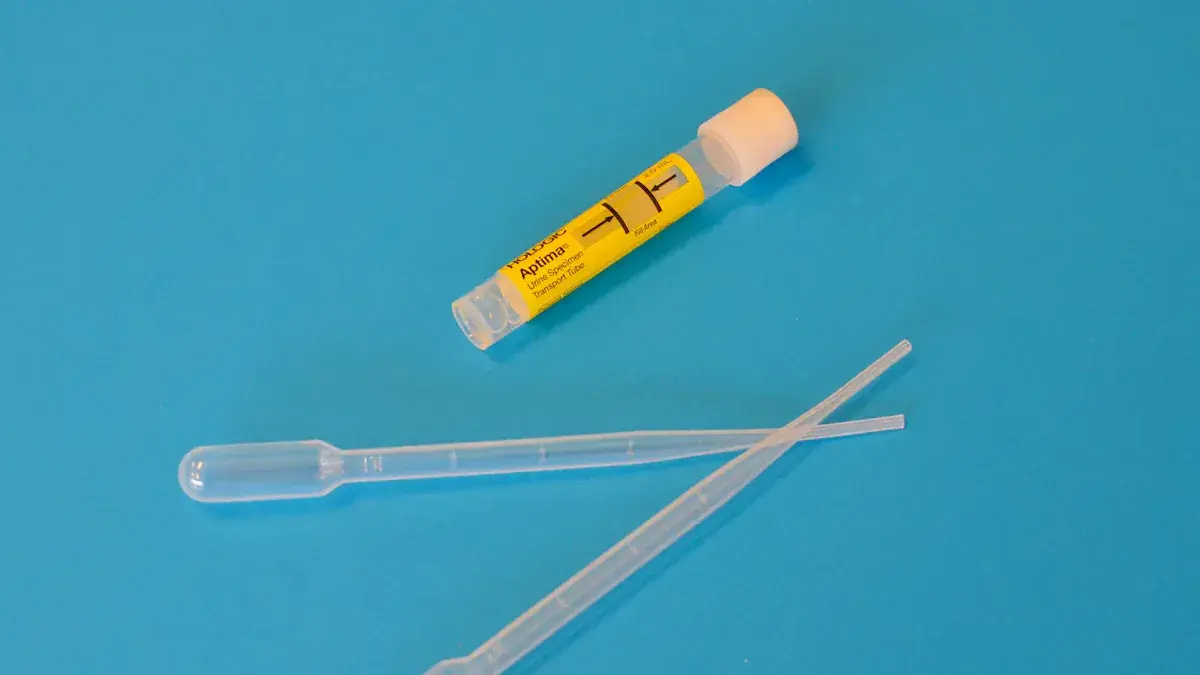
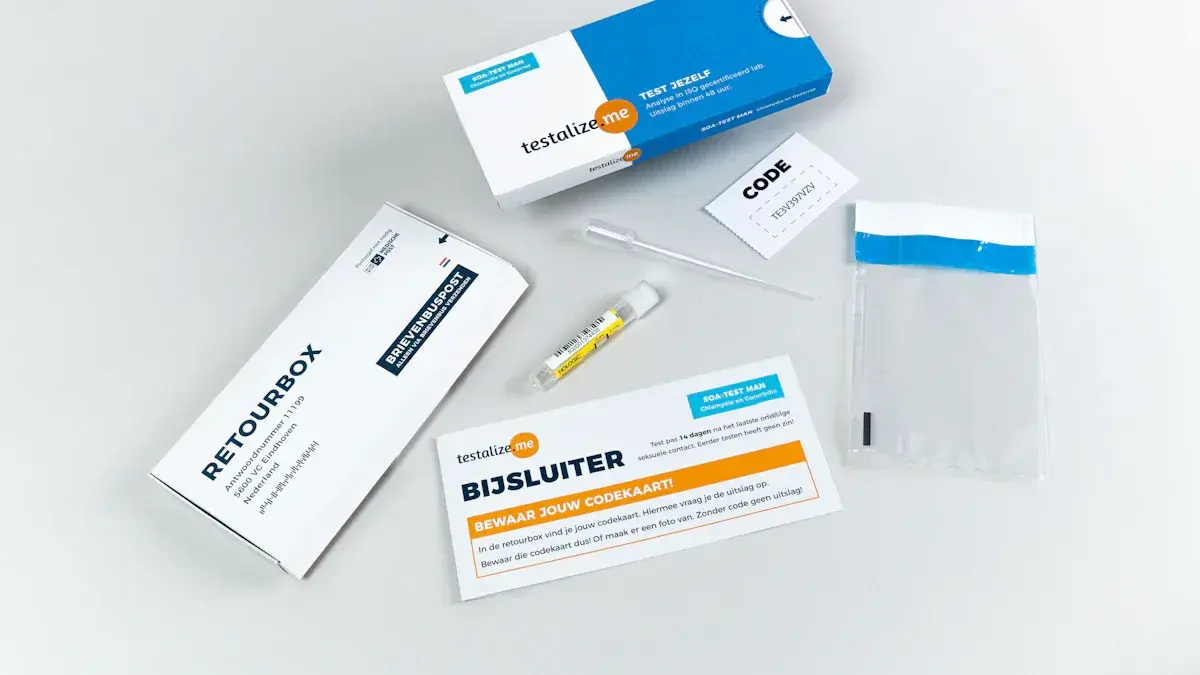
You want a test that fits your busy schedule. The A1 A2 Milk test kit gives you that. Many kits on the market, like the Rapid Colloidal Gold Test Card, focus on speed and simplicity. You do not need special tools or training. You just follow the step-by-step instructions and get your answer fast. Most kits use ELISA or LFIA technology, which means you can trust the science behind them.
Here’s how fast you get results:
| Test Type | Results Time |
|---|---|
| A1/A2 beta-casein test | Same-day results |
Ease of Use for Producers and Consumers
You do not have to be a scientist to use an A1 A2 Milk Test Kit. The instructions are clear, and the process is simple. You add a drop of milk, wait a few minutes, and read the result. These kits work well at home or on the farm. You can check your milk before it leaves the dairy or even test it right in your kitchen. Kits like these help you feel confident about what you are drinking or selling.
Many A1 A2 Milk Test Kits are designed for anyone to use, making milk testing stress-free and quick.
Accuracy and Limitations
You want results you can trust. ELISA and LFIA-based A1 A2 Milk Test Kits have shown 100% accuracy for identifying A2A2 animals. LFIA kits can even spot small amounts of contamination—down to 5% in raw milk and 10% in fermented milk.
- ELISA and LFIA tests: 100% accuracy for A2A2 animals
- LFIA: Detects 5% contamination in raw milk, 10% in fermented milk
Still, you should know that no test is perfect. Sometimes, very high or very low protein levels can affect the results. For most people, though, these kits offer a reliable and easy way to check milk quality.
Comparing Non-Genetic Testing Methods
Accuracy and Reliability
You want to trust your milk test results. Each non-genetic method gives you a different level of accuracy. ELISA tests stand out for their high sensitivity. You can spot even tiny amounts of A1 or A2 proteins. Mass spectrometry goes even further. It finds the smallest differences in protein structure. This method gives you very reliable answers, but you need special equipment.
Mid-infrared spectroscopy works well for large groups of samples. You get quick results, but the accuracy can change with different milk types. Lateral flow immunoassays give you fast answers, but sometimes the results are not as exact as lab-based tests. If you want a simple and reliable option, an A1 A2 Milk Test Kit can help you check your milk at home or on the farm. These kits use proven science and give you results you can trust for most everyday needs.
Tip: If you need the highest accuracy, choose mass spectrometry or ELISA. For quick checks, test kits and lateral flow strips work well.
Speed and Turnaround Time
You probably want your results fast. Some methods take longer than others. ELISA and lateral flow immunoassays give you answers in less than an hour. You can use these for routine checks or when you need to test many samples quickly. Mass spectrometry takes more time because you must prepare the samples and use advanced machines. Mid-infrared spectroscopy shines when you need to test hundreds of samples in a day.
Let’s look at how some common methods compare:
| Method | Speed | Turnaround Time | Cost | Technical Engagement |
|---|---|---|---|---|
| RFLP-PCR | Moderate | Complicated | Most Expensive | High |
| ARMS-PCR | Fast | Quick | Cheapest | Low |
| HPLC | Slow | Lengthy (45 min/sample) | Informative | Moderate |
You can see that ARMS-PCR is the fastest and easiest, but it is a genetic method. For non-genetic tests, lateral flow strips and ELISA are your best bets for speed. Mass spectrometry and HPLC take longer and need more skill.
If you want same-day results, pick a method like ELISA, mid-infrared spectroscopy, or a rapid A1 A2 Milk Test Kit.
Accessibility for Producers and Consumers
You want a test that fits your life. Not everyone has access to a big lab or expensive machines. Lateral flow immunoassays and A1 A2 Milk Test Kits are easy to use. You do not need special training. You can test your milk right at home or on the farm. ELISA kits need a small lab, but many dairies already have what they need. Mass spectrometry and HPLC require skilled staff and costly equipment. These methods work best in large labs or research centers.
Here’s a quick list to help you choose:
- Best for home or farm: Lateral flow strips, A1 A2 Milk Test Kit
- Best for routine dairy checks: ELISA, mid-infrared spectroscopy
- Best for research labs: Mass spectrometry, HPLC
You can pick the method that matches your needs and resources. If you want a simple, reliable test, try a milk test kit. If you run a big dairy, mid-infrared or ELISA might work better.
Remember, the best test is the one you can use easily and trust every time.
Choosing the Right Approach
Factors to Consider
You have a lot of choices when it comes to testing your milk for A1 and A2 proteins. Picking the right method depends on what you need and what you have available. Here are some things you should think about:
- Speed: Do you need results right away, or can you wait a bit longer?
- Accuracy: How important is it for you to get the most exact answer?
- Cost: Are you looking for something budget-friendly, or do you have money to spend on high-tech tools?
- Ease of Use: Do you want a test you can do yourself, or do you have access to a lab?
- Sample Size: Are you testing just one sample, or do you need to check hundreds every day?
- Location: Will you Test At Home, on the farm, or in a lab?
Tip: Write down your top priorities before you choose a test. This will help you find the best fit for your situation.
Here’s a quick table to help you compare:
| Factor | Best Method(s) |
|---|---|
| Fast Results | Lateral Flow, A1 A2 Milk Test Kit |
| High Accuracy | ELISA, Mass Spectrometry |
| Low Cost | Lateral Flow, Mid-Infrared |
| Easy to Use | A1 A2 Milk Test Kit, Lateral Flow |
| Large Samples | Mid-Infrared, ELISA |
| On-Site Use | Lateral Flow, Biosensors, Test Kits |
You now have smart options for A1/A2 milk testing. Non-genetic methods like ELISA, LC-MS/MS, and test kits give you quick answers.
- Early testing works best before mixing batches.
- Watch out for extra peptides from milk processing.
- Track your milk and clean equipment to keep results accurate.