
 +86-18343147735





0102030405
How to Choose the Best A1 A2 Milk Test Kit for Your Dairy Needs
2025-08-28
Choosing the right Milk Test Kit can make a big difference for you. Your needs might be simple, or you might want more advanced tools. You could test milk at home, on your farm, or in a lab. Some people prefer quick options like the A1 A2 Milk test kit for Rapid Colloidal Gold Test Card for A2-β-Casein. Others look for kits that work with different types of milk.
Tip: Think about what matters most to you—speed, accuracy, or ease of use.
Key Takeaways
- Identify your testing needs. Consider factors like speed, accuracy, and ease of use when selecting a milk test kit.
- Choose a kit with proven accuracy. Look for tests like ELISA and LFIA that have shown high reliability in independent studies.
- Ensure compatibility with your milk type. Not all kits work with every kind of milk, so check if the kit suits your specific needs.
- Read reviews and check for certifications. This helps you trust the quality and effectiveness of the test kit you choose.
- Follow instructions carefully for accurate results. Proper sample collection and adherence to guidelines are crucial for reliable testing.
Understanding A1 and A2 Milk

What Are A1 and A2 Milk Proteins
You might wonder what makes A1 and A2 milk different. The answer comes down to a tiny change in the milk protein called beta-casein. In A1 milk, the beta-casein protein has a part called histidine at position 67. In A2 milk, this spot holds proline instead. This small switch changes how your body breaks down the protein.
- A1 beta-casein can create a peptide called BCM-7 during digestion. Some people think BCM-7 may affect health, but research is still ongoing.
- A2 beta-casein does not form BCM-7 in the same way.
- A1 and A2 beta-casein also look and act a bit differently. A1 forms bigger clusters, called micelles, while A2 has stronger chaperone activity, which helps proteins fold correctly.
You can find both types of milk in stores, but the kind you get often depends on the cow breed. For example, Holstein cows, which are common in the U.S., usually produce more A1 milk. Guernsey cows, on the other hand, make mostly A2 milk.
Why Does Testing for A1/A2 Matter
Testing for A1 and A2 proteins helps you know what’s really in your milk. If you run a dairy farm or buy milk for your family, you want to be sure about the type of protein you’re getting. Some people say A2 milk feels gentler on their stomachs. Others want to avoid BCM-7 for peace of mind.
Knowing the breed of your cows can help, but it’s not always enough. Even cows from the same breed can produce different types of milk. That’s why using a test kit, like the A1 A2 Milk Test Kit for Rapid Colloidal Gold Test Card for A2-β-Casein, can give you clear answers. With the right kit, you can check your milk at home, on the farm, or in a lab. This helps you make better choices for your health and your business.
Key Criteria for Choosing an A1 A2 Milk Test Kit
Accuracy and Reliability
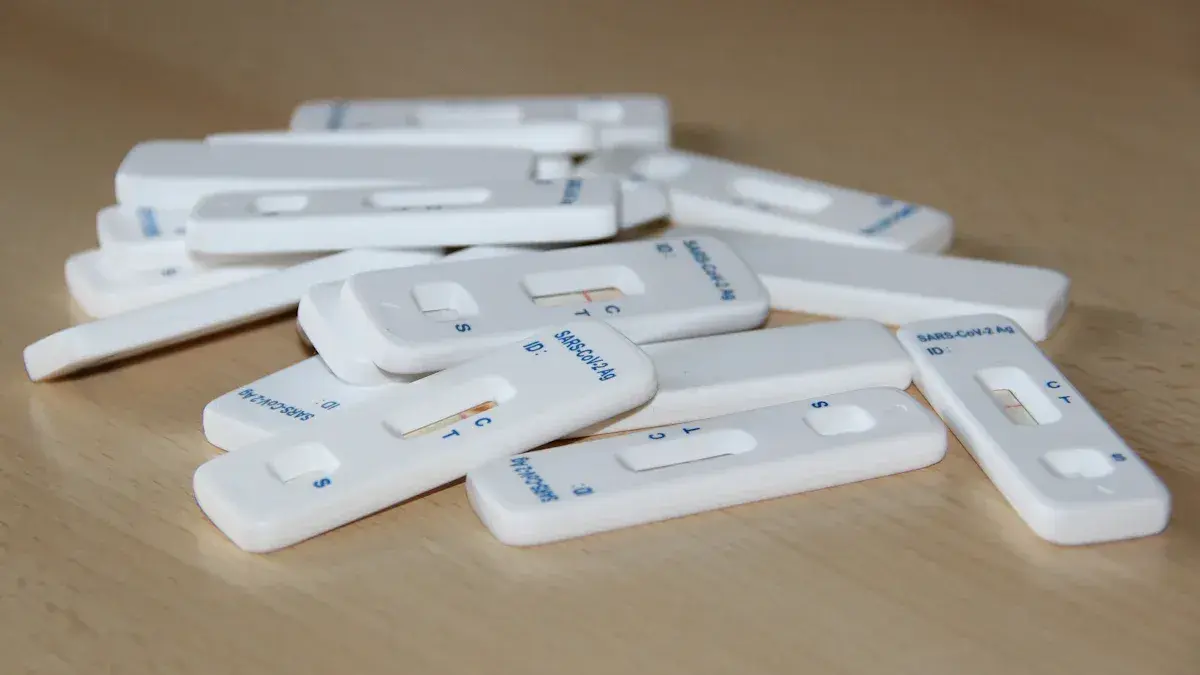
You want a test kit that gives you answers you can trust. If you run a dairy or just care about what’s in your milk, accuracy matters. Some kits, like ELISA and LFIA, have shown great results in independent studies. Here’s what you should know:
- ELISA and LFIA tests reached 100% accuracy for spotting A2A2 animals.
- LFIA can find even small amounts of contamination—5% in Raw milk and 10% in fermented milk.
- These tests help you make sure your A2 milk is real and pure.
When you choose a kit, look for one that has been tested and reviewed by others. Reliable results mean you can make better choices for your family or your business.
Ease of Use
Nobody wants a test kit that feels like rocket science. You need something simple, especially if you’re testing milk at home or on the farm. Many kits come with step-by-step instructions. Some, like the A1 A2 Milk Test Kit for Rapid Colloidal Gold Test Card for A2-β-Casein, are designed for quick and easy use. You just follow the guide, and you get your answer fast. If you’re new to testing, pick a kit that doesn’t need special tools or training. Easy-to-use kits save you time and help you avoid mistakes.
Tip: Always read the instructions before you start. This helps you get the best results every time.
Speed of Results
Time matters when you need answers fast. Some kits give you same-day results, so you don’t have to wait long. Here’s a quick look at how fast popular tests work:
| Test Type | Results Time |
|---|---|
| A1/A2 beta-casein test | Same-day results |
If you run a busy dairy or need to check milk quickly, speed is key. Rapid tests, like those using LNA-probe methods, are popular because they work fast and don’t cost much. You get results quickly, which helps you make decisions right away.
Cost and Value
When you shop for an A1 A2 milk test kit, price often grabs your attention first. You want a kit that fits your budget, but you also want good value. Some kits cost more because they offer advanced features or higher accuracy. Others keep things simple and affordable.
Here’s a quick way to compare cost and value:
| Kit Type | Average Price | What You Get |
|---|---|---|
| Rapid Test Card | Low | Fast results, easy steps |
| ELISA or PCR Kit | Medium-High | Lab-level accuracy, more steps |
| DNA-based Kit | High | Detailed results, expert use |
You might feel tempted to pick the cheapest option. Think about what you need. If you test milk often or run a dairy, spending a bit more can save you trouble later. Some kits, like the A1 A2 Milk Test Kit for Rapid Colloidal Gold Test Card for A2-β-Casein, give you quick answers without breaking the bank.
Tip: Check if the kit includes everything you need—like sample tubes or instructions. Sometimes, hidden costs pop up if you need extra supplies.
Compatibility with Different Milk Sources
Not all test kits work with every kind of milk. You might have cow’s milk, goat’s milk, or even buffalo milk. Some kits only test cow’s milk, while others handle more types.
Ask yourself these questions:
- What kind of milk do you want to test?
- Do you need to check raw, pasteurized, or fermented milk?
- Will you test milk from different breeds or species?
Many rapid test cards work best with fresh cow’s milk. If you use milk from other animals, look for kits that mention compatibility on the box or in the instructions. Some advanced kits, like PCR or DNA-based ones, can test a wider range of milk sources.
Note: Always read the kit details before you buy. If you’re unsure, contact the manufacturer or seller for advice.
Choosing a kit that matches your milk source helps you get clear, accurate results. You avoid wasted time and money, and you feel confident in your testing.
Step-by-Step Guide to Selecting the Right Test Kit
Assess Your Dairy Needs
Start by thinking about what you want from your test kit. Do you run a big dairy farm, or do you just want to check milk at home? Maybe you need to test milk from different animals. Write down your main goals. Some people want fast results. Others care most about accuracy. You might need a kit that works with raw, pasteurized, or even fermented milk.
Tip: Make a checklist of your must-haves. This helps you stay focused when you shop.
Compare Available Kit Types
You will find several types of A1 A2 milk test kits. Each one has its own strengths. Here’s a quick table to help you compare:
| Kit Type | Best For | Speed | Skill Needed |
|---|---|---|---|
| Rapid Test Card | Home, small farms | Very Fast | Low |
| ELISA Kit | Labs, large dairies | Moderate | Medium |
| PCR/DNA Kit | Research, advanced use | Slower | High |
If you want something simple, try a rapid test card like the A1 A2 Milk Test Kit for Rapid Colloidal Gold Test Card for A2-β-Casein. You get results quickly and don’t need special training. For more detailed results, look at ELISA or PCR kits.
Check for Certification and Reviews
Always check if the kit has any certifications. Certified kits meet certain quality standards. This means you can trust the results. Look for reviews from other users. Real feedback helps you spot any problems before you buy.
- Read reviews on trusted websites.
- Ask other dairy owners about their experiences.
- Check if the kit is approved by food safety groups.
Note: Good reviews and certifications mean you can feel confident in your choice.
Consider Support and Warranty
When you buy an A1 A2 milk test kit, you want more than just the product. You need good support and a solid warranty. These two things can save you time, money, and stress if something goes wrong.
Why does support matter?
You might have questions about how to use your kit. Sometimes, instructions feel confusing. Maybe you run into a problem with your results. If the company offers strong customer support, you can get help fast. Look for brands that provide:
- Clear contact information
- Quick response times
- Helpful guides or videos
- Live chat or phone support
Tip: Try sending a question to customer service before you buy. See how fast and friendly their reply is.
Warranty is your safety net.
A warranty protects you if your kit breaks or doesn’t work as promised. Some companies offer a simple replacement. Others give you a full refund. Always check the warranty details before you buy. Here’s a table to help you compare:
| Brand | Warranty Length | What’s Covered |
|---|---|---|
| DNAFoil® | 12 months | Defects, malfunctions |
| SwissDeCode | 6 months | Manufacturing issues |
| ALSENSE | 1 year | Faulty components |
| Rapid Test Card | 3 months | Basic replacement |
If you plan to use your kit often, a longer warranty gives you peace of mind. You don’t want to buy a new kit every few months.
What should you do?
Read the fine print. Ask questions if you’re unsure. Choose a kit from a company that stands behind its product. Good support and a strong warranty show that the brand cares about you.
Note: A reliable kit with great support helps you test with confidence. You get answers when you need them, and you know help is just a call or click away.
Top A1 A2 Milk Test Kits for 2025
Choosing the right test kit can feel tricky. You want something that fits your needs and gives you results you can trust. Let’s look at three top picks for 2025. Each kit stands out for different reasons. You’ll see what makes each one special and how it might work for you.
DNAFoil® A2 Cow Test
If you want to check which cows produce pure A2 milk, the DNAFoil® A2 Cow Test makes things simple. You don’t need to be a scientist to use it. You can test right on your farm or even at home. This kit uses tail hair samples from cows to spot the A1 beta-casein allele. You get results in just 45 minutes, and you only spend about 15 minutes doing the actual work. The kit comes with everything you need, so you don’t have to buy extra supplies.
Here’s what you get with DNAFoil® A2 Cow Test:
- You can check the purity of A2 milk batches.
- You test cows independently to find out which ones produce A2 milk.
- The kit gives you highly accurate results.
- You use tail hair samples, which are easy to collect.
- You get reliable answers fast—45 minutes total, with only 15 minutes of hands-on time.
- You can use the kit on-site, even if you’re not an expert.
Tip: If you want to know which cows in your herd produce A2 milk, this kit helps you make smart breeding and selling choices.
ALSENSE Casein A1/A2 Real-Time PCR Kit
You might need lab-level accuracy for your milk testing. The ALSENSE Casein A1/A2 Real-Time PCR Kit gives you that. This kit uses advanced PCR technology to check for A1 and A2 beta-casein genes. You get detailed results that help you understand exactly what’s in your milk. Many dairy labs and large farms trust this kit because it finds even tiny differences in milk proteins.
You’ll need some lab equipment and a bit of training to use this kit. It’s not as quick as some other options, but the results are very precise. If you run a big dairy or want to make sure your milk meets strict standards, ALSENSE is a strong choice.
Here’s a quick look at what you get:
- Advanced PCR testing for high accuracy.
- Detailed results for both A1 and A2 genes.
- Trusted by labs and large dairies.
- Best for users with some lab experience.
Note: If you want the most detailed results and don’t mind spending a little more time, ALSENSE gives you confidence in your milk’s quality.
SwissDeCode Rapid A1 Milk Test
Sometimes you just want answers fast. The SwissDeCode Rapid A1 Milk Test gives you results in minutes. You don’t need special training or fancy equipment. This kit works well for home users, small farms, or anyone who wants to check milk quickly. You just follow the simple steps, and you see if your milk contains A1 beta-casein.
SwissDeCode’s kit is popular because it’s easy to use and doesn’t cost much. You can test raw, pasteurized, or even fermented milk. If you want a quick check before you buy or sell milk, this kit makes it easy.
Here’s why people like SwissDeCode Rapid A1 Milk Test:
- Fast results, usually in less than an hour.
- Simple instructions for anyone to follow.
- Works with different types of milk.
- No need for lab equipment.
Tip: If you want a quick answer at home or on your farm, this kit saves you time and worry.
You might also want to try the A1 A2 Milk Test Kit for Rapid Colloidal Gold Test Card for A2-β-Casein. It’s another easy-to-use option for fast results, especially if you want to test milk without any special tools.
A1 A2 Milk Test Kit for Rapid Colloidal Gold Test Card for A2-β-Casein
If you want a test kit that makes things quick and simple, you might like the A1 A2 Milk Test Kit for Rapid Colloidal Gold Test Card for A2-β-Casein. This kit works well for people who want answers fast and do not want to use special lab tools. You can use it at home, on your farm, or even in a small dairy shop. The kit uses a special gold test card that changes color when it finds A1 or A2 beta-casein in your milk.
You do not need to be a scientist to use this kit. You just collect a small milk sample, follow the steps in the guide, and wait a few minutes. The card will show you if your milk has A1, A2, or both proteins. Many people like this kit because it gives results in less than 10 minutes. You do not have to wait long or send your milk to a lab.
Here are some reasons you might choose this test kit:
- You want to check your milk quickly before you drink it or sell it.
- You do not want to spend a lot of money on testing.
- You need a kit that is easy to use, even if you have never tested milk before.
- You want to test different types of milk, like raw or pasteurized.
Tip: Always read the instructions before you start. This helps you get the best results and avoid mistakes.
The A1 A2 Milk Test Kit for Rapid Colloidal Gold Test Card for A2-β-Casein gives you peace of mind. You know what is in your milk, and you can make better choices for your family or your business.
Comparison Table of Features
You might wonder how the top A1 A2 milk test kits compare. Each kit has its own strengths. Some work faster, while others give more detailed results. The table below shows you the main features of the most popular kits. This way, you can pick the one that fits your needs best.
| Feature/Kit | DNAFoil® A2 Cow Test | ALSENSE Casein A1/A2 Real-Time PCR Kit | SwissDeCode Rapid A1 Milk Test | Rapid Colloidal Gold Test Card for A2-β-Casein |
|---|---|---|---|---|
| Sample Type | Cow hair | Milk or DNA sample | Milk | Milk |
| Time to Results | ~45 minutes | 2-3 hours | <1 hour | <10 minutes |
| Ease of Use | Moderate | Advanced | Easy | Very Easy |
| Accuracy | High | Very High | High | Good |
| Equipment Needed | None | Lab equipment | None | None |
| Best For | Farmers, breeders | Labs, large dairies | Home, small farms | Home, farms, shops |
| Cost | Medium | High | Low-Medium | Low |
| Works with Different Milk Types | No (cow only) | Yes | Yes | Yes |
| Results Format | Genetic profile | Detailed gene report | Visual (color change) | Visual (color change) |
You can see that the Rapid Colloidal Gold Test Card for A2-β-Casein stands out for speed and ease of use. If you want results in minutes and do not want to use any special tools, this kit is a great choice. Other kits, like the ALSENSE PCR kit, give you more detailed results but take longer and need lab equipment.
When you look at the bigger picture, A2 milk is closer to the original protein found in cow’s milk. It does not contain the potentially harmful beta casomorphin 7 (BCM7) that A1 milk has. A2 milk also shares a similar protein structure with milk from goats, sheep, and even camels. If you care about nutrients, A2 milk gives you vitamin B12 and folate naturally, while A1 milk often has added vitamin D2.
Note: Think about what matters most to you—speed, accuracy, or cost. The right kit helps you get the answers you need, when you need them.
Practical Tips for Using and Interpreting Test Kits
Preparing Samples Correctly
Getting your sample right is the first step to accurate results. You want to use clean tools and fresh milk. If you collect hair from a cow for a genetic test, make sure you grab enough strands from the tail. For milk tests, use a clean container and avoid mixing old and new milk. If you test raw milk, keep it cool until you start. Pasteurized milk works well, too. Always check the kit instructions for the best sample type.
Tip: Wash your hands before you handle samples. This helps you avoid contamination and keeps your results trustworthy.
Following Instructions for Accurate Results
Every test kit comes with its own set of steps. You need to follow them closely. Read the guide before you begin. Some kits ask you to mix liquids, while others use a test card. If you skip a step or rush, you might get the wrong answer. Take your time and double-check each move. If you feel unsure, watch a video or ask the company for help.
Here’s a quick checklist:
- Read all instructions first.
- Measure samples as directed.
- Wait the right amount of time for results.
- Record your findings.
Note: If you use a rapid test card, watch for color changes. If you use a genetic test, send the sample to the lab as soon as possible.
Understanding and Acting on Test Outcomes
When you get your results, you want to know what they mean. The type of beta-casein protein in your milk tells you if it’s A1 or A2. If you use a genetic test, you find out if your cow produces 100% A2 milk. Only genetic testing gives you a clear answer about the cow’s milk type. Some kits use hair samples, while others test the milk itself.
Here’s a table to help you interpret your results:
| Factor | Description |
|---|---|
| Type of beta-casein protein | The A2 milk refers to the type of beta-casein protein in the milk, which is objective. |
| Genetic testing necessity | The only definitive way to determine if a cow produces 100% A2 milk is through a genetic test. |
| Testing method | A simple test done with a hair sample from a cow’s tail, sent to a lab for results. |
If your milk tests as A2, you can label it for customers who want that option. If you find A1, you might decide to change your herd or offer both types. Always keep your results in a safe place. This helps you track changes and make smart choices for your dairy.
😊 Remember: Accurate testing helps you build trust with your family and customers.
When you pick an A1 A2 milk test kit, keep these things in mind:
- Accuracy helps you trust your results.
- Compatibility makes sure your kit works with your milk.
- Ease of use saves you time and stress.
Tip: Rapid test cards work great at home. If you run a farm or lab, try advanced PCR or DNA kits. Reliable results help you reach your dairy goals. 🥛
FAQ
How do I know which test kit is right for me?
You should think about where you plan to test milk and how fast you need results. If you want quick answers at home, pick a rapid test card. For more detailed results, try a PCR or DNA kit.
Can I use these kits with goat or buffalo milk?
Some kits work only with cow’s milk. Others test goat, buffalo, or even sheep milk. Always check the kit’s instructions or ask the seller before you buy.
Do I need special training to use a milk test kit?
Most rapid test cards need no training. You just follow the steps in the guide. Lab kits, like PCR, may need some practice or special equipment.
What should I do if my test results seem unclear?
Read the instructions again and make sure you followed every step. If you still feel unsure, contact the kit’s customer support for help. You can also try testing a new sample.
How should I store my test kit?
Keep your kit in a cool, dry place. Avoid sunlight and moisture. Always close the kit after use. This helps you get accurate results every time.