
 +86-18343147735





0102030405
Food Safety Testing Enters the 'Rapid Era
2025-07-07
Rapid Test kits are reshaping global food safety practices from factories to households
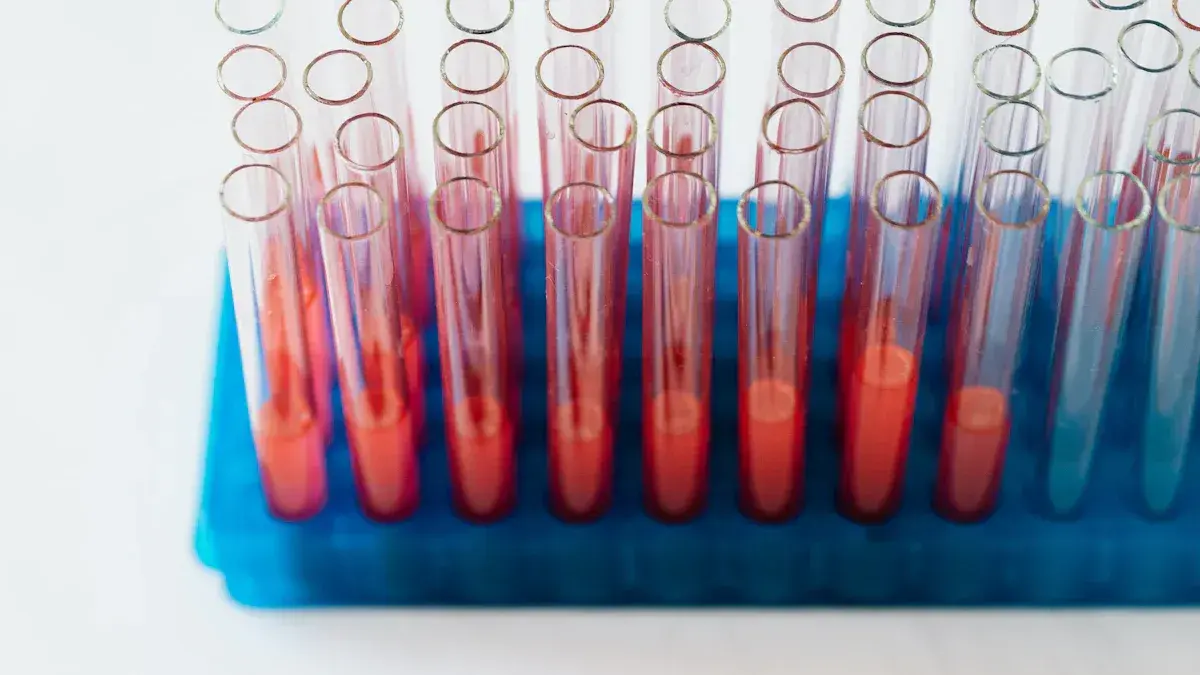
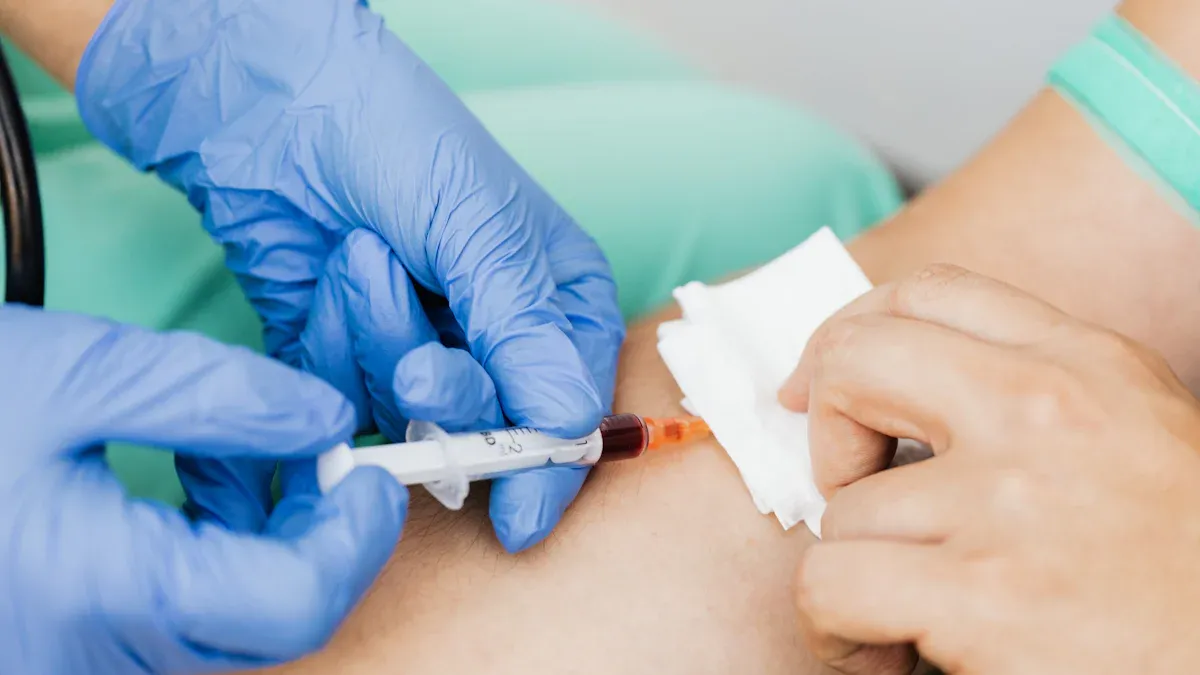
[Shanghai | July 2025] — As global food supply chains face increasing scrutiny and consumers demand higher safety standards, rapid testing technologies are emerging as the new front line in food quality control. From pesticide residues to heavy metals and allergens, portable diagnostic kits now enable faster, more accessible, and cost-effective screening across the entire supply chain.
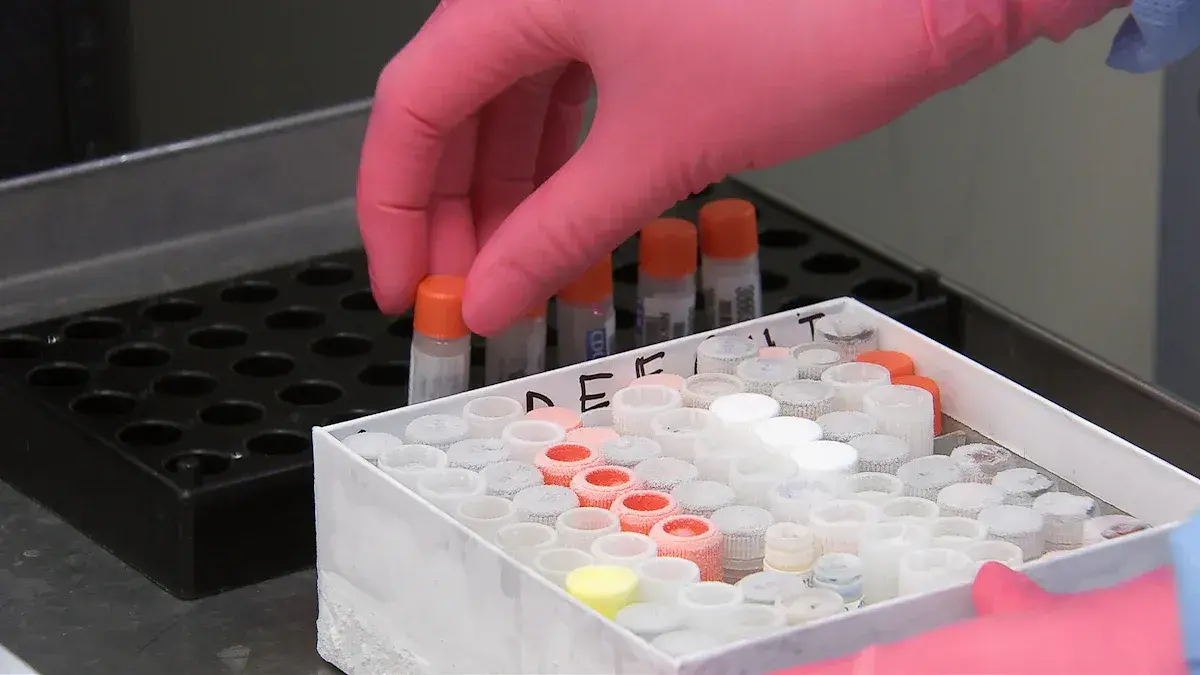
Rapid Test vs. Lab Testing Traditional laboratory testing relies on advanced instruments such as GC-MS or AAS, requiring professional operators, extended turnaround time, and centralized facilities. In contrast, rapid testing methods such as colloidal gold immunoassay strips, dry-chemistry test cards, and fluorescence-based lateral flow tests offer portable, real-time solutions. These tools support early detection, empower onsite decisions, and are especially suited for small food producers, exporters, and consumers.
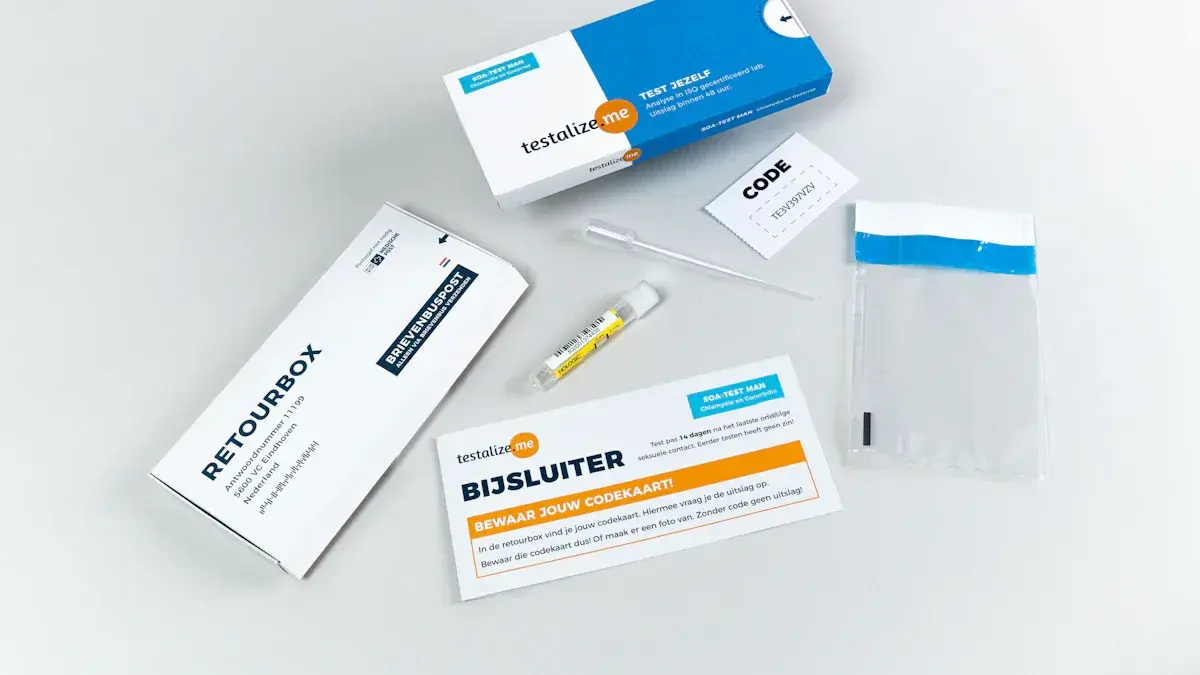
Dual Demand: Industry and Household Food manufacturers increasingly use rapid test kits at key checkpoints: raw material intake, batch switching, and final product checks. This 'pre-QS' approach reduces risk and improves traceability. Meanwhile, home-use food safety kits are becoming popular among parents, pregnant women, and health-conscious consumers. Simple, non-instrumental tests for pesticide residues, GMOs, or antibiotics help everyday users make informed decisions.
Hot Targets: Antibiotics, Toxins, GMOs, and Allergens Leading detection categories include:
- Antibiotic residues: tetracyclines, chloramphenicol, quinolones
- Heavy metals: lead, cadmium, mercury, arsenic
- Mycotoxins: aflatoxin, ochratoxin, fumonisin in grains and oils
- GMO fragments: in corn, soy, and processed foods
- Food allergens: peanut protein, gluten, soy-based residues
Technological Evolution & Regulatory Gap Emerging formats include smartphone-integrated readers, AI-assisted interpretation, and molecular detection tools such as LAMP assays. However, a lack of harmonized global standards for rapid testing—especially in non-medical categories—remains a major barrier. Regulatory bodies are only beginning to address quality benchmarking, error tolerances, and reporting protocols for consumer-grade test kits.
Quote from Company Representative "Rapid testing is no longer a supplemental step — it's a core strategy for modern food safety," said [Spokesperson Name jackie], [GM] at [hk conlight Company ]. "We believe accessible diagnostics will define the next decade of food innovation and consumer trust."
About [Company Name] [Company Name] is a biotechnology firm specializing in rapid diagnostic solutions across food safety, water quality, and veterinary testing. With a commitment to innovation and global standards, the company delivers ready-to-use kits and OEM solutions to partners worldwide.