
 +86-18343147735



0102030405
Best Freshwater Test Kits for Beginners to Buy Now
2025-09-29
Starting a new aquarium feels exciting, right? You want your fish and plants to thrive. Picking the right Fresh Water Test Kit helps you check your tank’s health with ease. A good Water Test Kit gives you fast, clear results, so you can fix problems before they start.
Key Takeaways
- Regular water testing is essential for a healthy aquarium. Test your water weekly to catch problems early.
- Choose a test kit that covers the basics like pH, ammonia, nitrite, and nitrate. Look for clear instructions and color charts.
- Keep a journal of your test results. Tracking changes helps you maintain a stable environment for your fish and plants.
Fresh Water Test Kit: Why Water Testing Matters
Preventing Common Aquarium Problems
You want your aquarium to look clear and beautiful. Regular water testing helps you spot problems before they get out of hand. When you use a Fresh Water Test Kit, you can catch issues like cloudy water, ammonia spikes, or unstable pH early.
- Water clarity issues often mean you need to clean your filter or change some water.
- Ammonia spikes can harm your fish, but you can prevent them by testing often and not overFeeding.
- pH instability makes fish stressed, so checking pH helps you keep things steady.
Testing lets you find invisible problems, too. Sometimes, algae grows fast because something is off with your water. If you test often, you can fix these problems quickly and keep your fish happy.
Tip: Make a habit of testing your water every week. You’ll catch trouble before it starts!
Supporting Healthy Fish and Plants
Healthy water means healthy fish and plants. When you use a Fresh Water Test Kit, you check important things like pH, ammonia, nitrites, and nitrates. These numbers tell you if your tank is safe.
- Poor water quality can hurt fish and plants. Fish need the right pH and enough oxygen to survive.
- Changes in pH affect how fish grow and reproduce.
- Low oxygen, often caused by algae, can be deadly for fish.
- Temperature swings can stop fish from mating.
Here’s a quick look at what you should test and why: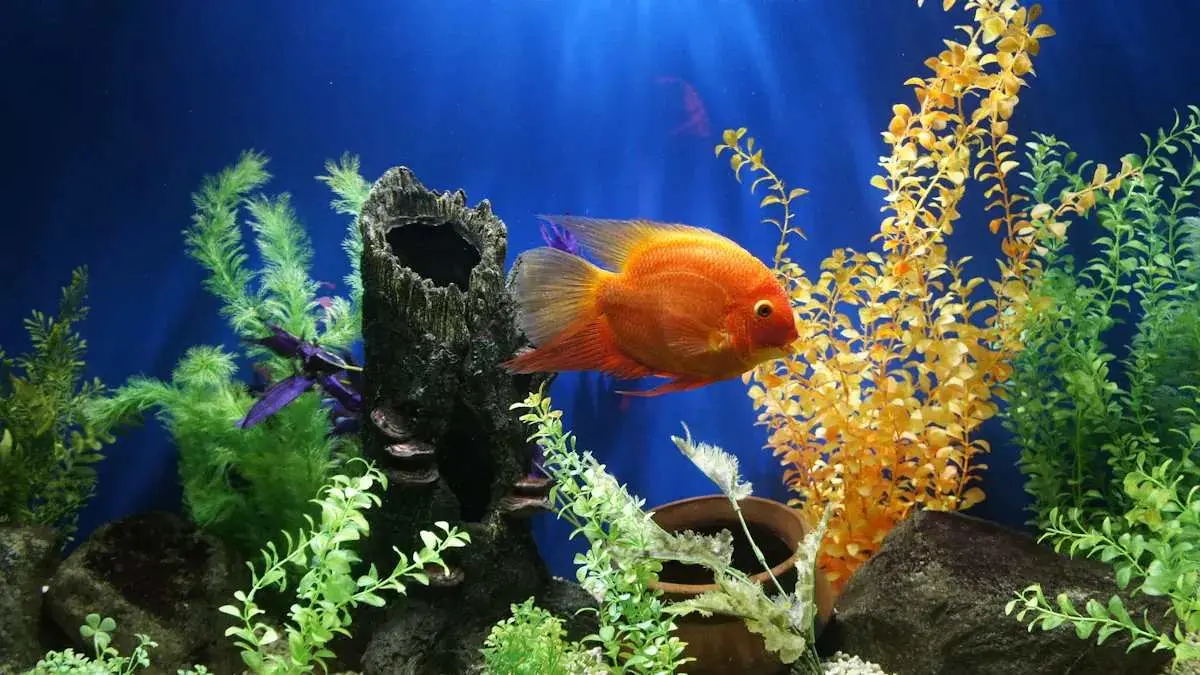
| Parameter | Importance |
|---|---|
| pH Level | Fish need the right pH to stay healthy. Different fish like different pH levels. |
| Ammonia, Nitrites, Nitrates | High levels can kill fish. Testing helps you keep these safe. |
| General Hardness and Carbonate Hardness | Some fish need hard water, others need soft. Testing helps you match their needs. |
Regular testing keeps your tank balanced. Your fish and plants will thank you!
Fresh Water Test Kit: Quick Comparison of Top 7 Kits
Key Features and Parameters Tested
When you look for a Fresh Water Test Kit, you want to know what each kit can check. Some kits test only the basics, while others cover more. Here’s a quick table to help you see what the top kits test for:
| Test Kit Name | Parameters Tested |
|---|---|
| API Freshwater Master Test Kit | pH, Ammonia, Nitrite, Nitrate |
| Tetra EasyStrips 6-in-1 | pH, Nitrite, Nitrate, Hardness, Chlorine, Alkalinity |
| Seachem MultiTest Freshwater | Ammonia, Nitrite, Nitrate, pH, Alkalinity, Hardness |
| JBL Test Combi Set | pH, Ammonia, Nitrite, Nitrate, CO₂ |
| Sera Aqua-Test Box | pH, Ammonia, Nitrite, Nitrate, Hardness, Phosphate |
| Nutrafin Master Test Kit | pH, Ammonia, Nitrite, Nitrate, Hardness |
| Lifegard Aquatics All-in-One | pH, Ammonia, Nitrite, Nitrate, Hardness, Alkalinity |
You can see that most kits test for pH, ammonia, nitrite, and nitrate. Some add extra checks like hardness or CO₂. If you want to keep things simple, pick a kit that covers the basics. If you have special fish or plants, you might want a kit that tests more.
Ease of Use Ratings
You want a test kit that makes your life easy. Here’s how the top kits stack up for beginners:
- API Freshwater Master Test Kit: Clear instructions, color charts, and easy bottles. Great for first-timers.
- Tetra EasyStrips 6-in-1: Super fast. Just dip a strip and compare colors. No mess.
- Seachem MultiTest: More steps, but still simple if you follow the guide.
- JBL Test Combi Set: Comes with a handy case. Instructions are easy to follow.
- Sera Aqua-Test Box: Lots of tests in one box. Takes a bit longer, but not hard.
- Nutrafin Master Test Kit: Good for beginners. Clear color charts.
- Lifegard Aquatics All-in-One: Simple design. Results are quick to read.
Tip: If you want the fastest results, try test strips. If you want more detail, go for a liquid test kit.
Fresh Water Test Kit: Reviews of the Best Kits
API Freshwater Master Test Kit
You want a kit that covers all the basics. The API Freshwater Master Test Kit checks pH, high range pH, ammonia, nitrite, and nitrate. You get clear instructions and color charts, so you can see results quickly. Many beginners love this kit because it gives reliable readings if you follow the steps.
Here’s what you can test with this kit:
| Parameter | Measurement Range |
|---|---|
| pH | 6.0 to 7.6 |
| High range pH | 7.4 to 8.0 |
| Ammonia (NH3/NH4) | 0 to 8.0 ppm |
| Nitrite (NO2) | 0 to 5.0 ppm |
| Nitrate (NO3) | 0 to 160 ppm |
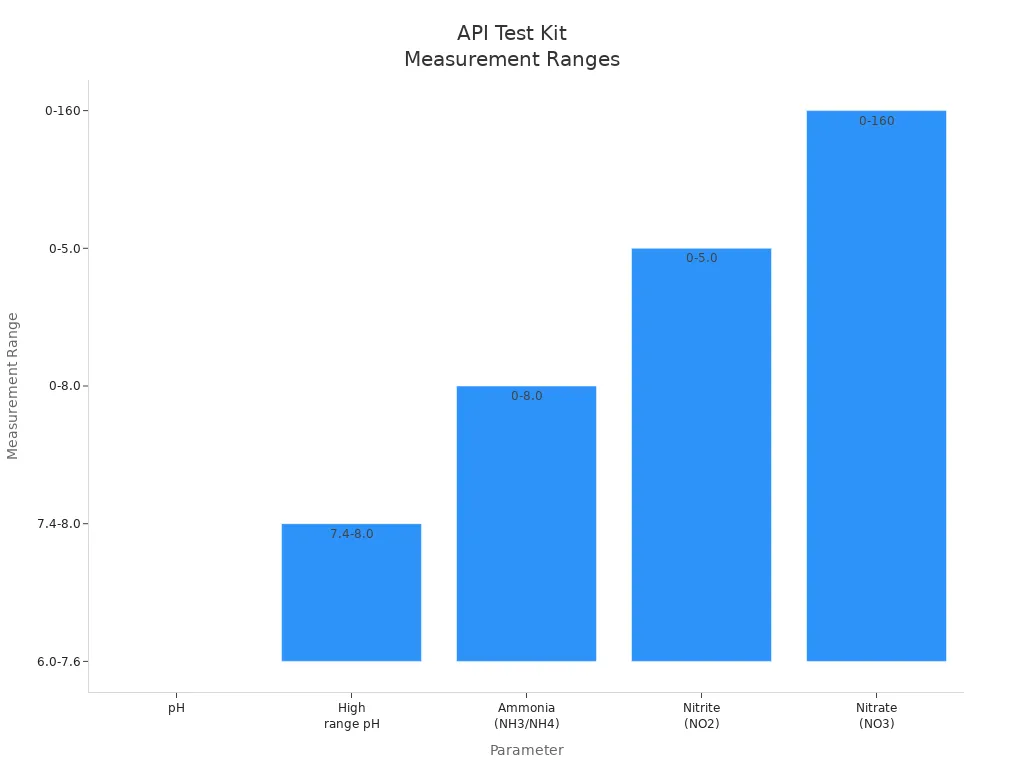

You get consistent and accurate results with this kit. Most users say they trust the readings. If you follow the instructions, you can avoid mistakes and keep your tank safe.
Tip: Always read the instructions before testing. You’ll get the best results every time.
Tetra EasyStrips 6-in-1 Test Strips
If you want something quick, Tetra EasyStrips 6-in-1 Test Strips make water testing simple. You just dip a strip in your tank and compare the colors. You can check pH, nitrite, nitrate, hardness, chlorine, and alkalinity in seconds.
But you should know that test strips are not as accurate as liquid kits. Many users say the results can be off, so they double-check with a liquid kit. Experienced fish keepers agree that strips are great for fast checks, but you shouldn’t rely on them for important decisions.
- Fast and easy to use
- Less accurate than liquid kits
- Good for quick checks, not for solving big problems
Note: If you want the most precise results, use a liquid Fresh Water Test Kit.
Seachem MultiTest Freshwater Test Kit
You get a lot of options with the Seachem MultiTest Freshwater Test Kit. It tests ammonia, nitrite, nitrate, pH, alkalinity, and hardness. The kit comes with a detailed guide, so you can learn how to use each test.
Some users have noticed a few problems. The test vials can stain over time, which may affect your readings. If you use Seachem Prime, the ammonia test might not work right. You can also get false readings if you wait too long after mixing the chemicals.
- Tests many important parameters
- Vials may stain and affect results
- Ammonia readings can be off with certain water conditioners
Tip: Clean your test vials after each use. You’ll keep your results accurate.
JBL Test Combi Set
JBL Test Combi Set gives you a handy case and tests for pH, ammonia, nitrite, nitrate, and CO₂. You get easy-to-follow instructions and a neat setup. Some users like the quick checks, but others say the color results can be hard to read.
| User Feedback | Summary |
|---|---|
| User 1 | Prefers liquid tests over JBL CombiSet for reliability. |
| User 2 | Reports JBL ProScan inaccurately measures pH, indicating a discrepancy with actual pH levels. |
| User 3 | Uses JBL ProScan for quick checks but confirms with liquid tests for accuracy. |
You may find the color charts a bit confusing. Some people say the results are not always clear, especially for pH. If you want to be sure, you can use another Fresh Water Test Kit to double-check.
- Easy to use
- Color results can be ambiguous
- Good for quick checks, but not always precise
Sera Aqua-Test Box
You get a lot in one box with the Sera Aqua-Test Box. This kit includes nine different tests, so you can check almost everything in your tank. It helps you spot problems early and keeps algae from taking over.
| Feature/Benefit | Description |
|---|---|
| Comprehensive water tests | Includes 9 different tests for various parameters |
| Early problem detection | Helps identify issues before they escalate |
| Algae problem prevention | Assists in maintaining water quality to prevent algae growth |
| Suitable for freshwater tanks | Specifically designed for freshwater aquarium owners |
| Includes tests for key parameters | Tests for pH, hardness, ammonia, nitrite, nitrate, phosphate, iron, copper, and chlorine |
Expert reviews say the Sera Aqua-Test Box gives fast and accurate results. You get color charts and a detailed manual, so you can learn how to test your water the right way.
| Feature | Description |
|---|---|
| Measurement Accuracy | Fast and accurate measurement results |
| Water Tests Included | 8 important water tests for marine water |
| Tests Offered | pH, KH, NO², NO³, NH4/NH3, PO4, Ca, Cu |
| Additional Resources | Colour charts and detailed manual included |
Tip: Use the manual to learn about each test. You’ll catch problems before they get serious.
Nutrafin Master Test Kit
Nutrafin Master Test Kit gives you a wide range of tests. You can check phosphate, calcium, nitrate, nitrite, ammonia, pH (high and low range), carbonate hardness, general hardness, and iron. This kit works well for beginners who want to test more than just the basics.
- Tests for many parameters
- Good for tanks with special needs
- Easy to use with clear instructions
You can keep your tank balanced and healthy with regular testing. If you have plants or sensitive fish, this kit helps you keep everything in check.
Lifegard Aquatics All-in-One Test Kit
Lifegard Aquatics All-in-One Test Kit makes water testing simple. You get tests for pH, ammonia, nitrite, nitrate, hardness, and alkalinity. The design is easy to use, and you can read results quickly.
- Covers all the main parameters
- Fast results
- Good for beginners
You can use this kit for weekly checks and spot problems before they get worse. Many new aquarium owners like how easy it is to use.
Tip: Test your water every week. You’ll keep your fish and plants happy.
Fresh Water Test Kit: How to Choose the Right Kit
Key Features Beginners Should Look For
When you pick your first Fresh Water Test Kit, you want something that makes testing simple. Look for a kit that is easy to use and tests the basics like pH, ammonia, nitrite, and nitrate. Most beginners find kits with clear instructions and color charts less stressful. You also want a kit that local fish stores use, so you can get help if you need it. Some kits cost less, which is great if you want to save money. Just remember, some ammonia tests can give false positives, and sometimes the color gauge is hard to read.
Here’s a quick table to help you spot the best features:
| Feature | Description |
|---|---|
| Easy to use | User-friendly for beginners |
| Basic parameter testing | Covers pH, Ammonia, Nitrite, Nitrate |
| Commonly used | Trusted by local fish stores |
| Cost-effective | Good price for new hobbyists |
| Ammonia test limits | May show false positives |
| Color gauge readability | Sometimes tricky to match colors |
Matching Test Kits to Aquarium Size and Type
You want a kit that fits your tank. If you have a small tank, a basic kit with fewer tests works fine. For bigger tanks or planted setups, you might need a kit that checks more things, like hardness or CO₂. Think about how often you plan to test. If you test a lot, pick a kit with more test supplies so you don’t run out fast.
Tip: If you keep special fish or lots of plants, choose a kit that tests extra parameters.
Budget and Value Considerations
Test kits come in different price ranges. Some cost less and cover just the basics. Others cost more but give you extra tests and last longer. Here’s a table to help you compare:
| Feature | Description |
|---|---|
| Average Cost Range | Prices go from budget to premium |
| Number of Tests per Kit | Bigger kits last longer, good for frequent testing |
| Parameters Measured | Basic kits test pH, hardness, ammonia, nitrite, nitrate |
| Convenience of Use | Some use dip strips, others need mixing chemicals |
You don’t have to spend a lot to get good results. Pick a kit that matches your needs and your wallet.
Fresh Water Test Kit: Tips for Beginners
Getting Accurate Results
You want your test results to be spot-on every time. Start by reading the instructions for your kit. Each brand works a little differently, so don’t skip this step. Wash your hands before you test. Oils or soap can mess with your samples. Use clean test tubes or cups. Old residue can change your readings.
Here are some easy ways to get better results:
- Use fresh water from your tank, not from the tap.
- Test at the same time of day for consistency.
- Match colors in good light. Sunlight or a bright lamp works best.
- Write down your results in a notebook. You’ll spot changes faster.
Tip: If you’re unsure about a result, test again. Double-checking helps you catch mistakes.
How Often to Test Your Water
Testing your water keeps your fish safe and happy. Experts suggest you test more often when you first set up your aquarium. You need to watch ammonia, nitrite, and nitrate levels closely. As your tank settles, you can test less often.
Here’s a simple schedule to follow:
- Test every day during the first few weeks of a new tank.
- If your numbers look good, switch to testing every three days.
- After your tank is stable, test once a week.
- For mature tanks, test once a month.
Regular testing helps you catch problems before they hurt your fish. Use a kit that checks the basics. You’ll keep your water clean and your fish healthy.
Note: If you add new fish or plants, test more often for a while. Changes can affect your water quality.
You want the best start for your aquarium. Choose an all-in-one kit with clear instructions and color charts.
- Test kits help you monitor pH, ammonia, and nitrate levels.
- Regular testing keeps fish healthy and prevents harmful buildup.
- Track your results in a journal.
Stay consistent, and your tank will thrive!