
 +86-18343147735



01


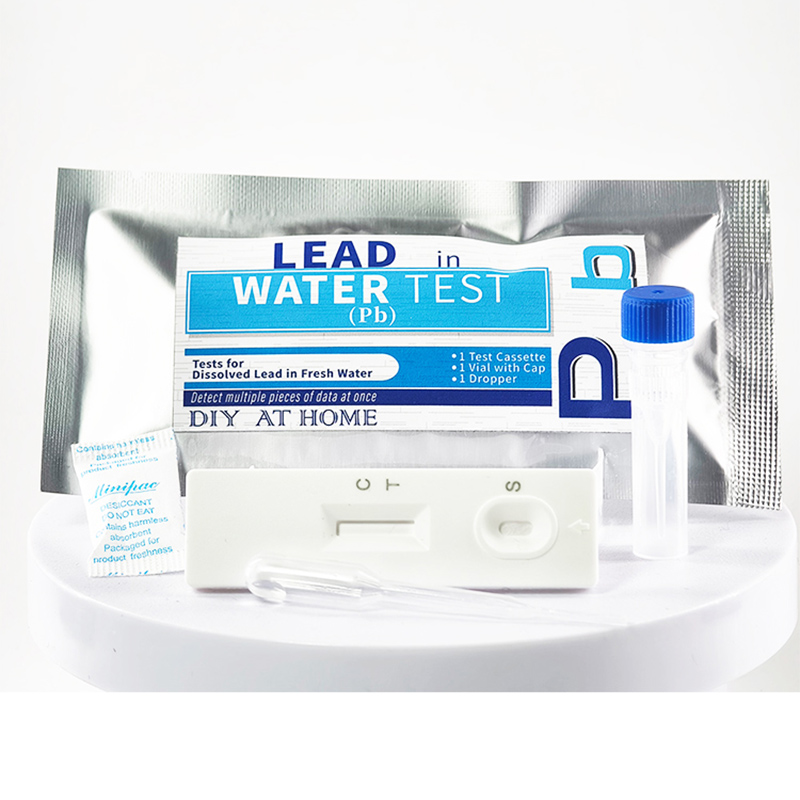
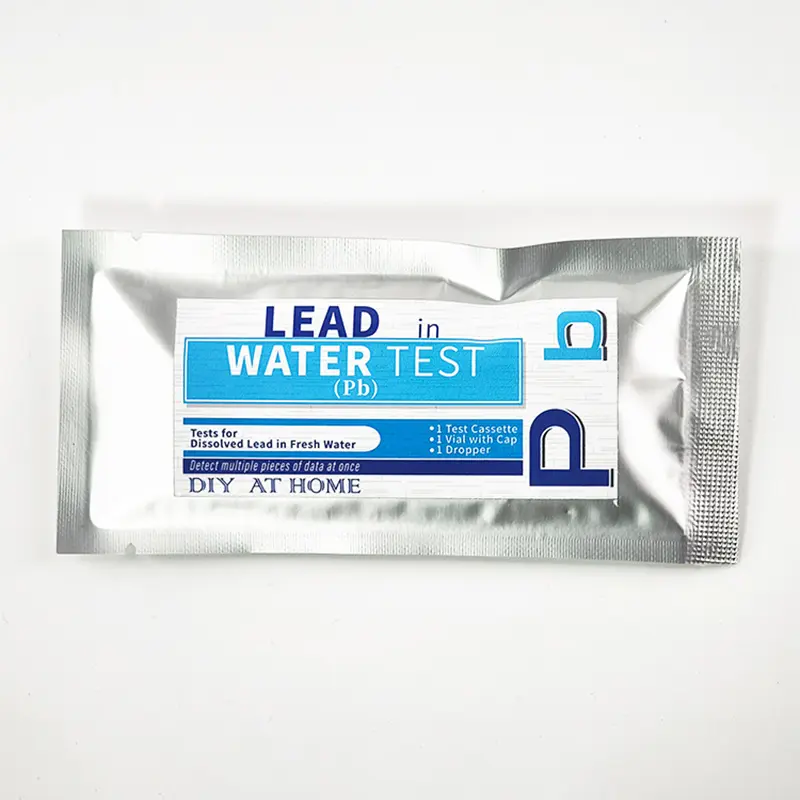
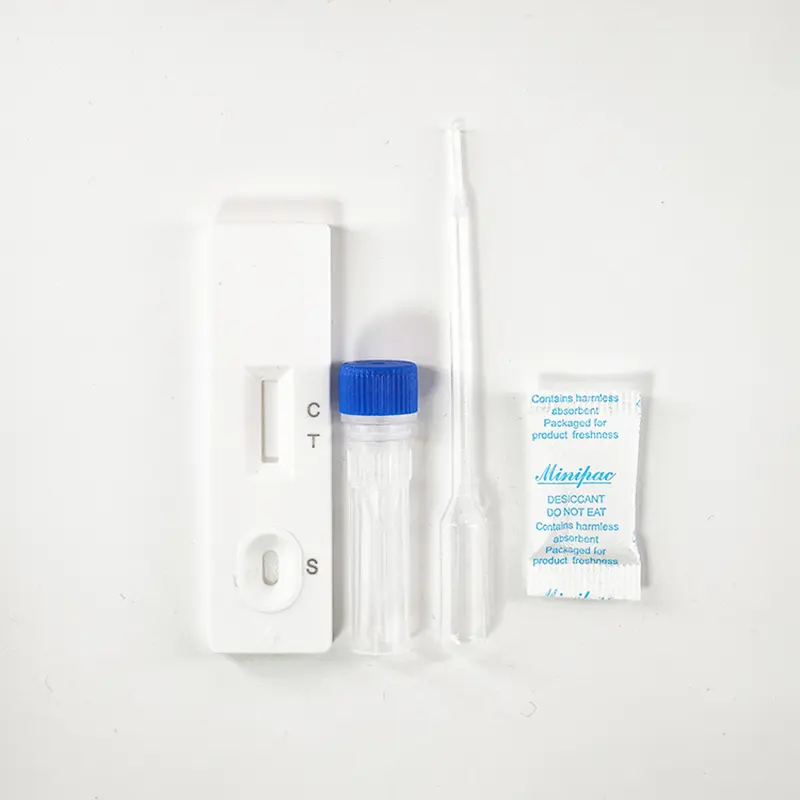
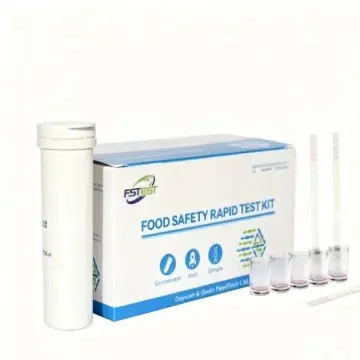
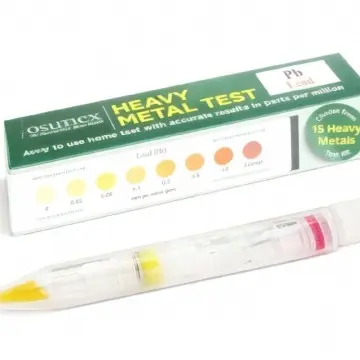
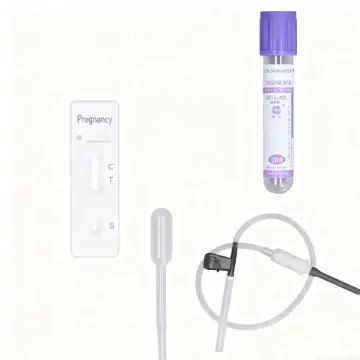
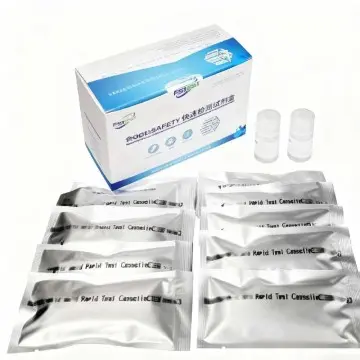
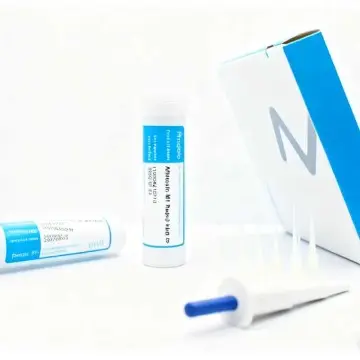
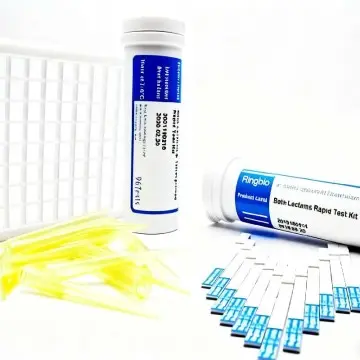
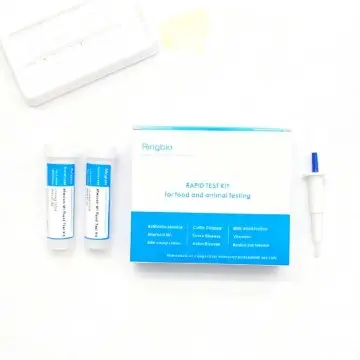
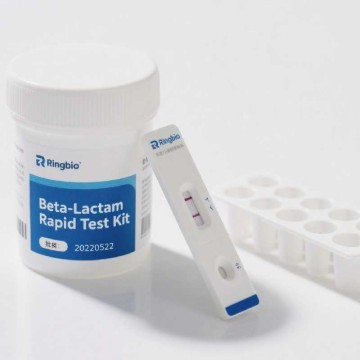
Heavy Metal Rapid Test Kit For Lead Test Kit, Arsenic Test Kit, Mercury Test Kit, Glyphosate Test Kit
Product Description
Where is Lead Found?
Lead can be found in all parts of our environment – the air, the soil, the water, and even inside our homes. Much of our exposure comes from human activities including the use of fossil fuels including past use of leaded gasoline, some types of industrial facilities and past use of lead-based paint in homes. Lead and lead compounds have been used in a wide variety of products found in and around our homes, including paint, ceramics, pipes and plumbing materials, solders, gasoline, batteries, ammunition and cosmetics.
Lead may enter the environment from these past and current uses. Lead can also be emitted into the environment from industrial sources and contaminated sites, such as former lead smelters. While natural levels of lead in soil range between 50 and 400 parts per million, mining, smelting and refining activities have resulted in substantial increases in lead levels in the environment, especially near mining and smelting sites.
When lead is released to the air from industrial sources or spark-ignition engine aircraft, it may travel long distances before settling to the ground, where it usually sticks to soil particles. Lead may move from soil into ground water depending on the type of lead compound and the characteristics of the soil.
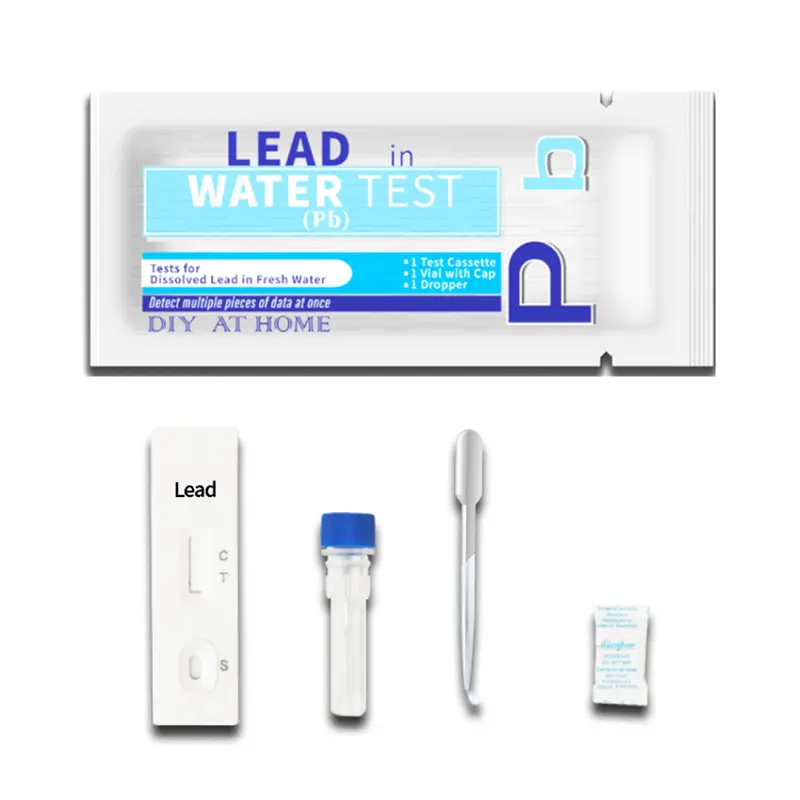
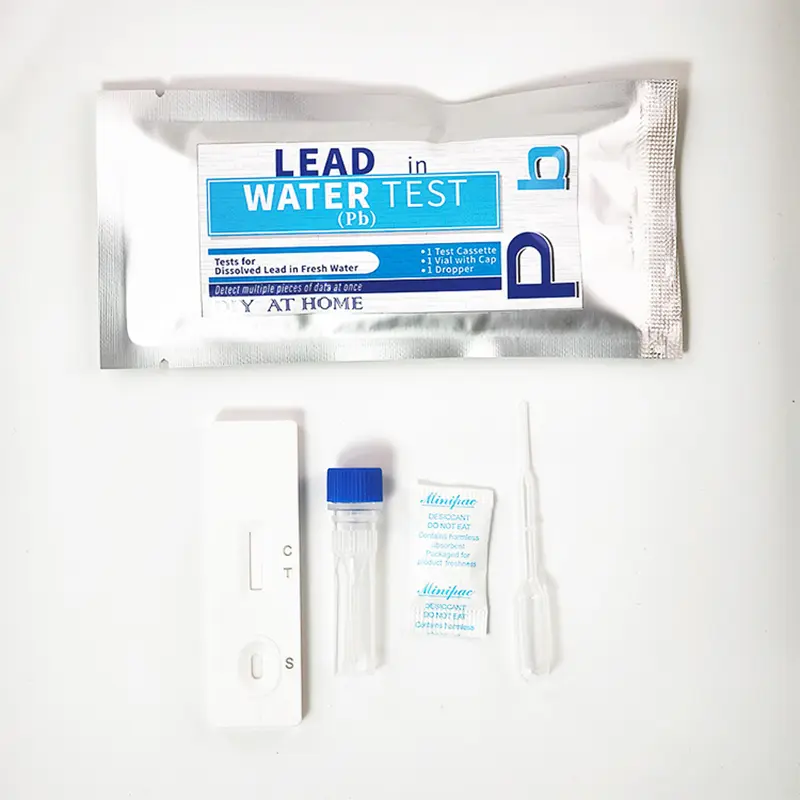
Our Lead Test Kit provided with sensitivity lower as 5PPB for drinking water test.
Test Procedure
1. Before conducting the test, read the instruction manual thoroughly. Take out the required number of test reagents from the kit and let them return to room temperature (20~25℃). Do not open the packaging bag of the test reagent until it has reached room temperature.
2. After both the test reagent and the sample to be tested have returned to room temperature (20~25℃), carefully open the packaging bag of the test reagent. Use the pipette to transfer 4 drops (about 120ul) of the sample to be tested into the reaction tube, shake gently to fully dissolve the powder in the tube (about 30—60s, extend dissolving time if the temperature is lower).
3. Once the powder in the tube is completely dissolved, use the pipette to take all the reagent from the reaction tube and slowly add it to the sample well of the test card, starting the timer.
4. Results should be interpreted within 5-10 minutes; interpretation beyond this time is invalid.