Inquiry
Form loading...

China Best Blood Sugar Test Manufacturers?

Choosing the China Best Blood Sugar Test Manufacturers requires more than comparing prices or product photos. Reliable selection begins with evidence, manufacturing discipline, and consistent performance in real homes and clinics. A trustworthy supplier should provide clear information about its glucose meters, test strips, lancets, calibration procedures, and quality-control records.

Accuracy comes first.

As diabetes technology expert Dr. David C. Klonoff has noted, “Accuracy is the most important characteristic of a glucose monitor.” This principle should guide every comparison. Buyers should examine ISO 15197 compliance, traceability of test materials, clinical evaluation data, and batch-to-batch consistency. A meter may look modern, yet its results are less useful if strips degrade in heat or humidity.

Strong Chinese manufacturers usually maintain documented quality systems, controlled production rooms, and responsive technical support. They may also offer private-label services, Bluetooth connectivity, small sample volumes, and packaging adapted for different markets. However, certification alone is not enough. Ask for recent test reports, stability data, sample shipments, and a clear explanation of after-sales procedures.

The details matter.

During evaluation, compare readings from several batches, not one convenient sample. Check whether instructions are understandable for older users. Confirm expiration dates and storage requirements. Review recall procedures before signing a long-term agreement.

No supplier is perfect. Even experienced buyers can overlook strip logistics or software compatibility. That is why careful verification remains essential. The best partner combines dependable Blood Sugar Test technology with transparent communication, practical training, and measurable quality over time.
China Best Blood Sugar Test Manufacturers?

Blood Sugar Testing in China: Products, Technologies, and Industry Scope

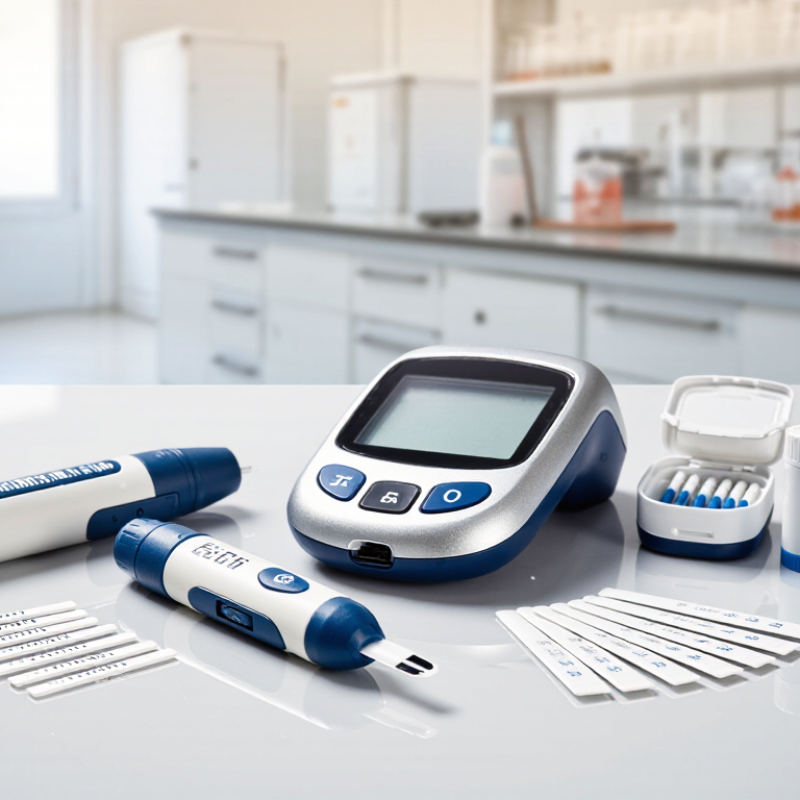
China’s blood sugar testing industry covers glucose meters, test strips, lancing devices, control solutions, and continuous monitoring systems. Products serve hospitals, pharmacies, clinics, home users, and overseas distributors. Many manufacturers support OEM and ODM projects, but production scale differs widely.

Electrochemical biosensors remain common in portable meters. They use a small blood sample and provide results within seconds. Newer systems may connect with mobile applications through Bluetooth. Factory evaluation should include strip consistency, calibration control, sample-volume requirements, and storage stability. ISO 13485-based quality systems can indicate structured production, but certification alone does not prove practical performance. Independent verification still matters.

Tips: Request recent test reports, sample batches, shelf-life data, and instructions in clear English. Check whether the manufacturer controls strip production or outsources it. Confirm technical support, complaint handling, and traceability procedures. A factory tour or live quality audit can reveal details that brochures omit. Do not judge reliability by price alone. I have found that simple meters may perform well, while advanced features sometimes add complexity without improving daily use. That point deserves careful review.
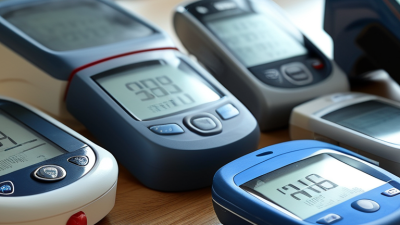

China Blood Sugar Testing Industry Scope

The estimated number of adults aged 20–79 living with diabetes in China increased from approximately 90.9 million in 2011 to 140.9 million in 2021 and is projected to reach 174.4 million by 2045. This expanding patient population supports demand for blood glucose meters, test strips, laboratory glucose testing, and continuous glucose monitoring technologies. Figures are based on estimates from the International Diabetes Federation Diabetes Atlas, 10th edition.

How to Evaluate Chinese Blood Sugar Test Manufacturers

Evaluating Chinese blood sugar test manufacturers requires more than comparing prices. The IDF Diabetes Atlas, 10th edition, estimated 537 million adults lived with diabetes in 2021. Demand is large. Reliability matters more.

Check whether the factory follows ISO 15197:2013 performance requirements. The standard expects at least 95% of results within ±15 mg/dL below 100 mg/dL, or ±15% at higher levels. Ask for recent verification reports, not old certificates. Request data from multiple production lots. One perfect sample proves little. Independent laboratory testing can reveal bias, weak strip stability, or inconsistent readings.

Audit the manufacturing details closely. Look for controlled temperature and humidity during strip production. Inspect calibration records, reagent storage, operator training, and lot traceability. A serious supplier should explain its quality-control checkpoints without hesitation.

The WHO report on diabetes emphasizes accurate diagnosis and sustained care, making meter consistency clinically important. Ask how the company handles complaints and field failures. Response time is evidence of maturity.

Do not rely only on a polished factory tour. Review sample results after transport, heat exposure, and storage. User testing also matters, especially for elderly people with limited vision. I would question unusually low quotations. They may reflect efficient production, but they may also hide weaker materials or support. Evaluate the evidence, then negotiate.

Leading Manufacturer Categories and Product Specializations

Choosing the best blood sugar test manufacturer depends on product category, clinical use, and quality control. The “best” supplier is rarely the largest one. It is the manufacturer that consistently matches technical needs with verified performance.

OEM and ODM manufacturers focus on customized meters, test strips, packaging, and software. They suit distributors seeking private-label solutions or regional specifications. In-vitro diagnostic specialists usually emphasize analytical accuracy, calibration systems, and batch traceability. Their products often support clinics, laboratories, and professional testing environments. Some manufacturers specialize in hospital-grade systems with data transfer, quality controls, and staff training materials. These details matter when many patient records must be managed.

Home-use manufacturers design simpler meters, lancets, compact carrying cases, and clear instructions. Their strengths include small blood samples, quick readings, and accessible displays. Continuous glucose monitoring manufacturers concentrate on sensors, transmitters, mobile applications, and wear-time performance. Each category requires different technical experience. A reliable evaluation should examine ISO 13485-based quality systems, independent validation, stability testing, complaint handling, and after-sales support. Ask for recent certificates and test reports. Do not trust polished brochures alone.

Product performance can change between batches. This is easy to overlook. Even experienced buyers should review strip storage conditions, calibration methods, and user error studies. Some manufacturers provide strong hardware but weak documentation. Others offer excellent engineering with limited regional support. That gap can affect real-world reliability.-

China Best Blood Sugar Test Manufacturers? - Leading Manufacturer Categories and Product Specializations
Manufacturer Category Primary Product Specialization Typical Product Formats Sample Type Typical Test Time Connectivity Options Key Quality and Compliance Focus Best-Fit Buyer Segment
Home Blood Glucose Meter Manufacturers Self-monitoring blood glucose meters for routine personal testing Meter, lancing device, lancets, test strips, control solution and carrying case Capillary whole blood from a fingertip Usually about 5–10 seconds, depending on the model and strip chemistry No connectivity, USB data export, Bluetooth or mobile-app synchronization Measurement accuracy, strip stability, meter-strip compatibility, ISO 15197 performance and electrical safety Retail distributors, pharmacies, e-commerce sellers and diabetes-care suppliers
Test Strip and Biosensor Specialists Electrochemical glucose test strips and disposable sensor components Standalone strips, strip vials, foil-packed strips and meter-compatible strip systems Small-volume capillary whole blood Commonly about 5–10 seconds after sample application Connectivity is generally provided by the compatible meter rather than the strip Enzyme formulation, electrode consistency, lot-to-lot uniformity, shelf life, humidity protection and packaging integrity Private-label programs, meter assemblers, diagnostic distributors and high-volume procurement teams
Private-Label and OEM/ODM Manufacturers Customized blood glucose monitoring systems for overseas or regional markets Customized casing, packaging, labeling, software interface, manuals and bundled accessories Usually capillary whole blood, subject to the selected platform Typically about 5–10 seconds for conventional systems Optional Bluetooth, USB, cloud platform or customized data-management interface Design transfer, verification and validation, traceability, change control, labeling compliance and technical documentation Importers, national distributors, pharmacy chains and healthcare brands requiring customized products
Connected Glucose Monitoring Manufacturers Smart meters and digital diabetes-management ecosystems Bluetooth-enabled meters, companion applications, automatic logs and trend reports Capillary whole blood for conventional connected meters Usually about 5–10 seconds for each meter reading Bluetooth Low Energy, USB, mobile applications and optional cloud synchronization Data integrity, cybersecurity, privacy protection, app compatibility, battery performance and usability validation Digital-health providers, telemedicine platforms, clinics and technology-focused distributors
Professional and Point-of-Care System Manufacturers Glucose testing systems for hospitals, clinics, laboratories and care facilities Professional meters, multi-user systems, control materials, docking stations and data-management software Capillary whole blood; some professional platforms support additional validated sample types Commonly about 5–15 seconds, depending on the platform Barcode scanning, wired data transfer, wireless networking and laboratory information system connectivity User management, operator training, quality-control records, infection prevention, traceability and applicable hospital requirements Hospitals, outpatient clinics, nursing facilities and institutional medical-supply contractors
Continuous Glucose Monitoring Manufacturers Wearable sensors that estimate glucose levels continuously or at frequent intervals Wearable sensor, reader or smartphone application, transmitter and adhesive accessories Interstitial fluid measured through a subcutaneous sensor Readings are generated at regular intervals rather than through a single finger-stick test Near-field communication, Bluetooth, mobile applications and cloud reporting Sensor accuracy, wear duration, biocompatibility, adhesion, alarm reliability, cybersecurity and clinical validation Diabetes clinics, digital-health channels, specialist distributors and users seeking trend information
Integrated Diabetes-Care Device Manufacturers Combined glucose monitoring, insulin-management or diabetes-recording solutions Meter-and-lancing kits, connected monitoring packages, medication logs and patient-management platforms Usually capillary whole blood for the glucose-meter component Generally about 5–10 seconds for conventional meter readings Bluetooth, USB, mobile applications, cloud dashboards and clinician portals System interoperability, software lifecycle management, usability, data protection and documented risk management Chronic-care programs, hospitals, health-management companies and integrated-care distributors
Export-Oriented Medical Device Manufacturers Blood glucose meters and strips designed for multiple international markets Standard products, multilingual packaging, market-specific kits and regulatory submission packages Usually capillary whole blood, based on the validated product configuration Commonly about 5–10 seconds for self-monitoring meter systems Optional Bluetooth, USB and market-specific software interfaces ISO 13485 quality systems, ISO 15197 performance, applicable electrical-safety standards, technical files, labeling and post-market surveillance Global importers, regional distributors, contract buyers and medical-device wholesalers
Product specifications are typical ranges for the listed manufacturer categories. Actual performance, regulatory status, sample requirements and connectivity depend on the specific validated product configuration and destination-market requirements.

Quality Standards, Certifications, and Manufacturing Capabilities

China Best Blood Sugar Test Manufacturers?

Quality Standards, Certifications, and Manufacturing Capabilities

Choosing a blood glucose meter manufacturer requires more than comparing prices. The IDF Diabetes Atlas, 11th edition, estimates that 589 million adults had diabetes in 2024. Demand is rising, so consistent quality matters. A reliable factory should operate under ISO 13485 for medical-device quality management. It should also provide traceable calibration records, controlled production rooms, and documented supplier audits.

ISO 15197:2013 defines important accuracy expectations. At least 95% of test results should fall within ±15 mg/dL below 100 mg/dL, or ±15% at higher glucose levels. At least 99% should meet the standard’s consensus error-grid requirements. Ask manufacturers for independent validation reports, not only internal test data. Production capability should cover strip coating, reagent dispensing, electronic assembly, software checks, and final batch release. I would inspect stability testing too. Heat and humidity can quietly damage strip performance.

Tips: Request recent ISO 13485 certificates and verify their issuing bodies. Review results from multiple glucose ranges and user groups. Check whether every batch has a unique lot number. Confirm complaint handling and recall procedures. A certificate alone is not enough. Factory visits reveal details that documents may miss, such as overcrowded workstations or weak humidity control. These issues are easy to overlook.

Selecting the Right Chinese Manufacturer for Your Market Needs

Selecting the Right Chinese Manufacturer for Your Market Needs

Choosing a Chinese blood sugar test manufacturer requires more than comparing unit prices. Your target market should guide every question. Check whether the factory understands your device classification, labeling rules, language requirements, and post-market obligations. A low quote can become expensive when documents arrive late.

Request evidence of a functioning quality management system, such as ISO 13485 certification, recent audit records, and batch traceability. Review production areas, not only the showroom. Look for controlled storage, clean assembly benches, calibrated testing equipment, and clear staff procedures. Ask how the manufacturer handles rejected strips, sensor variation, and customer complaints. Small details matter.

Test samples under different temperatures and humidity levels. Compare readings with a validated reference method. Ask for stability data, inspection records, and a realistic production schedule. Confirm who owns the technical file and how changes receive approval. Communication deserves testing too. Send a detailed question list and measure the response quality.

Be cautious with perfect answers. They may hide weak processes. A polished factory tour proves little by itself. In practical sourcing work, I have found that delayed certificates often predict delayed shipments. Still, no checklist is complete. Your local regulatory consultant should review the final evidence before purchase. That extra review may feel slow, but it protects patients, distributors, and your market reputation.