Top 10 Reasons Why You Need a Blood Test for Optimal Health
Regular health assessments are essential for maintaining optimal wellness, and blood tests play a crucial role in this process. According to the Centers for Disease Control and Prevention (CDC), over 68% of adults in the United States have at least one chronic condition, often undiagnosed until advanced stages. A comprehensive Blood Test can provide critical insights into one's health status, allowing for early detection and management of potential issues. In fact, studies show that timely blood screenings can lead to a reduction in disease progression by up to 30% through early intervention.
Furthermore, a report from the National Institutes of Health (NIH) emphasizes that blood tests are vital in monitoring health markers such as cholesterol, glucose levels, and vitamin deficiencies, which are crucial for assessing the risk of diseases like diabetes and cardiovascular conditions. Regularly scheduled Blood Tests can empower individuals to make informed health choices, facilitating preventive care that is more effective and cost-efficient in the long run. By understanding the underlying factors affecting their health, individuals can take charge of their well-being and improve their quality of life significantly.

Importance of Regular Blood Tests for Preventive Health Care
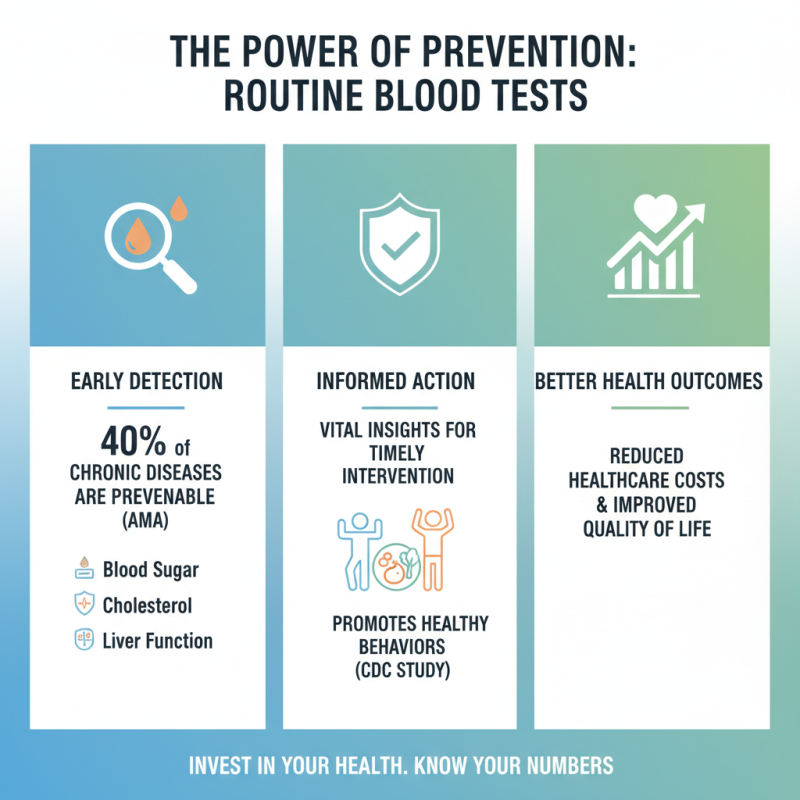
Regular blood tests play a critical role in preventive health care, providing insights that are essential for maintaining optimal health. According to the American Medical Association, approximately 40% of chronic diseases are preventable, and routine blood tests help in detecting these conditions early. Blood tests can reveal vital information about blood sugar levels, cholesterol, liver function, and more, allowing for timely interventions before more severe health issues develop. In a study conducted by the Centers for Disease Control and Prevention (CDC), individuals who regularly monitor their health through blood tests are significantly more likely to engage in preventive behaviors, leading to an overall reduction in healthcare costs and improved quality of life.
**Tips:** Schedule a blood test at least once a year as part of your routine health check. Also, consider discussing with your healthcare provider what specific tests might be most beneficial based on your age, gender, and family history. Monitoring trends over time can give you greater insight into your health.
In addition to detecting potential health issues, regular blood testing can lead to lifestyle changes that improve overall well-being. The National Institutes of Health (NIH) notes that understanding markers such as lipid profiles and glucose levels empowers individuals to make informed dietary and exercise choices. This proactive approach not only aids in managing existing conditions but also enhances the opportunity for long-term health maintenance.
**Tips:** Keep a personal health record of your blood test results, noting any changes or concerns, and share this information with your healthcare provider to tailor your health strategy effectively. Engage in discussions about the findings during your appointments to better understand their implications for your health.
Understanding the Key Indicators Monitored in Blood Tests
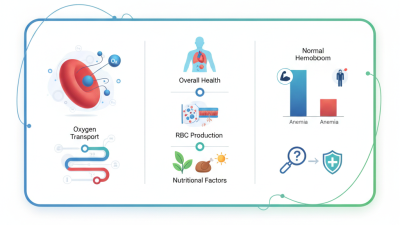
Blood tests play a crucial role in monitoring various key indicators related to your health. One of the primary components assessed is the complete blood count (CBC), which evaluates the levels of red and white blood cells, as well as platelets. This analysis helps identify conditions such as anemia, infections, and even certain blood disorders. Additionally, the CBC can provide insights into your immune system’s functionality, helping to pinpoint potential underlying health issues early on.
Another important indicator monitored in blood tests is the metabolic panel, which measures glucose levels, electrolytes, and kidney function markers. These results are essential for understanding how well your body is balancing fluids, electrolytes, and waste. Furthermore, lipid profiles assess cholesterol and triglyceride levels, which are vital for evaluating heart health and the risk of cardiovascular diseases. By focusing on these key indicators, blood tests empower individuals to make informed decisions about their health and lifestyle, ensuring optimal well-being.
How Blood Tests Help Identify Nutritional Deficiencies
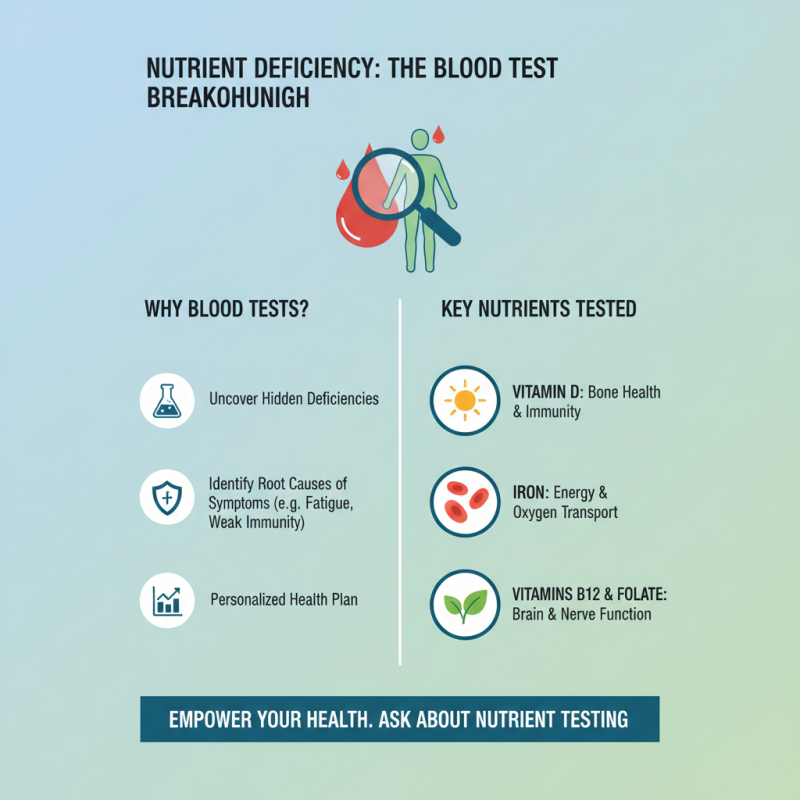
Blood tests play a crucial role in identifying nutritional deficiencies that can significantly impact your overall health. By analyzing various components of your blood, healthcare providers can pinpoint specific deficiencies in vitamins and minerals that may not be immediately apparent through symptoms alone. For instance, low levels of vitamin D or iron can lead to fatigue, weakened immunity, and an increased risk of chronic diseases. A blood test provides a comprehensive overview of your nutritional status, allowing for tailored dietary or supplementation recommendations.
Moreover, detecting nutritional deficiencies early through blood testing can prevent more severe health issues down the line. Many individuals may not realize they are lacking essential nutrients until they experience considerable health challenges. Regular blood tests can serve as a proactive measure, helping you to maintain optimal health by addressing deficiencies before they escalate. By understanding your body’s specific needs, you can make informed choices about your diet and lifestyle, ultimately enhancing your quality of life.
The Role of Blood Tests in Managing Chronic Conditions
Blood tests play a crucial role in the management of chronic conditions, helping both patients and healthcare providers monitor health status and adjust treatments accordingly. For instance, according to the Centers for Disease Control and Prevention (CDC), nearly 60% of adults in the U.S. live with at least one chronic condition, such as diabetes or heart disease. Regular blood testing can provide essential data on blood glucose levels, cholesterol, and other critical biomarkers that indicate a patient’s health trajectory. This data allows for timely interventions, potentially reducing hospitalizations and improving long-term health outcomes.
Moreover, the World Health Organization (WHO) emphasizes that effective management of chronic illnesses often involves ongoing assessment through blood tests. For example, a study published in the Journal of the American Medical Association indicates that consistent monitoring of hemoglobin A1c levels in patients with diabetes can lead to a 25% reduction in the risk of complications. These tests not only help in tracking disease progression but also empower patients to engage in proactive health management, underscoring the profound impact that regular testing can have on optimizing overall health.
Benefits of Early Detection of Diseases through Blood Testing
Early detection of diseases through blood testing offers numerous benefits that can significantly impact long-term health outcomes. According to the Centers for Disease Control and Prevention (CDC), screening through blood tests can identify conditions such as diabetes and high cholesterol well before they develop into serious health issues. For instance, a study published in the Journal of the American Medical Association reported that yearly blood screenings could detect prediabetes in up to 35% of the population who were unaware of their condition, allowing for timely interventions that could prevent the progression to type 2 diabetes.
Additionally, blood tests can play a critical role in monitoring markers for conditions like cardiovascular disease and certain types of cancer. The American Heart Association emphasizes that lipid panels, which evaluate cholesterol levels, are essential in assessing heart disease risk. Moreover, the American Cancer Society notes that markers found in blood tests can aid in the early detection of cancers—such as prostate-specific antigen (PSA) for prostate cancer—potentially leading to an increase in survival rates. Early detection through regular blood testing not only facilitates prompt treatment but can also reduce overall medical costs by avoiding advanced-stage treatments. Therefore, incorporating blood tests into routine health assessments is a vital strategy for maintaining optimal health and preventing serious illnesses.
Top 10 Reasons Why You Need a Blood Test for Optimal Health
This chart illustrates the top reasons for blood testing and their significance in early disease detection. Regular blood tests can reveal critical health insights.

 +86-18343147735
 Email
Email WhatsApp