What Is a Normal FBS Blood Test Result?
A Fbs Blood Test measures blood glucose after at least eight hours without food. It helps clinicians assess glucose regulation and identify possible diabetes risk. The American Diabetes Association’s Standards of Care in Diabetes—2025 defines a normal fasting plasma glucose result as below 100 mg/dL, or 5.6 mmol/L. A result from 100 to 125 mg/dL suggests prediabetes, while 126 mg/dL or higher may indicate diabetes when confirmed through repeat testing or another accepted diagnostic test. These ranges are useful, but they are not the whole story.
The Centers for Disease Control and Prevention’s National Diabetes Statistics Report, 2024, estimates that 38.4 million Americans had diabetes in 2021. About 8.7 million adults were undiagnosed. That figure shows why a normal-looking result should not replace regular medical evaluation, especially when thirst, frequent urination, fatigue, or blurred vision appears. One blood sample can look reassuring.
Preparation matters. Water is generally allowed, but coffee, juice, food, and sweetened medicines may affect the reading. Stress, illness, poor sleep, and some medications can also shift glucose levels. Pregnancy, anemia, and certain medical conditions may require different testing approaches.
A “normal” result is a guide, not a guarantee. I would avoid interpreting one number alone. Your clinician should review the laboratory value, symptoms, medical history, and possibly an A1C or oral glucose tolerance test. Reference ranges may vary slightly between laboratories, so the printed report still deserves careful attention.
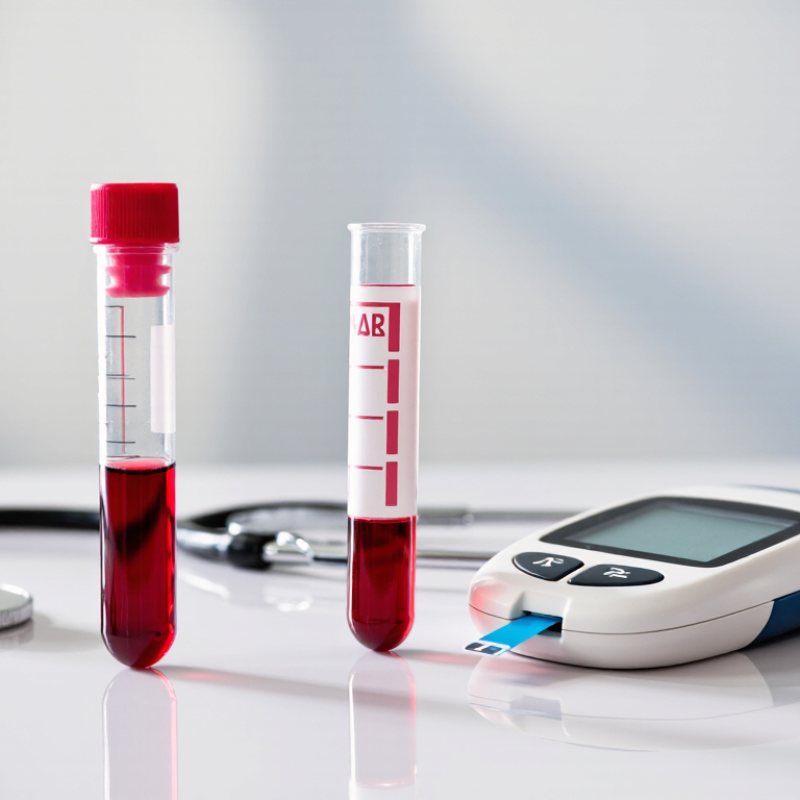
What Is a Fasting Blood Sugar (FBS) Test?
What Is a Normal FBS Blood Test Result?
A fasting blood sugar (FBS) test measures glucose after you avoid food and caloric drinks overnight. Most adults fast for 8 to 12 hours before the blood sample. Plain water is usually allowed. Ask your healthcare professional about medicines, because some treatments may affect the result or fasting instructions.
For many laboratories, a normal fasting glucose level is 70–99 mg/dL, or 3.9–5.5 mmol/L. A result from 100–125 mg/dL may indicate prediabetes. A result of 126 mg/dL or higher can suggest diabetes, but one test does not confirm a diagnosis. Clinicians usually repeat the test or use another approved test. Ranges may differ slightly between laboratories. Stress, poor sleep, illness, and unusual exercise can also change glucose levels. It is easy to overread one number. That mistake deserves attention.
Tips:
Eat your usual meals before the fasting period. Do not exercise heavily that morning. Bring a list of medicines and supplements. If you feel dizzy, sweaty, or weak during fasting, tell the testing staff immediately. A healthcare professional should interpret your result with your symptoms, medical history, and other tests.
What Blood Sugar Levels Are Considered Normal?
What Is a Normal FBS Blood Test Result?
For most nonpregnant adults, a normal fasting blood sugar level is below 100 mg/dL, or 5.6 mmol/L. Fasting means avoiding food and calorie-containing drinks for at least eight hours before testing. Plain water is usually acceptable. A result from 100 to 125 mg/dL, or 5.6 to 6.9 mmol/L, falls within the prediabetes range. A result of 126 mg/dL, or 7.0 mmol/L, or higher may indicate diabetes, but healthcare professionals usually confirm it with repeat testing.
The number alone does not tell the whole story. A late meal, poor sleep, illness, stress, or unusual exercise can influence morning glucose. Even a small change in testing conditions may affect the result. A single reading can mislead. Blood sugar levels considered normal may also differ during pregnancy, childhood, or with certain medical conditions. Pregnancy uses lower diagnostic thresholds, so those results require specific clinical guidance.
If your fasting result seems higher than expected, write down the time of your last meal and any symptoms. Increased thirst, frequent urination, blurred vision, or unexplained weight loss deserve prompt medical attention. Discuss repeated abnormal results with a qualified healthcare professional. They may review an A1C test, medication use, family history, and other risk factors before making an assessment. Percentage cutoffs help, but context matters.
What Is a Normal FBS Blood Test Result? - What Blood Sugar Levels Are Considered Normal?
| Fasting Blood Sugar (FBS) Category |
Glucose Level (mg/dL) |
Glucose Level (mmol/L) |
What the Result Usually Means |
Typical Follow-Up |
| Normal fasting blood sugar |
Below 100 mg/dL |
Below 5.6 mmol/L |
Usually indicates that fasting glucose is within the normal reference range. |
Continue routine health care and follow the testing schedule recommended by a healthcare professional. |
| Prediabetes range |
100–125 mg/dL |
5.6–6.9 mmol/L |
Higher-than-normal fasting glucose that may indicate an increased risk of developing type 2 diabetes. |
Discuss repeat testing, lifestyle changes, and additional tests such as an A1C test with a healthcare professional. |
| Diabetes range |
126 mg/dL or higher |
7.0 mmol/L or higher |
May indicate diabetes, but a single result is generally confirmed with repeat testing unless clear symptoms or other diagnostic results are present. |
Arrange prompt medical evaluation and confirmatory testing as advised by a healthcare professional. |
| Low fasting blood sugar |
Below 70 mg/dL |
Below 3.9 mmol/L |
May be considered low, particularly when symptoms such as shakiness, sweating, confusion, dizziness, or weakness are present. |
Seek medical advice about possible causes and treatment, especially if episodes recur or symptoms are severe. |
How to prepare: A fasting blood sugar test generally requires no food or caloric drinks for at least 8 hours before the blood sample. Plain water is usually permitted, but follow the specific instructions provided by your healthcare professional.
How Are FBS Results Classified by Range?
Fasting blood sugar, or FBS, is measured after at least eight hours without food. Water is usually acceptable. The American Diabetes Association’s Standards of Care 2025 classifies fasting plasma glucose below 100 mg/dL (5.6 mmol/L) as normal. The result should be interpreted with the testing method and clinical context.
The prediabetes range is 100–125 mg/dL (5.6–6.9 mmol/L). Diabetes is suggested at 126 mg/dL (7.0 mmol/L) or higher. Usually, a healthcare professional confirms diabetes with a repeat laboratory test, unless clear symptoms or other abnormal results are present. A home glucose meter can show useful patterns, but it does not establish a diagnosis by itself.
One result can mislead. Sleep loss, acute illness, stress, dehydration, and some medicines may affect fasting glucose. A careful clinician may compare FBS with an A1C test or an oral glucose tolerance test. The Centers for Disease Control and Prevention’s National Diabetes Statistics Report estimates that 115.9 million U.S. adults had prediabetes in 2021, showing why borderline results deserve attention. Still, ranges are not personal verdicts. Pregnancy uses different thresholds, and older adults may need individualized interpretation. I would question any confident conclusion based on one borderline number.
What Is a Normal FBS Blood Test Result?
Fasting blood sugar (FBS) classification after at least 8 hours without eating
Normal: 70–99 mg/dL (3.9–5.5 mmol/L)
Prediabetes: 100–125 mg/dL (5.6–6.9 mmol/L)
Diabetes range: 126 mg/dL or higher (7.0 mmol/L or higher)
FBS results are usually interpreted with other clinical information. A diabetes-range result generally requires confirmation with repeat testing or another approved diagnostic test. The diabetes bar is visually capped at 200 mg/dL for chart display.
What Factors Can Affect an FBS Test Result?
A fasting blood sugar (FBS) test measures glucose after no food for about eight to twelve hours. In many laboratories,
70–99 mg/dL (3.9–5.5 mmol/L)
is considered typical for adults. Results from
100–125 mg/dL
may suggest prediabetes, while
126 mg/dL or higher
often requires repeat testing. One reading alone does not confirm a diagnosis.
Several everyday details can shift the result. Eating late, drinking a sweet beverage, or fasting for too long may change the number. Plain water is usually allowed, but
coffee, tea, chewing gum, and smoking
can interfere with some testing instructions. Hard exercise the night before may lower glucose, while poor sleep, emotional stress, fever, infection, or pain can raise it. The body is not perfectly predictable.
Medicines also matter. Steroids, some diuretics, and diabetes medicines may affect blood sugar. Never stop prescribed treatment without medical advice. A difficult blood draw, delayed sample processing, or different laboratory methods can create small variations. Home meters may also differ from laboratory results. Tell the healthcare professional about recent illness, sleep, exercise, and all medicines. It is easy to overinterpret one number. Repeat testing may be more informative.
When Should Abnormal FBS Results Be Discussed with a Doctor?
What Is a Normal FBS Blood Test Result?
When Should Abnormal FBS Results Be Discussed with a Doctor?
A fasting blood sugar (FBS) test measures glucose after at least eight hours without food. The American Diabetes Association’s Standards of Care in Diabetes—2025 defines normal fasting glucose as below 100 mg/dL (5.6 mmol/L). A result from 100 to 125 mg/dL suggests prediabetes. A reading of 126 mg/dL or higher may indicate diabetes, but diagnosis usually requires repeat laboratory testing.
Discuss an abnormal result with a doctor, especially after two separate elevated readings. Do not diagnose yourself from one home-meter result. The easy mistake is trusting a single number. Poor sleep, illness, stress, dehydration, or certain medicines can temporarily change glucose levels. A clinician may repeat the test or order an A1C test, which reflects average glucose over several months.
Contact a doctor sooner if fasting glucose remains above 125 mg/dL, or if you notice unusual thirst, frequent urination, blurred vision, or unexplained weight loss. Low readings also matter. The ADA classifies glucose below 70 mg/dL as clinically important hypoglycemia, particularly with shaking, sweating, confusion, or weakness. Severe symptoms require urgent medical attention. Pregnancy uses different thresholds, so pregnant patients should seek individualized advice. The CDC’s National Diabetes Statistics Report, 2024 estimates that 97.6 million U.S. adults have prediabetes, making follow-up more than a technical formality.

 +86-18343147735
 Email
Email WhatsApp