Inquiry
Form loading...

What Is a Hemoglobin Blood Test and What Does It Show?

A Hemoglobin Blood Test is a simple laboratory measurement with important clinical meaning. It estimates the amount of hemoglobin circulating in your blood. Hemoglobin is the iron-rich protein that carries oxygen from your lungs to your tissues. Results usually appear in grams per deciliter, often within a complete blood count (CBC).

The World Health Organization’s 2021 estimates indicate that anemia affects about 30% of women aged 15–49 worldwide. The estimate rises to approximately 37% among pregnant women. These figures explain why hemoglobin testing remains common in primary care, pregnancy monitoring, emergency medicine, and preoperative assessment. It can help identify anemia, dehydration-related concentration changes, or patterns requiring further testing. It cannot explain every cause by itself.

One number does not tell the whole story. Age, sex, pregnancy, altitude, hydration, smoking status, and laboratory reference ranges can influence interpretation. A low result may relate to iron deficiency, blood loss, chronic disease, vitamin deficiency, or inherited conditions. A high result also needs context. The National Heart, Lung, and Blood Institute and MedlinePlus recommend interpreting blood results alongside symptoms, medical history, and additional tests.

That context matters.

A tired person with pale skin may have anemia, but fatigue can have many causes. Conversely, some people with abnormal hemoglobin levels feel completely well. This guide explains what the test measures, how clinicians read the result, and when follow-up testing may be appropriate. It also highlights a common limitation: reference ranges differ, and “normal” is not always a complete answer.
What Is a Hemoglobin Blood Test and What Does It Show?

What Is Hemoglobin and Why Is It Measured?

What Is Hemoglobin and Why Is It Measured?

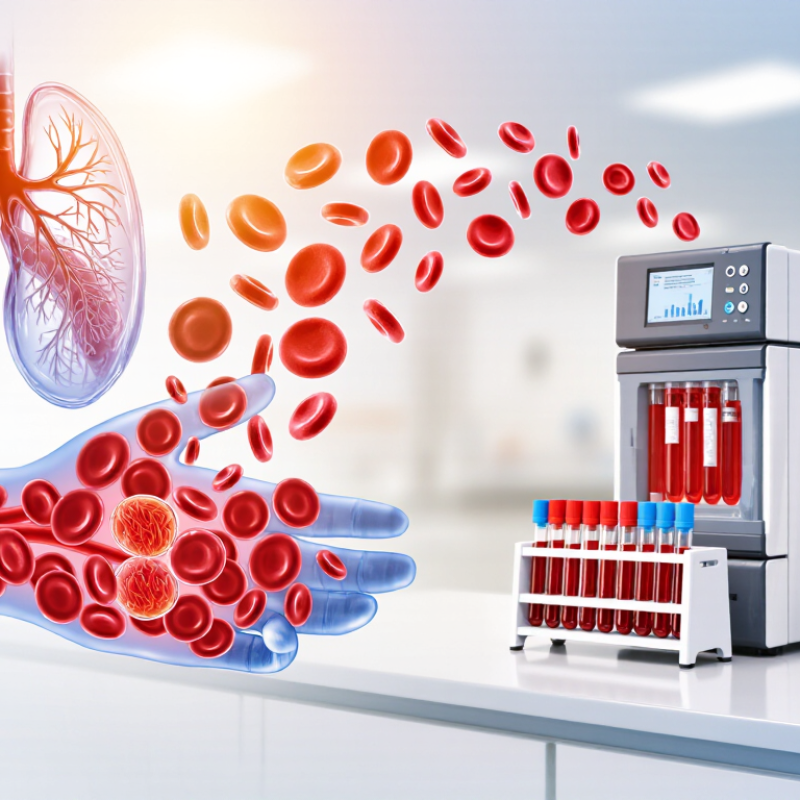
Hemoglobin is a protein inside red blood cells. It contains iron and gives blood its deep red color. More importantly, it carries oxygen from your lungs to muscles, organs, and tissues. It also helps return carbon dioxide to the lungs for removal.

A hemoglobin blood test measures the amount of this protein in a specific blood sample. Healthcare professionals often include it in a complete blood count. The result can provide clues about anemia, dehydration, blood loss, or certain medical conditions. A low level may relate to iron deficiency, vitamin deficiencies, chronic illness, or bleeding. A high level can occur with dehydration, smoking, lung disease, or living at high altitude. However, one number rarely explains the whole situation. Age, pregnancy, sex, altitude, symptoms, and laboratory ranges all matter. Results should be interpreted by a qualified healthcare professional.
Tips

Ask whether your result is low, high, or within the laboratory’s reference range.
Bring a list of medicines, supplements, and recent symptoms.
Do not start iron supplements based on one result alone.
A normal hemoglobin level may still miss other health concerns, so follow-up testing can sometimes be appropriate.
Preparation is usually simple, although instructions may differ when other blood tests are ordered.
Hydration can also influence some results. Small details matter.

How a Hemoglobin Blood Test Is Performed

What Is a Hemoglobin Blood Test and What Does It Show?

How a Hemoglobin Blood Test Is Performed

A hemoglobin blood test measures the oxygen-carrying protein inside red blood cells. Healthcare professionals often request it during a routine check or when symptoms suggest anemia. Fatigue, pale skin, shortness of breath, and dizziness may provide useful clues, but they do not confirm a diagnosis.

The procedure usually takes only a few minutes. A trained healthcare professional checks your identity and explains the test. They may ask about medicines, bleeding, pregnancy, or recent illness. You sit with your arm supported, while an elastic band tightens around the upper arm. The skin is cleaned with antiseptic. Then, a small needle enters a vein, commonly near the inside of the elbow. Blood flows into a labeled tube.

You may feel a quick pinch.

After removing the needle, the professional presses gauze over the site. Keep pressure there for several minutes to reduce bleeding. A small bruise, mild soreness, or brief dizziness can occur. Tell the professional immediately if you feel faint. Most people return to normal activities soon afterward, although individual instructions may differ.

The laboratory reports hemoglobin in a standard measurement. Results must be compared with the laboratory’s reference range, because age, sex, pregnancy, altitude, and health conditions can affect interpretation. One number rarely explains everything. I would not treat an abnormal result as a diagnosis without clinical assessment and possibly further testing.

What Hemoglobin Levels Reveal About Health

A hemoglobin blood test measures the oxygen-carrying protein inside red blood cells. The result is usually reported in grams per liter (g/L) or grams per deciliter (g/dL). It can reveal anemia, dehydration, bleeding, or conditions that increase red blood cell production. However, hemoglobin is only one health signal. A laboratory’s reference range, age, pregnancy status, altitude, and smoking history can change interpretation.

The World Health Organization’s 2024 guideline defines anemia in non-pregnant adults as hemoglobin below 120 g/L for women and below 130 g/L for men. Pregnancy uses different thresholds. Even a modest reduction may accompany fatigue, headaches, pale skin, or shortness of breath, but some people notice nothing. Symptoms are not always reliable.

A low result does not prove iron deficiency. It may reflect blood loss, inflammation, vitamin B12 deficiency, inherited blood conditions, or kidney disease. Ferritin, mean corpuscular volume, reticulocyte count, and medical history often clarify the pattern. High hemoglobin can occur with dehydration, prolonged high-altitude exposure, lung disease, or sleep-related breathing problems. One number can mislead.

The Centers for Disease Control and Prevention notes that complete blood count testing helps assess anemia and other blood abnormalities. Clinicians should compare results over time, not react to one isolated value. A repeat test may be sensible when the result conflicts with symptoms or recent illness. Ranges are guides, not diagnoses.

What Is a Hemoglobin Blood Test and What Does It Show? - What Hemoglobin Levels Reveal About Health

Test Result or Health Context Typical Hemoglobin Level What It May Indicate Important Considerations
Adult males 13.8–17.2 g/dL
138–172 g/L
A commonly used reference interval for oxygen-carrying capacity in adult males. Ranges may differ by laboratory, altitude, age, smoking status, and hydration level.
Adult females 12.1–15.1 g/dL
121–151 g/L
A commonly used reference interval for adult females who are not pregnant. Menstrual blood loss, pregnancy, recent illness, and nutritional status can affect results.
Pregnancy Anemia is commonly defined as:
<11.0 g/dL in the 1st or 3rd trimester
<10.5 g/dL in the 2nd trimester
Lower values may reflect iron-deficiency anemia or the normal expansion of blood plasma during pregnancy. Pregnancy-specific ranges and clinical context should be used; iron treatment should be guided by a healthcare professional.
Children Age-specific ranges apply; approximately 11–16 g/dL for many school-age children Hemoglobin normally changes with age and development. Infants, toddlers, adolescents, and children living at high altitude require different reference intervals.
Low hemoglobin Below the laboratory's lower reference limit May indicate anemia, which can reduce the blood's oxygen-carrying capacity. Possible causes include iron deficiency, vitamin B12 or folate deficiency, blood loss, kidney disease, inflammation, inherited blood disorders, or bone marrow problems.
Mildly low hemoglobin Slightly below the reference interval May be associated with tiredness, weakness, reduced exercise tolerance, dizziness, or no symptoms at all. Additional tests such as red blood cell indices, ferritin, iron studies, vitamin levels, and kidney function may help identify the cause.
Very low hemoglobin Significantly below the reference interval May represent more serious anemia and can place additional strain on the heart and other organs. Urgent medical assessment may be needed, especially with chest pain, shortness of breath, fainting, rapid heartbeat, or active bleeding.
High hemoglobin Above the laboratory's upper reference limit May reflect dehydration, prolonged exposure to high altitude, smoking, low blood oxygen, or increased red blood cell production. Persistent elevation may require evaluation for lung or heart disease, sleep-related breathing disorders, or less common blood disorders.
Hemoglobin A1c Reported as a percentage, not g/dL Reflects average blood glucose over approximately the previous 2–3 months. It is a different test from the standard hemoglobin measurement and may be affected by anemia or altered red blood cell lifespan.

Reference ranges vary among laboratories and may be adjusted for age, sex, pregnancy, altitude, and other health factors. Hemoglobin results should be interpreted together with the complete blood count, symptoms, medical history, and other relevant tests.

How Hemoglobin Test Results Are Interpreted

A hemoglobin blood test measures the protein that carries oxygen through red blood cells. Its result is usually reported in grams per deciliter (g/dL). Interpretation depends on the laboratory’s reference range, age, sex, pregnancy status, and altitude.

A low hemoglobin level may suggest anemia, but it does not identify the cause. Iron deficiency, blood loss, vitamin deficiencies, inflammation, or inherited conditions can contribute. A high result may occur with dehydration, smoking, lung disease, or prolonged exposure to high altitude. Symptoms matter too. Fatigue, pale skin, dizziness, headaches, or shortness of breath can provide useful context.

One number is not the whole story.

Clinicians often compare hemoglobin with hematocrit, red blood cell count, and cell-size measurements. They may also review previous results, diet, medications, bleeding history, and chronic conditions. A result slightly outside the range may not signal disease, while a rapid change deserves closer attention. Interpretation is not perfectly tidy. Testing conditions, hydration, and laboratory differences can affect results. A qualified healthcare professional should explain unusual findings and decide whether repeat testing or further evaluation is appropriate.

Tips: Read the unit and reference range beside your result. Compare it with earlier tests, if available. Do not diagnose yourself from one value. Mention heavy menstrual bleeding, recent illness, pregnancy, or dietary changes during your appointment. Ask what the result means for you personally.

Factors That Can Affect Hemoglobin Measurements

What Is a Hemoglobin Blood Test and What Does It Show?

Factors That Can Affect Hemoglobin Measurements

A hemoglobin blood test measures the protein that carries oxygen through your red blood cells. The result may help clinicians assess anemia, dehydration, or other health concerns. However, one number rarely explains the complete picture. A laboratory report may also show the red blood cell count, hematocrit, and cell size. Reference ranges can differ by age, sex, pregnancy status, altitude, and laboratory methods.

Hydration can change the result. Drinking very little water may make hemoglobin appear higher because the blood becomes more concentrated. Heavy fluid intake may have the opposite effect. Recent exercise, smoking, living at high altitude, menstruation, pregnancy, and blood loss can also influence measurements. Iron, vitamin B12, and folate levels matter too. Infection, inflammation, kidney problems, and some inherited conditions may affect hemoglobin production. Even sample collection and storage can introduce small variations. These details are easy to overlook.

Tips: Follow your clinician’s instructions before testing. Tell them about pregnancy, recent bleeding, supplements, and major lifestyle changes. Avoid comparing results from different laboratories without professional guidance. If a result seems unexpected, ask whether repeat testing is appropriate. Do not interpret the value alone. Trends and symptoms often provide more useful information. A single test can be informative, but it is not infallible.

What Is a Hemoglobin Blood Test and What Does It Show?

A hemoglobin blood test measures the amount of hemoglobin in the blood, reported in grams per deciliter (g/dL). The ranges below are typical adult reference intervals; laboratories may use slightly different ranges.

Hemoglobin results can be influenced by age, sex, pregnancy, menstrual blood loss, altitude, smoking, hydration status, recent illness, and medical conditions. Dehydration, smoking, and living at high altitude may raise the measured concentration, while pregnancy and excess fluid may lower it through plasma-volume changes. Results should be interpreted with the laboratory’s reference range and the person’s clinical context.