Fbs Blood Test Best Practices for Accurate Diabetes Screening?
Diabetes is a growing health concern globally, with over 537 million adults affected, according to the International Diabetes Federation. Accurate screening is essential for early detection and management. The Fbs Blood Test, or fasting blood sugar test, plays a crucial role in identifying prediabetes and diabetes. This test measures blood glucose after fasting for at least eight hours, providing reliable data.
Industry reports highlight the importance of adhering to best practices for the Fbs Blood Test. For instance, the American Diabetes Association emphasizes having a clear protocol, including patient preparation to avoid inaccurate results. Accurate fasting conditions are vital, as even minor deviations can skew the test. Nonetheless, many healthcare providers overlook these details, impacting diagnostic accuracy.
Reflecting on the implementation of these practices reveals areas for improvement. While some facilities have established protocols, inconsistencies remain. Training staff on best practices can help minimize errors and enhance patient care. Understanding the significance of the Fbs Blood Test and addressing these gaps can lead to better diabetes outcomes. Reliable testing is a cornerstone of effective diabetes management, but it requires ongoing commitment and education.
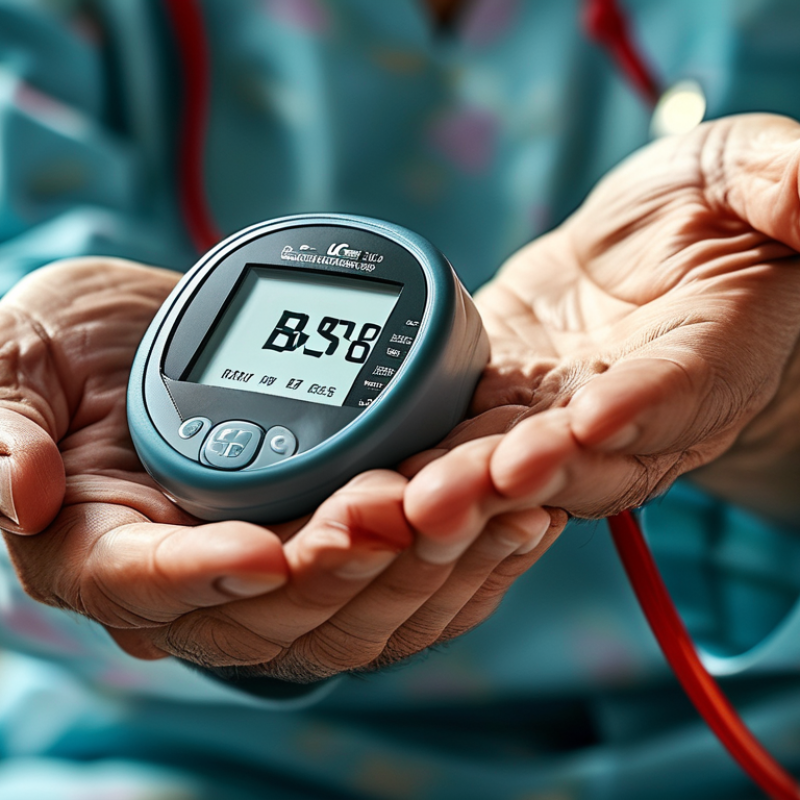
Understanding Fasting Blood Sugar (FBS) Test Basics
Understanding the Fasting Blood Sugar (FBS) test is crucial for effective diabetes screening. This test measures the level of sugar in your blood after fasting for at least eight hours. Typically, a blood sample is taken in the morning. It's simple yet powerful for assessing glucose metabolism.
When preparing for the FBS test, hydration is key. Drinking water is usually encouraged, but food intake must be strictly avoided. Some may find it challenging to fast overnight. Discomfort can arise from hunger or anxiety about results. Reflecting on these feelings can help ease stress.
Accurate results from the FBS test rely on proper technique. Ensure that the blood sample is drawn under hygienic conditions. Any contamination or errors in the testing procedure can lead to misleading results. Remember, it's essential to discuss the results with a healthcare professional. They can interpret the data effectively and suggest further actions. This communication helps in making informed decisions about health management.
Fasting Blood Sugar (FBS) Levels for Accurate Diabetes Screening
Importance of FBS Test in Diabetes Screening
The Fasting Blood Sugar (FBS) test plays a crucial role in diabetes screening. This test measures blood glucose levels after fasting for at least eight hours. It provides a snapshot of how well the body manages sugar. Elevated FBS levels can indicate prediabetes or diabetes. Early detection can help manage or even reverse the condition.
Conducting the FBS test correctly is essential for accurate results. Patients should avoid food and drink except for water. Timing matters, too; consistent test conditions improve reliability. Healthcare professionals must ensure that patients understand these guidelines. Misunderstandings can lead to incorrect diagnoses. Many are unaware of how lifestyle factors, like stress and illness, affect results.
Moreover, it’s important for healthcare providers to interpret results within a broader context. One elevated reading doesn’t confirm diabetes. Follow-up tests are necessary. This approach emphasizes a holistic view of health. Physicians should encourage regular screenings, especially for at-risk populations. Education is key in fostering better health outcomes.
Best Practices for Preparing for an FBS Test
Preparing for a fasting blood sugar (FBS) test is crucial for accurate diabetes screening. First, fasting for at least eight hours before the test is essential. This means avoiding food and drinks, except for water. Many people overlook this simple step. It’s easy to think a light snack won’t matter, but even a small amount of food can skew the results.
Hydration is also key. Drinking enough water before the test can facilitate blood draw. Staying hydrated helps blood flow, making it easier for the technician. Some might forget to drink enough water, leading to a more challenging experience. Also, inform your healthcare provider about any medications you take. Certain medications can affect blood sugar levels. Open communication can prevent confusion during the testing process.
Consider scheduling your test in the morning. This timing minimizes the likelihood of hunger interfering with your fast. It also aligns well with most people's routines. Avoid vigorous exercise before the test, as it might temporarily lower your blood sugar in an unnatural way. Each detail matters when it comes to ensuring reliable results.
Interpreting FBS Results: What Do They Mean?
Fasting blood sugar (FBS) tests are crucial for screening diabetes. The results indicate how well your body manages glucose.
A normal FBS level ranges from 70 to 99 mg/dL. Values between 100 and 125 mg/dL suggest prediabetes. A reading of 126 mg/dL or higher confirms diabetes. However, interpreting these results requires context. Factors like stress, illness, or medication can influence outcomes.
It's essential to understand that one test is not definitive. A follow-up test might be necessary for an accurate diagnosis. Identifying lifestyle factors is equally important. Your diet, exercise habits, and even sleep quality play roles in blood sugar management. Monitoring these can help clarify your health situation.
There is also room for error. Variations in lab equipment can lead to different results. Personal circumstances vary widely; what works for one person may not work for another. Engaging with healthcare professionals can provide deeper insights. They can guide you through understanding your FBS results better. Being proactive about your health is vital. Reflect on lifestyle choices that affect your readings. This awareness fosters a holistic approach to managing your well-being.
Common Mistakes to Avoid When Taking the FBS Test
An Fasting Blood Sugar (FBS) test is crucial for diagnosing diabetes. But many individuals make common mistakes that can lead to inaccurate results. One significant error is not fasting long enough. The standard fasting period is at least eight hours before the test. Some think they can shorten this. Often, they eat late at night and don't realize it affects their readings.
Another mistake involves avoiding specific foods prior to the test. High-sugar or high-carbohydrate meals can skew results. Many people might believe a light snack is harmless. In reality, even small amounts can impact blood sugar levels. Hydration is essential, but excessive water intake may dilute results.
Timing is also vital. Taking the test at random hours during the day can introduce variability. Blood sugar levels fluctuate significantly post-meals. It’s crucial to adhere to a consistent schedule. In essence, paying attention to these details can lead to more reliable outcomes from the FBS test. Reflecting on these habits is vital for better health management.
Fbs Blood Test Best Practices for Accurate Diabetes Screening
| Best Practices |
Common Mistakes |
| Fast for at least 8 hours before the test |
Eating or drinking anything except water before the test |
| Schedule the test in the morning |
Choosing an inconvenient time that may affect results |
| Stay hydrated with water prior to the test |
Consuming sugary drinks or beverages |
| Inform your doctor about all medications |
Failing to disclose supplements or medications taken |
| Perform the test at a lab with experienced staff |
Using unverified at-home testing kits |

 +86-18343147735
 Email
Email WhatsApp