Essential Tips for Interpreting Your Blood Test Results Effectively
Interpreting blood test results is a crucial aspect of managing one's health, providing insights into various bodily functions and early detection of potential medical conditions. According to a report by the Centers for Disease Control and Prevention (CDC), approximately 10 billion blood tests are conducted each year in the United States, emphasizing their significance in preventive care and chronic disease management. Despite the abundance of data generated from these tests, many patients find it challenging to effectively understand and interpret their results, which can lead to anxiety and confusion.
The key to navigating your blood test results lies in comprehending the essential biomarkers that the tests measure, such as glucose levels, cholesterol ratios, and liver enzymes. Research by the National Institutes of Health (NIH) indicates that only 33% of patients possess a clear understanding of their blood test outcomes, which underscores the need for education and guidance in this area. Empowering patients with the knowledge to interpret blood test data not only fosters a sense of ownership over their health but also encourages informed discussions with healthcare providers. By employing effective strategies to decode blood test information, individuals can take proactive steps toward achieving optimal health outcomes.

Understanding the Basics of Blood Test Results
Understanding the basics of blood test results is crucial for making informed decisions about your health. Blood tests offer a window into your body’s functioning, allowing healthcare providers to assess levels of nutrients, hormones, and other substances. According to the Mayo Clinic, common tests such as Complete Blood Count (CBC) and Basic Metabolic Panel (BMP) provide fundamental information about your overall health. For instance, a CBC can reveal conditions like anemia or infection, while a BMP can indicate issues with electrolytes or kidney function.
To interpret your results effectively, start by familiarizing yourself with the reference ranges provided with your test results. These ranges, which can vary slightly between laboratories, serve as benchmarks that help identify whether your levels fall within the normal limits.
Tip 1: Always consult with your healthcare provider to discuss your test results in detail; they can provide context and address any concerns.
Tip 2: Keep a record of your tests over time, as trends can be more revealing than a single result.
By understanding the fundamentals and discussing them with a professional, you can empower yourself to take charge of your health more confidently.
Essential Tips for Interpreting Your Blood Test Results Effectively
This bar chart represents the typical reference ranges for key components in a standard blood test. Understanding these values can help you interpret your results effectively.
Key Components of Blood Tests: What to Look For
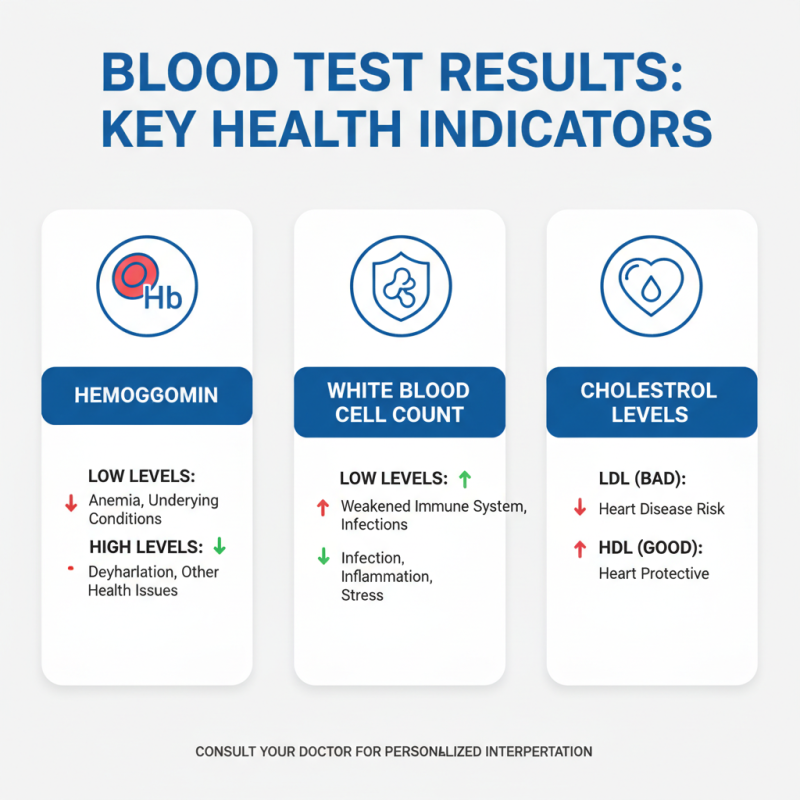
When interpreting blood test results, it's crucial to focus on key components that provide insights into your overall health. Commonly tested elements include hemoglobin, white blood cell count, and cholesterol levels. Hemoglobin levels indicate your red blood cell count and can reveal anemia or other underlying conditions if they are too low. On the other hand, elevated levels may suggest dehydration or other health issues.
White blood cell (WBC) counts are essential for assessing your immune system's functionality. A high WBC count can signal infection, inflammation, or stress, whereas a low count may indicate bone marrow problems or autoimmune diseases. Additionally, lipid panels measure cholesterol levels—both LDL (bad cholesterol) and HDL (good cholesterol). Monitoring these figures is vital for understanding your cardiovascular health and risk for heart disease. By paying close attention to these key components, you can gain valuable insights and facilitate informed discussions with your healthcare provider about necessary lifestyle changes or treatments.
Interpreting Common Blood Test Metrics and Their Meanings
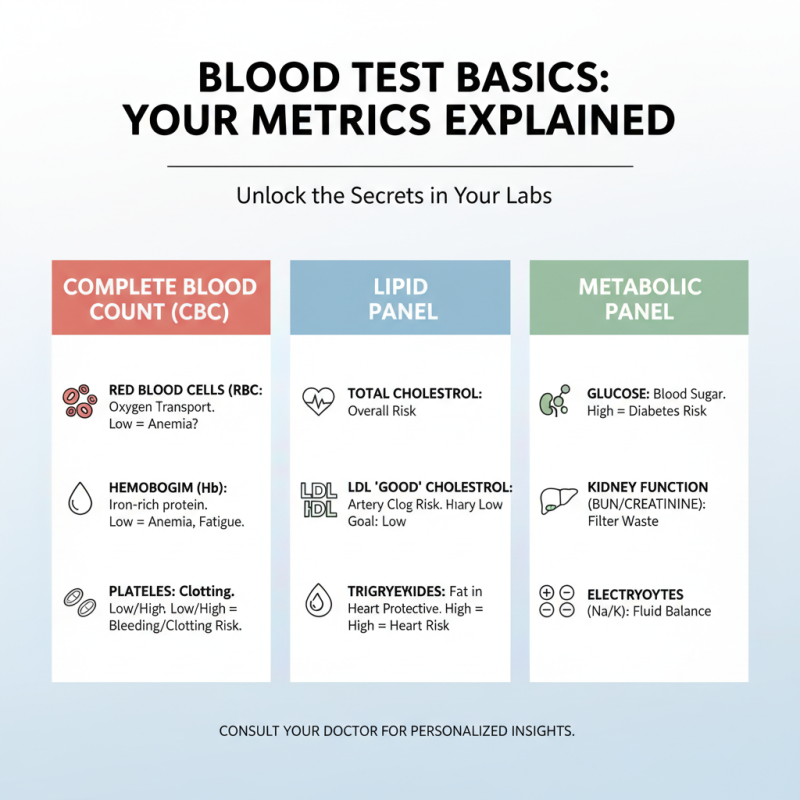
Interpreting blood test results can often feel overwhelming, but understanding common metrics can demystify the process. Key components such as Complete Blood Count (CBC), lipid panels, and metabolic panels provide valuable insights into overall health. The CBC measures red and white blood cells, hemoglobin, and platelets, which collectively indicate potential anemia, infections, or blood clotting disorders. Low hemoglobin levels might suggest anemia, while elevated white blood cells could signal an ongoing infection.
Lipid panels are crucial for assessing cardiovascular health, measuring cholesterol levels—including LDL (bad cholesterol) and HDL (good cholesterol)—and triglycerides. Understanding these values can help you gauge your risk of heart disease. For instance, high LDL levels may prompt dietary changes or medication to lower cholesterol levels. Metabolic panels, including comprehensive metabolic panels (CMP), assess electrolyte levels, kidney function, and overall metabolic health. Elevated glucose levels in a CMP might indicate a risk for diabetes, while abnormal kidney markers could signal other underlying issues. Familiarizing yourself with these metrics empowers you to engage in informed discussions with your healthcare provider about your health.
Factors That Can Influence Blood Test Results
Chronic venous insufficiency (CVI), a condition recently diagnosed in former President Trump, showcases how various factors can notably influence blood test results. Age and overweight are significant risk factors associated with CVI, particularly in individuals over 70, underscoring the need for routine monitoring in older populations. Blood tests may reveal abnormalities such as elevated pressure in the veins of the legs, which can contribute to symptoms like swelling and bruising, as experienced by Trump.
Additionally, lifestyle choices, such as smoking, have been linked to accelerated aging and certain blood abnormalities. Recent advancements in artificial intelligence and deep learning have enabled researchers to better understand these correlations by analyzing biochemical markers in smokers, thus providing insights into how these factors affect overall health. Such findings contribute to the understanding of how personal and environmental factors can influence blood test interpretations, emphasizing the importance of consulting healthcare professionals for accurate assessment and management of conditions like CVI.
Essential Tips for Interpreting Your Blood Test Results Effectively - Factors That Can Influence Blood Test Results
| Factor |
Impact on Results |
Recommendation |
| Diet |
Can alter levels of glucose, cholesterol, and triglycerides. |
Avoid eating a few hours before testing, particularly for fasting blood tests. |
| Hydration |
Dehydration can concentrate blood components, skewing results. |
Drink plenty of water before testing unless instructed otherwise. |
| Medications |
Certain drugs can affect liver function tests, cholesterol levels, etc. |
Inform your doctor about all medications, including over-the-counter ones. |
| Stress |
Can elevate cortisol levels and affect glucose measurements. |
Try to remain calm and relaxed before the test. |
| Physical Activity |
Intense exercise can temporarily raise creatinine and CK levels. |
Avoid vigorous exercise in the days leading up to the test. |
| Sleep |
Lack of sleep can affect hormone levels and lipid profiles. |
Ensure adequate sleep before the test. |
When to Consult a Healthcare Professional About Your Results
Understanding blood test results can be overwhelming, but knowing when to consult a healthcare professional is crucial for your health. If any results come back abnormal or outside the normal range, it’s essential to reach out to your doctor. They can provide context and explain what these numbers mean for your specific health situation. This is especially important for tests related to critical health markers such as cholesterol levels, blood sugar, and liver function.
Additionally, if you experience any symptoms that align with your test results—such as persistent fatigue, unexplained weight loss, or changes in mood—it's advisable to seek professional advice. These signs can help your healthcare provider make informed decisions about further testing or treatment options.
To interpret your blood test results effectively, consider keeping a health diary that tracks symptoms, medications, and lifestyle changes. This information can be invaluable during consultations with your healthcare provider. Also, don’t hesitate to ask your doctor questions about the significance of each result; understanding your blood work can empower you to take charge of your health proactively.

 +86-18343147735
 Email
Email WhatsApp