Why Do You Need a Blood Test for Your Health and What to Expect
A blood test is an essential tool in the realm of healthcare, providing critical insights into an individual's overall health and well-being. By analyzing various components of blood, medical professionals can assess the functioning of vital organs, identify potential diseases, and monitor ongoing health conditions. Understanding the reasons behind the necessity of a blood test blood analysis is paramount for anyone seeking to maintain or improve their health. This common yet vital procedure not only aids in early detection of health issues but also allows for tailored treatment plans based on the unique biochemical makeup of each patient.
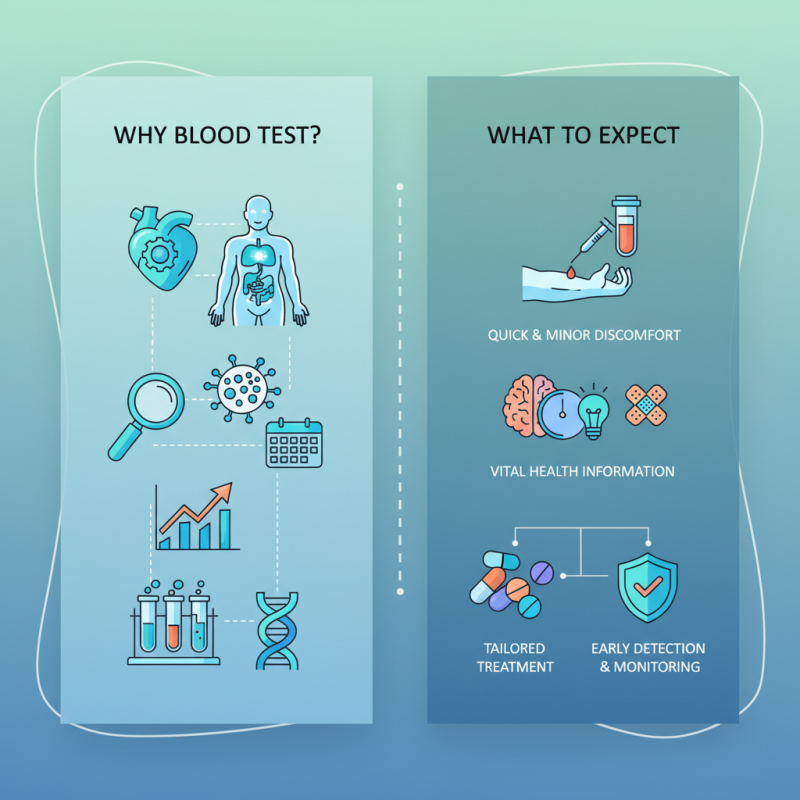
When you prepare for a blood test, it is natural to have questions about what to expect during the process. The experience typically involves a simple procedure where a healthcare professional draws a small sample of blood for testing. Patients may feel a brief moment of discomfort, but the benefits of obtaining vital health information far outweigh this minor inconvenience. In the following sections, we will delve deeper into the various types of blood tests, the information they provide, and how they contribute to a comprehensive understanding of your health, ensuring you are well-informed and prepared for your next blood test blood appointment.
The Importance of Blood Tests in Preventive Health Care
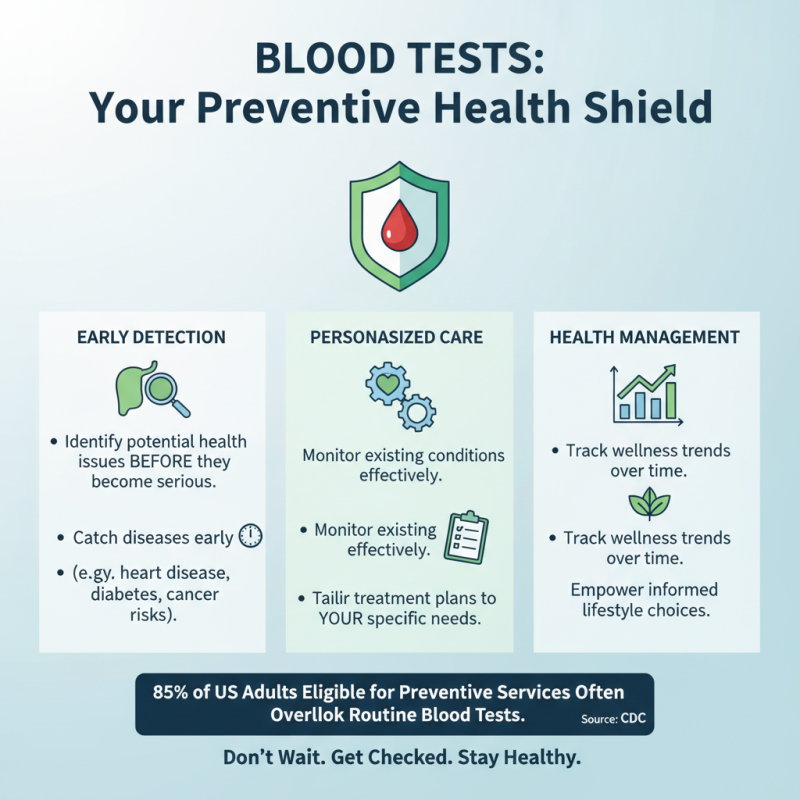
Blood tests play a crucial role in preventive health care, serving as a cornerstone for early disease detection and ongoing health management. According to a report by the Centers for Disease Control and Prevention (CDC), nearly 85% of adults in the U.S. are eligible for at least one preventive service, yet many overlook the importance of routine blood tests. These tests not only help identify potential health issues before they become serious but also allow healthcare providers to monitor existing conditions and effectively personalize treatment plans.
Additionally, blood tests can provide valuable insights into various health metrics such as cholesterol levels, blood sugar levels, and vitamin deficiencies. The American Heart Association highlights that regular lipid profile screenings can reduce cardiovascular disease risk by up to 30%, emphasizing the necessity of proactive health measures. Moreover, data from a study published in the Journal of Clinical Pathology indicates that approximately 70% of clinical decisions are based on laboratory test results. By understanding your body’s unique biochemistry through blood analysis, you can make informed decisions about lifestyle adjustments and preventative treatments, ultimately leading to improved health outcomes.
Types of Blood Tests and Their Specific Purposes
Blood tests are essential tools in modern medicine, serving a variety of specific purposes that can help diagnose health conditions, monitor existing diseases, and evaluate overall health. Some common types of blood tests include complete blood count (CBC), which assesses overall health and detects a range of disorders; metabolic panel, which provides information about your body's chemical balance; and lipid panel, which measures cholesterol levels. Each of these tests offers valuable insights that can guide healthcare decisions.
When preparing for a blood test, it’s important to consider a few tips to ensure accurate results. First, always follow your healthcare provider's instructions regarding fasting or dietary restrictions prior to the test. This preparation can significantly influence the outcomes. Additionally, staying well-hydrated can make it easier for the technician to draw your blood, reducing discomfort and ensuring a smoother process.
After your blood test, it's beneficial to discuss the results with your healthcare provider. This conversation can clarify any abnormalities and help you understand what lifestyle changes, if any, might be necessary. Keeping track of your blood test history can also play a crucial role in monitoring your health over time, allowing for early intervention if changes are detected.
Types of Blood Tests and Their Specific Purposes
This chart illustrates the most common types of blood tests and their specific purposes. Understanding these tests can help you make informed decisions about your health.
What to Expect Before, During, and After a Blood Test
Before undergoing a blood test, preparation is key to ensuring accurate results. Your healthcare provider may advise you to fast for a certain number of hours or to avoid specific medications. It’s essential to communicate any concerns or conditions you may have. This allows the technician to explain the procedure in detail, setting your mind at ease. Arriving well-hydrated is also crucial; drinking enough water can make the process smoother by making your veins more accessible.
During the blood test itself, you can expect a simple procedure that usually lasts just a few minutes. A healthcare professional will clean the area on your arm where the blood will be drawn, typically using an alcohol swab. They will then insert a needle into your vein to collect a sample. While some might feel a brief pinch or discomfort, it usually passes quickly. After the blood is collected, a bandage is applied to the site.
Post-test, you may be advised to rest for a few minutes, especially if you felt light-headed during the process. It's normal to experience some minor bruising or tenderness at the puncture site. Results from your blood test may take a few days to a week, depending on the tests conducted, and your healthcare provider will review them with you to discuss any next steps or necessary actions for your health.
Why Do You Need a Blood Test for Your Health and What to Expect
| Aspect |
Details |
| Purpose |
Assess overall health, diagnose conditions, monitor diseases, and check organ function. |
| Types of Tests |
Complete blood count (CBC), lipid panel, liver function tests, and thyroid function tests. |
| Preparation |
May require fasting for 8-12 hours; drink water unless otherwise instructed. |
| What to Expect During |
A healthcare professional will clean the skin, apply a tourniquet, and insert a needle to draw blood. |
| Duration |
Typically 5-10 minutes. |
| Post-Test Care |
Apply pressure to the site; avoid heavy exercise for 24 hours. |
| Results Timeline |
Results may take a few hours to a few days, depending on the tests performed. |
| Follow-up |
Consult with your healthcare provider to discuss results and potential next steps. |
Interpreting Blood Test Results: A Guide for Patients
Interpreting blood test results is essential for understanding your overall health. Blood tests can provide valuable insights into a wide range of conditions, from nutritional deficiencies to chronic diseases. According to the American Clinical Laboratory Association, more than 70% of medical decisions are based on laboratory test results. Understanding these results can empower patients to take control of their health and make informed decisions alongside their healthcare providers.
When you receive your blood test results, it’s crucial to pay attention to key markers such as cholesterol levels, glucose, and liver function tests. For instance, the American Heart Association reports that nearly half of adults have cholesterol levels above the recommended limit, which is a significant risk factor for heart disease. Familiarizing yourself with what constitutes normal versus abnormal ranges for these indicators can help you better comprehend your health status.
Tips: Always discuss your results with your healthcare provider to understand the context, as normal ranges can vary based on age, sex, and medical history. Additionally, consider keeping a personal health record of your results over time to track changes and trends that may require further investigation. Remember, knowledge is power; being informed about your health can lead to proactive management and prevention of potential issues.
Common Myths and Misconceptions About Blood Tests
Blood tests are essential tools in modern healthcare, yet several myths and misconceptions continue to circulate around them.
One common belief is that blood tests are only necessary when a person feels ill. In reality, studies indicate that many serious health conditions, such as
diabetes and high cholesterol, can develop without obvious symptoms. The Centers for Disease Control and Prevention (CDC)
reports that early diagnosis through routine blood work can reduce the risk of severe complications and improve treatment outcomes.
Another misconception is that blood tests are always painful and invasive, leading some to avoid them. While it's true that traditional blood draws involve needles,
advancements in technology have introduced less invasive options such as fingerstick tests, which can be just as effective for screening certain conditions.
According to a report by the National Institutes of Health, the majority of patients express minimal discomfort during blood collection,
and the health benefits far outweigh the temporary discomfort associated with the procedure.
Educating the public on these aspects can encourage proactive health management and foster a more informed approach to personal healthcare.

 +86-18343147735
 Email
Email WhatsApp