Top 10 In Vitro Diagnostic Trends You Need to Know in 2023
In recent years, the field of In Vitro Diagnostic (IVD) has witnessed remarkable advancements that continue to reshape the landscape of healthcare. As technological innovations and scientific understanding progress, the emphasis on precision, efficiency, and patient-centered approaches has never been greater. In 2023, staying informed about the top trends in IVD is essential for healthcare professionals, researchers, and industry stakeholders alike. These trends not only enhance diagnostic capabilities but also contribute to the overarching goals of personalized medicine and improved patient outcomes.
This exploration of the top ten IVD trends will highlight significant developments such as the integration of artificial intelligence, the rise of point-of-care testing, and advancements in molecular diagnostics. Furthermore, we will examine how regulatory changes and the growing demand for rapid testing solutions are influencing the market. As the IVD landscape continues to evolve, understanding these trends will equip professionals with the knowledge necessary to adapt to changes and leverage the latest technologies, ultimately benefiting patient care and public health. Whether you are involved in clinical laboratories, research and development, or healthcare administration, these insights into In Vitro Diagnostic trends will be invaluable in navigating an increasingly complex and dynamic environment.

Emerging Technologies in In Vitro Diagnostics for 2023
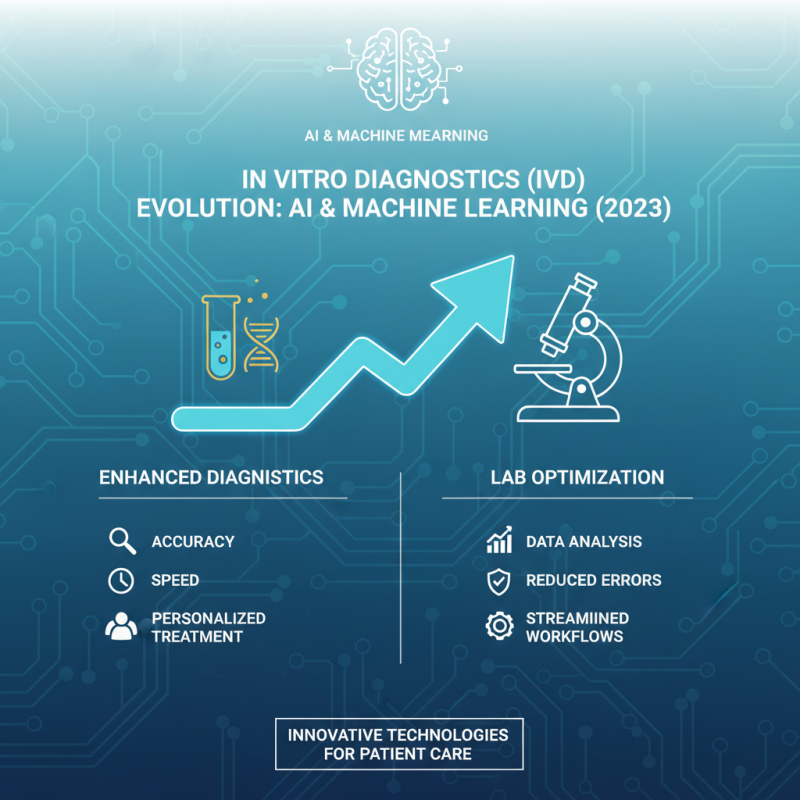
The landscape of in vitro diagnostics (IVD) is rapidly evolving, driven by innovative technologies that aim to enhance patient care and improve diagnostic accuracy. In 2023, one of the most exciting trends is the rise of artificial intelligence (AI) and machine learning within the diagnostic process. These technologies are being integrated into laboratory workflows to analyze vast amounts of data, providing clinicians with insights that were previously unattainable. By harnessing AI, labs can streamline processes, reduce human errors, and ultimately deliver faster and more personalized treatment options.
Another key development is the increasing use of point-of-care testing (POCT), which allows for diagnostics to be performed at or near the site of patient care. This technology not only reduces the time taken for results but also enhances accessibility, especially in remote or underserved areas. The innovations in microfluidics are paving the way for miniature devices capable of performing complex tests with minimal sample volumes. This trend is likely to transform how diagnostic testing is approached, emphasizing rapid, reliable results that can aid in timely medical decision-making. The convergence of these emerging technologies is setting the stage for a new era in in vitro diagnostics, promising a more efficient and effective healthcare delivery system.
Shift Towards Personalized Medicine in Diagnostic Testing
The shift towards personalized medicine in diagnostic testing has emerged as a defining trend in the in vitro diagnostic landscape in 2023. This paradigm shift centers on tailoring medical decisions, practices, and products to the individual characteristics of each patient. By leveraging advanced technologies and genetic insights, healthcare professionals can now better predict patient responses to treatments, enabling more effective and targeted therapies.
As we move forward, diagnostic tests are increasingly designed to encompass a holistic view of patient health, taking into account genetic profiles, lifestyle, and environmental factors. This personalized approach not only enhances the accuracy of diagnostics but also improves patient outcomes by minimizing trial-and-error in treatment plans. With the integration of artificial intelligence and machine learning, the analysis of complex datasets enables the discovery of patterns that were previously obscured, further refining the precision of diagnostic results.
Moreover, this trend fosters greater patient engagement and empowerment, as individuals are encouraged to take an active role in their healthcare journeys. By understanding their unique biological makeup, patients can make more informed decisions regarding their health, leading to a proactive rather than reactive approach to disease management. This evolution towards personalized diagnostics represents a significant leap forward, promising to transform not only how we diagnose diseases but also how we approach patient care as a whole.
Integration of Artificial Intelligence in Diagnostic Processes
The integration of artificial intelligence (AI) in in vitro diagnostic (IVD) processes is transforming the landscape of healthcare by enhancing accuracy, efficiency, and speed.
AI algorithms can now analyze vast amounts of data from diagnostic tests, identifying patterns and anomalies that may be missed by human interpretation. This technological advancement is not only improving diagnostic precision but also allowing for earlier detection of diseases, leading to better patient outcomes. By leveraging AI, clinicians can obtain insights that guide treatment decisions and improve personalized medicine approaches.
Tips for incorporating AI in diagnostics:
- Foster collaboration between IT and clinical teams to ensure seamless integration of AI tools into existing workflows.
- Prioritize data quality, as AI performance is heavily dependent on the quality of the input data.
- Regular training sessions for healthcare professionals can enhance familiarity with AI tools, ultimately leading to more precise diagnostic processes.
Moreover, staying updated on AI advancements is crucial, as the field is rapidly evolving. Engaging with ongoing research and participating in workshops can help professionals remain informed about the latest technologies and methodologies in IVD. By embracing AI, healthcare providers can significantly elevate the standard of care delivered to patients, showcasing the potential for a revolutionized diagnostic approach in 2023 and beyond.
Regulatory Changes Impacting In Vitro Diagnostic Devices
In 2023, significant regulatory changes are shaping the landscape of in vitro diagnostic (IVD) devices. The introduction of more stringent regulations by various health authorities ensures that diagnostic tools meet enhanced safety and efficacy standards. For instance, the recent updates to the EU In Vitro Diagnostic Regulation (IVDR) require a more comprehensive assessment for high-risk devices, demanding robust clinical data to support claims of performance. According to a report from the Global Diagnostic Market, nearly 60% of manufacturers are still unprepared for these updates, raising concerns about compliance and market access.
Moreover, the FDA in the United States has also revised its approach to IVD device approvals, promoting the use of real-world evidence in the review process. This shift encourages manufacturers to incorporate post-market surveillance data into their submissions, which could significantly expedite the approval timeline for innovative diagnostics. The industry forecast indicates that as a result of these regulatory changes, the IVD market is expected to grow at a compound annual growth rate (CAGR) of 5.4%, reaching an estimated value of $89 billion by 2025. This dynamic environment emphasizes the need for adaptability among stakeholders to navigate complex regulatory landscapes while ensuring continued innovation in IVD technologies.
Top 10 In Vitro Diagnostic Trends in 2023
Sustainability Trends and Eco-Friendly Practices in Diagnostics
In 2023, sustainability trends have become increasingly vital in the field of in vitro diagnostics. As the demand for eco-friendly practices grows, diagnostic companies are looking for innovative ways to reduce their environmental impact. This includes the adoption of biodegradable materials for packaging and reagents, aiming to minimize waste in laboratories. By focusing on sustainable sourcing and manufacturing processes, companies are enhancing their commitment to environmental stewardship while meeting the rising expectations of healthcare providers and consumers for greener solutions.
Moreover, advancements in digital technologies are facilitating the shift towards sustainability. Many diagnostics companies are implementing cloud-based software to streamline operations, reduce resource consumption, and optimize supply chains. This digital transformation not only leads to more efficient use of materials but also supports data-driven decisions that can track and reduce carbon footprints. Collaborative efforts among organizations to share best practices in sustainability further amplify the impact, fostering a collective responsibility toward environmental conservation in the diagnostics industry.

 +86-18343147735
 Email
Email WhatsApp