
 +86-18343147735


01


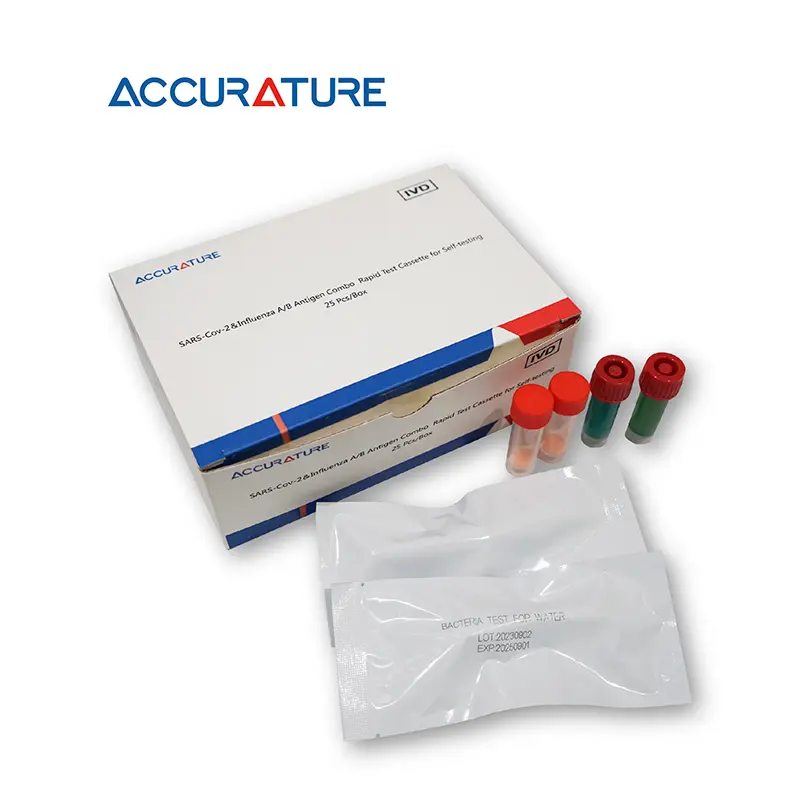
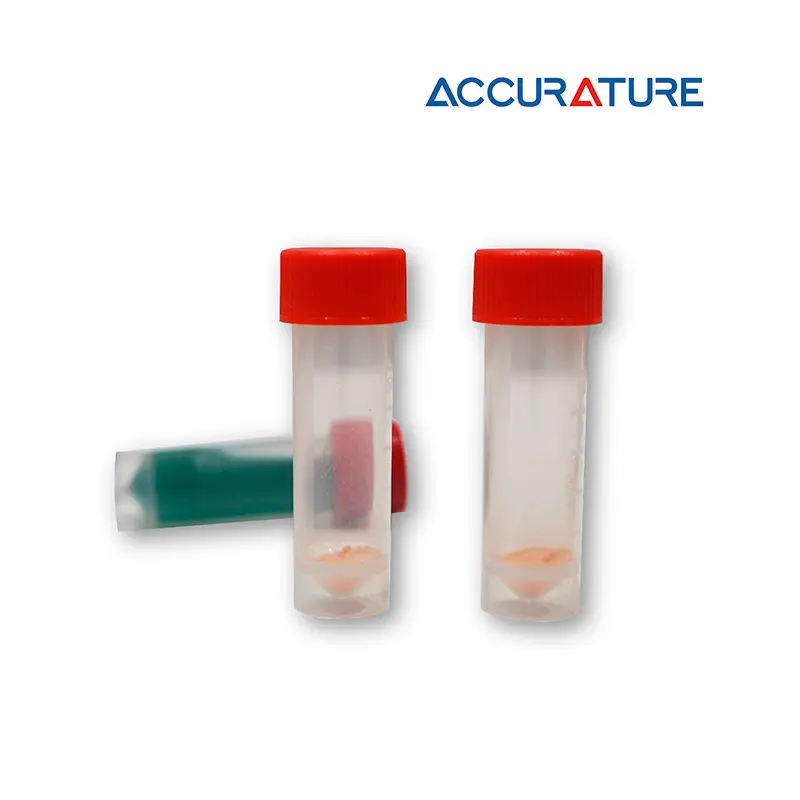
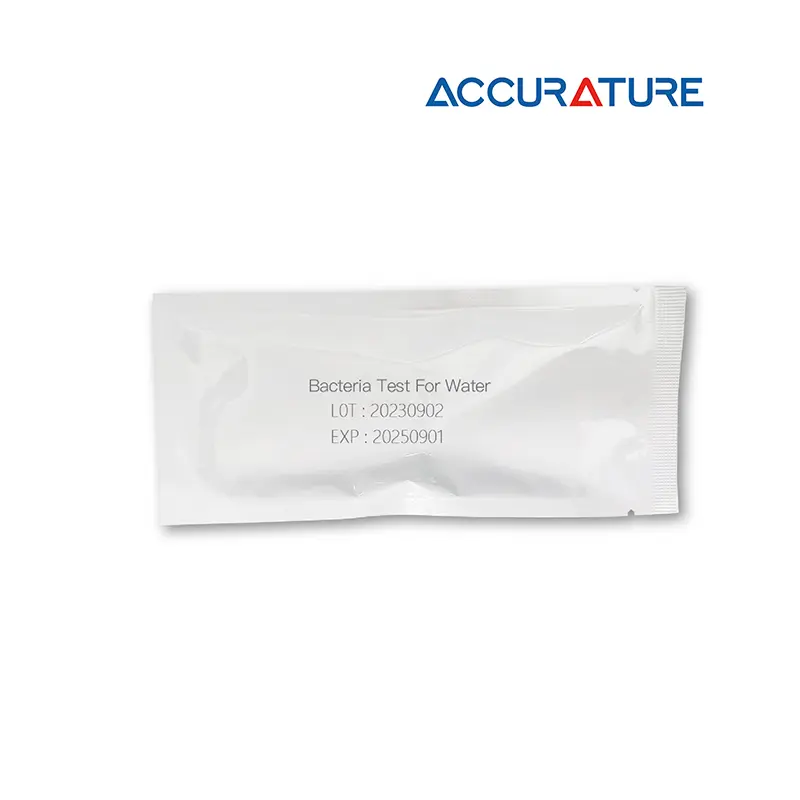
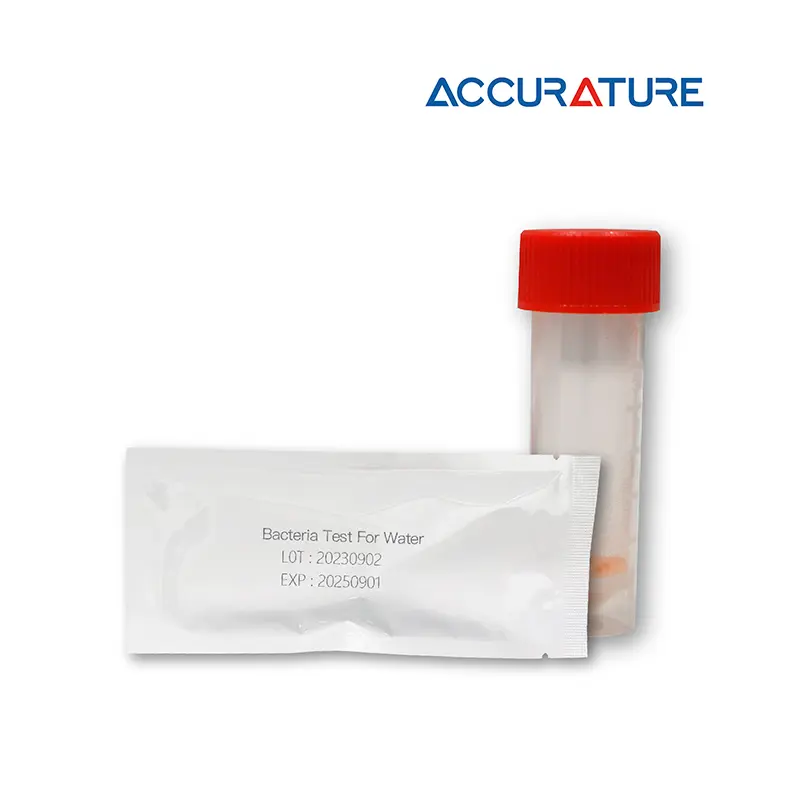
Bacteria Test For Water
Why do we measure E. coli?
Water samples are collected to measure E. coli (Figure 1) to make sure water is safe for public recreation, such as swimming, fishing or canoeing. E. coli is considered an indicator organism, used to identify fecal contamination in freshwater and indicate the possible presence of disease-causing bacteria and viruses (pathogens). Individuals who swim or come in contact with water with elevated levels of E. coli and other fecal indicator organisms are at an increased risk of getting sick because of potential exposure to fecal pathogens. Common symptoms of ingesting a pathogenic strain of E. coli include vomiting and diarrhea. High numbers of E. coli (and other) bacteria may contribute to cloudy water, unpleasant odors, and increased oxygen demand (which may reduce levels of dissolved oxygen in the water). E. coli concentrations may be linked with other parameters such as high total suspended solids (TSS) and turbidity concentrations because the bacteria tend to be found with particles. E. coli concentrations may also be linked with high phosphorus, nitrate, and biological oxygen demand (BOD) concentrations.
What affects E. coli levels?
E. coli is found in the feces of warm-blooded animals. E. coli from humans can reach surface water via wastewater treatment plant effluent, broken or leaky sewer pipes, and failing or poorly sited septic systems. E. coli from animals can enter waterbodies in stormwater runoff from feedlots, manure storage areas, or areas where there is wildlife. Livestock that are allowed to get into or near streams can introduce E. coli directly into surface water.
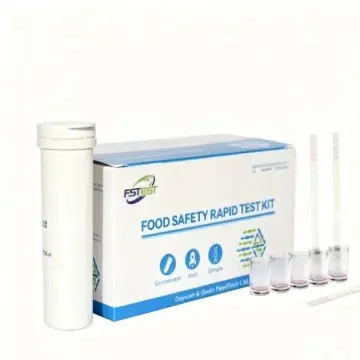
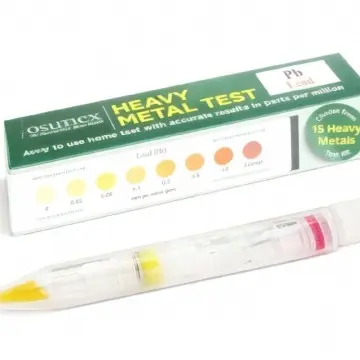
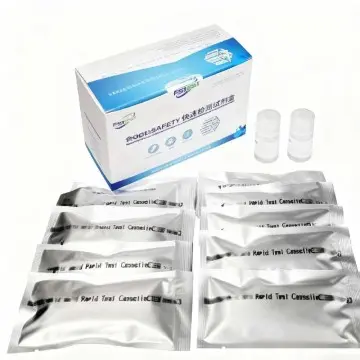
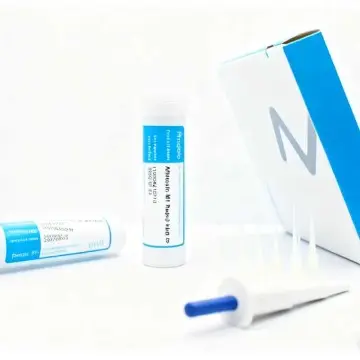
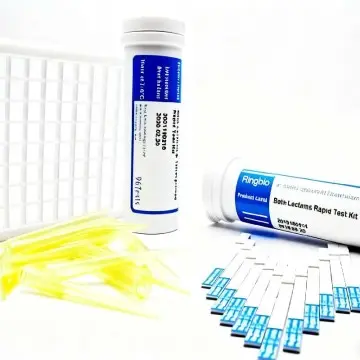
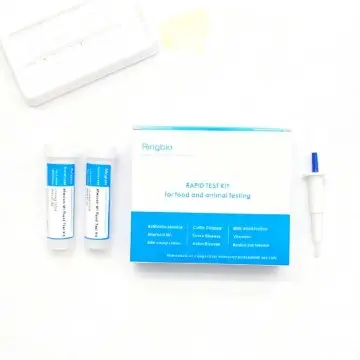
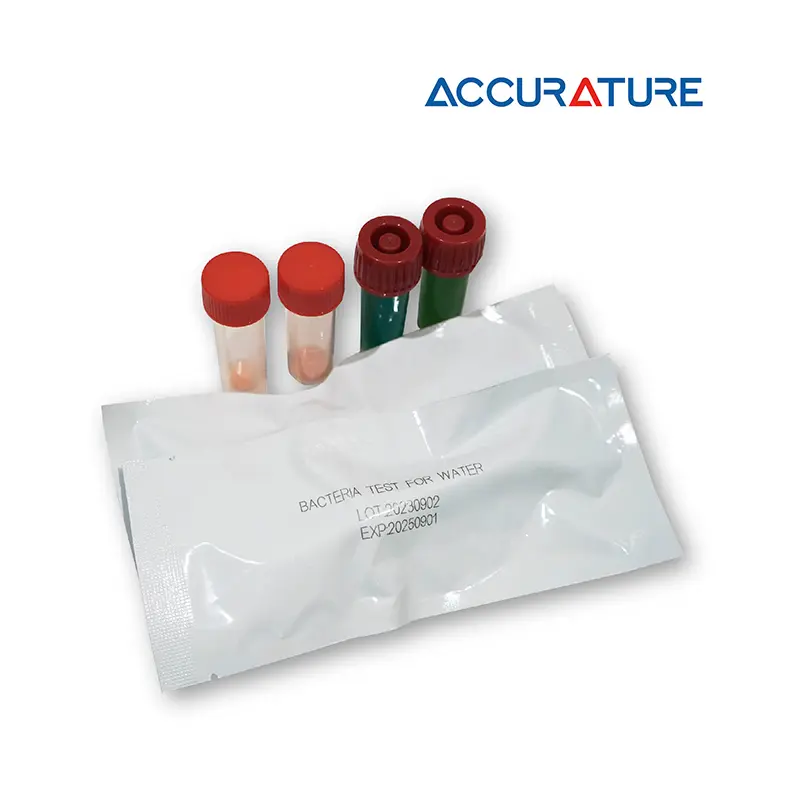
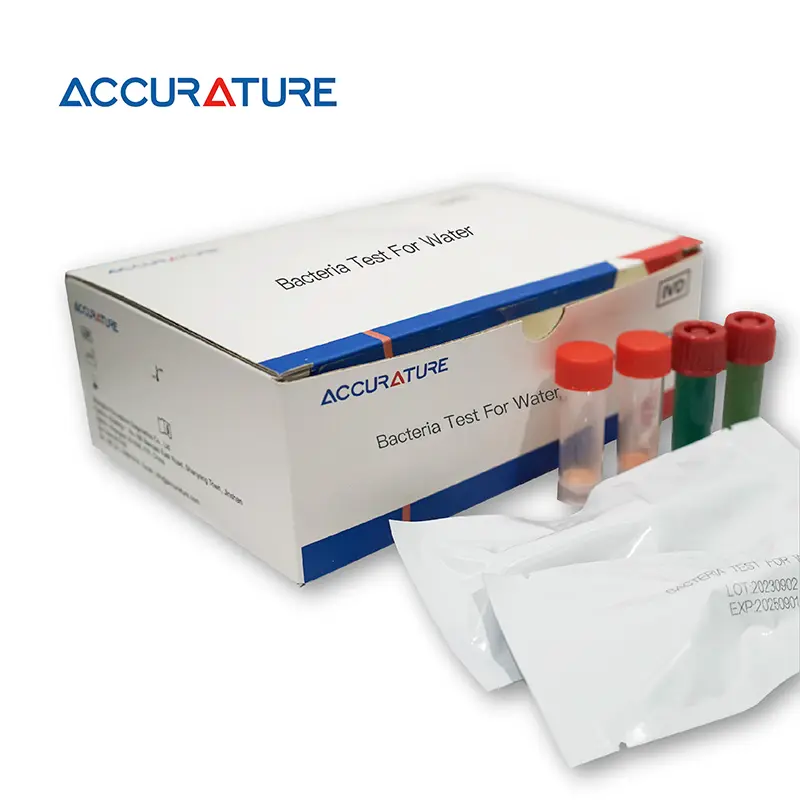
Our test kit sensitivity is 1CFU with accurate result.